
UP elections: ₹5,000 unemployment allowance, 25 lakh government jobs - Can Akhilesh Yadav's promises pass the fiscal test?
The manifesto, titled Sattais Ka Sankalp: PDA Ka Pran Patra, promises two to three crore employment opportunities across other sectors, an immediate farm loan waiver, free electricity and restoration of the Old Pension Scheme (OPS).
- Nov 26, 2026,
- Updated Nov 26, 2026 6:50 PM IST
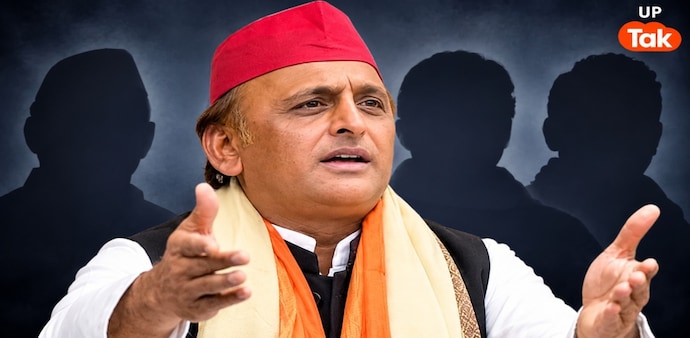
Samajwadi Party (SP) chief Akhilesh Yadav on Thursday unveiled an ambitious employment and welfare agenda ahead of the 2027 Uttar Pradesh Assembly elections, promising 25 lakh government jobs over five years and a monthly unemployment allowance of ₹5,000 for graduates.
While the proposals seek to address unemployment and strengthen household incomes, they also raise questions about additional expenditure, revenue mobilisation and the state's long-term fiscal sustainability.
The manifesto, titled Sattais Ka Sankalp: PDA Ka Pran Patra, also promises two to three crore employment opportunities across other sectors, an immediate farm loan waiver, free electricity and restoration of the Old Pension Scheme (OPS).
How much could the unemployment allowance cost?
Under the proposed unemployment allowance, eligible graduates would receive ₹5,000 every month until they secure employment, translating into an annual financial assistance of ₹60,000 per beneficiary.
The overall expenditure would depend on eligibility criteria, the number of registered unemployed graduates and the duration for which beneficiaries receive assistance.
If 10 lakh graduates qualify, the annual expenditure could reach ₹6,000 crore. With 20 lakh beneficiaries, the financial burden would double to ₹12,000 crore annually.
Over five years, assuming a constant beneficiary base of 20 lakh, the scheme could cost the state ₹60,000 crore.
However, these are illustrative estimates, as the party has not disclosed detailed beneficiary projections or expenditure calculations in the information available.
The cost of creating 25 lakh government jobs
The promise of creating 25 lakh government jobs over five years translates into an average of five lakh recruitments annually.
Assuming an average monthly salary of ₹30,000 per employee, the annual salary expenditure for five lakh additional employees would amount to ₹18,000 crore.
Once all 25 lakh positions are filled, the annual salary bill could reach ₹90,000 crore, assuming these represent additional employees rather than replacements for existing staff.
This excludes allowances, pension liabilities, annual increments, healthcare benefits and administrative expenditure, which could increase the overall financial commitment.
Other welfare commitments
Employment-related expenditure represents only one component of the manifesto's broader financial commitments.
The SP has also proposed a ₹15,000 crore corpus to facilitate timely payments to sugarcane farmers, ₹1.5 lakh crore for rural infrastructure, ₹10 lakh health insurance for BPL families and up to 300 units of free electricity for rural households.
Restoring the Old Pension Scheme could create additional long-term pension liabilities.
Can Uttar Pradesh afford these promises?
The financial viability of these commitments would depend on growth in tax collections, central transfers, expenditure rationalisation and the state's borrowing capacity.
While employment generation and welfare spending could stimulate consumption and economic activity, large recurring commitments could also constrain capital expenditure and widen the fiscal deficit without corresponding revenue growth.
A definitive fiscal assessment would require detailed cost estimates, recruitment plans, beneficiary projections and a credible funding roadmap.