
Target of 100 GW of nuclear energy by 2047, 5 new nuclear reactors to be operational within 6-7 years: PM Modi
He said the government had already taken steps in this direction and had passed the SHANTI Act in Parliament.
- Aug 15, 2026,
- Updated Aug 15, 2026 9:55 AM IST
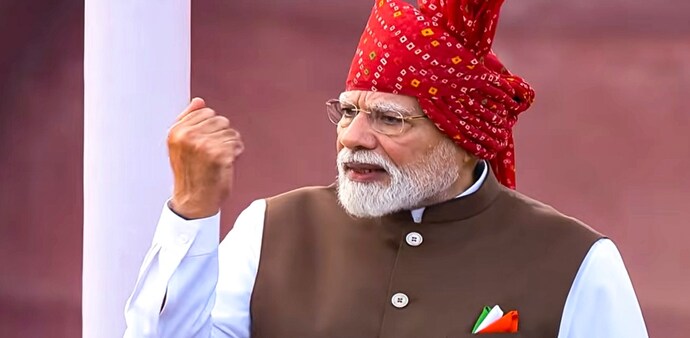
Prime Minister Narendra Modi on Saturday said India was looking forward to producing 100 GW of nuclear energy by 2047, and added that the country was moving ahead with the target of commissioning five new nuclear reactors. In his Independence Day address from the Red Fort, he said India had achieved mastery in Fast Breeder Nuclear Technology this year, calling it a crucial milestone and a major leap towards self-reliance in nuclear fuel.
"We have set a target of 200 GW nuclear energy, setting up five new nuclear reactors," Modi said.
DON'T MISS | 'We'll provide AI skill training to 1 crore youth': PM Modi's big announcement on Independence Day 2026
PFBR at Kalpakkam reaches criticality
Modi said India had taken a step towards becoming self-reliant in the nuclear power sector, with the Prototype Fast Breeder Reactor at Kalpakkam in Tamil Nadu attaining criticality this year. He said nuclear power was an important means of ensuring energy security and placed it at the centre of India’s future energy plans.
He said the government had already taken steps in this direction and had passed the SHANTI Act in Parliament.
“Energy security is today’s need, and that’s why we have already taken steps in this direction. We have passed the SHANTI Act in Parliament and set a target of achieving 100 GW nuclear power by 2047,” he said.
Piped gas and solar expansion highlighted
Modi also highlighted the expansion of piped gas and solar energy infrastructure. He said piped gas coverage had grown from 70 cities before 2014 to 700 cities, while the number of households receiving piped gas had risen from around 20-22 lakh to nearly 1.75 crore.
He said India’s solar energy capacity had increased from 2 GW in 2014 to 160 GW. He added that more than 50 lakh households had adopted solar energy under the PM Surya Ghar: Muft Bijli Yojana, with implementation continuing at a rapid pace.
"Every Indian product must reach the global market—whether it is our textiles, our machinery, or our medicines. We must not miss this opportunity. But we have to meet global parameters. We have to provide products that are better than what the world offers. We have to provide them at a more competitive price," said PM Modi.
Remarks on fuel supplies and global trade
Referring to the West Asia crisis, Modi said there were concerns that India could face shortages of petrol, diesel and LPG. He said the government’s measures had ensured that the country currently faced no shortage of gas, fuel or urea, and added that India had maintained adequate energy supplies during the crisis.
He also said India’s growing self-reliance had helped it withstand pressure during the period of uncertainty. Modi said the world was increasingly recognising India’s capabilities and pointed to the country’s free trade agreements with 40 countries as evidence of its growing global economic standing.
He said every Indian product, including textiles, machinery and medicines, should reach the global market, while stressing the need to meet global parameters.
Prime Minister Narendra Modi on Saturday said India was looking forward to producing 100 GW of nuclear energy by 2047, and added that the country was moving ahead with the target of commissioning five new nuclear reactors. In his Independence Day address from the Red Fort, he said India had achieved mastery in Fast Breeder Nuclear Technology this year, calling it a crucial milestone and a major leap towards self-reliance in nuclear fuel.
"We have set a target of 200 GW nuclear energy, setting up five new nuclear reactors," Modi said.
DON'T MISS | 'We'll provide AI skill training to 1 crore youth': PM Modi's big announcement on Independence Day 2026
PFBR at Kalpakkam reaches criticality
Modi said India had taken a step towards becoming self-reliant in the nuclear power sector, with the Prototype Fast Breeder Reactor at Kalpakkam in Tamil Nadu attaining criticality this year. He said nuclear power was an important means of ensuring energy security and placed it at the centre of India’s future energy plans.
He said the government had already taken steps in this direction and had passed the SHANTI Act in Parliament.
“Energy security is today’s need, and that’s why we have already taken steps in this direction. We have passed the SHANTI Act in Parliament and set a target of achieving 100 GW nuclear power by 2047,” he said.
Piped gas and solar expansion highlighted
Modi also highlighted the expansion of piped gas and solar energy infrastructure. He said piped gas coverage had grown from 70 cities before 2014 to 700 cities, while the number of households receiving piped gas had risen from around 20-22 lakh to nearly 1.75 crore.
He said India’s solar energy capacity had increased from 2 GW in 2014 to 160 GW. He added that more than 50 lakh households had adopted solar energy under the PM Surya Ghar: Muft Bijli Yojana, with implementation continuing at a rapid pace.
"Every Indian product must reach the global market—whether it is our textiles, our machinery, or our medicines. We must not miss this opportunity. But we have to meet global parameters. We have to provide products that are better than what the world offers. We have to provide them at a more competitive price," said PM Modi.
Remarks on fuel supplies and global trade
Referring to the West Asia crisis, Modi said there were concerns that India could face shortages of petrol, diesel and LPG. He said the government’s measures had ensured that the country currently faced no shortage of gas, fuel or urea, and added that India had maintained adequate energy supplies during the crisis.
He also said India’s growing self-reliance had helped it withstand pressure during the period of uncertainty. Modi said the world was increasingly recognising India’s capabilities and pointed to the country’s free trade agreements with 40 countries as evidence of its growing global economic standing.
He said every Indian product, including textiles, machinery and medicines, should reach the global market, while stressing the need to meet global parameters.