
This family's confirmed train berths were taken over. What happened next won them ₹75,000
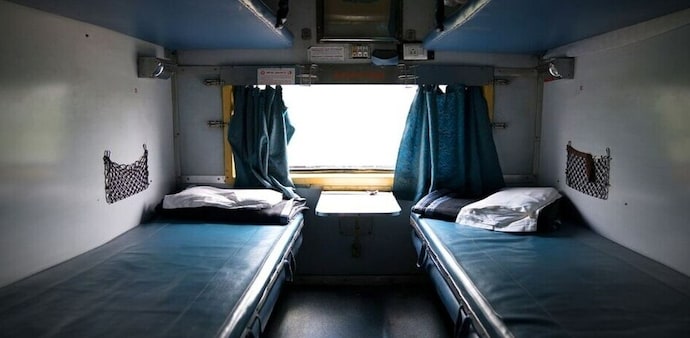
The parents had lower berths in coach S2, while their son had an upper berth in coach S6.
- Aug 28, 2026,
- Updated Aug 28, 2026 5:49 PM IST
A confirmed train ticket gives passengers the right to use the berth they have booked, and the Railways can be held responsible if that right is denied.
A consumer commission has reaffirmed this after ordering the Railways to compensate a family whose reserved berths were occupied by unreserved, waitlisted and ticketless passengers during a journey.
The Palakkad District Consumer Commission directed the Railways to pay ₹50,000 as compensation and ₹25,000 towards litigation costs to the family in Parthasarathi T. vs Ministry of Indian Railways & others, according to a report by Business standard.
The ruling also highlights the importance of keeping evidence such as RailMadad complaints and photographs if passengers face problems during a train journey.
Don't Miss: Nepal flash flood: 85 Indians rescued among 121 foreign travellers
What happened?
Parthasarathi T, his wife Nirmala K T and their son Aditya T P were travelling on the Kanyakumari-Pune Express on December 10, 2023. All three had confirmed sleeper-class tickets.
The parents had lower berths in coach S2, while their son had an upper berth in coach S6. But according to the family, both coaches were overcrowded. They said unreserved, waitlisted and ticketless passengers had occupied reserved berths and were also sitting and sleeping on the floor.
The parents, who are senior citizens, said they could use their lower berths only after repeatedly asking other passengers to move. Their son also had to repeatedly ask passengers to vacate his reserved upper berth.
The overcrowding also made it difficult for the family to move through the coach and use the washroom.
The family lodged a complaint on the RailMadad app at 8.12 pm. Later, they filed another complaint saying coach S6 was packed with unreserved passengers and that the ticket examiner had not checked the coach.
The Railways said its staff had attended to the complaints and removed unauthorised passengers at different stations. However, the commission said the Railways did not produce any evidence, including testimony from the railway staff concerned, to prove that the passengers had actually been removed.
The family also submitted photographs showing the crowded condition inside the coaches. The commission treated these photographs and the RailMadad complaints as important evidence.
Why did the commission rule against the Railways?
The commission said the family did not receive the safe and reasonably comfortable service they were entitled to with a confirmed reservation.
Mathuvanthy Mathavan, partner, Poovayya & Co., said the decision reinforces the principle that consumers are entitled to receive the service they have paid for. “A confirmed reservation carries with it a legitimate expectation of a safe and reasonably comfortable journey,” she said, adding that consumer law can provide accountability where a service provider fails to address a situation that substantially deprives a consumer of the promised service.
B. Shravanth Shanker, managing partner, B. Shanker Advocates LLP, said a reserved berth creates a “legitimate expectation of a safe and comfortable journey”. According to him, issuing a ticket alone does not absolve the Railways of responsibility if unauthorised occupation is not effectively addressed.
Sanya Gangar, associate, PSL Advocates & Solicitors, said the ruling is significant because the family had produced RailMadad complaints and photographs. She said the decision highlights that the Railways must take effective steps to ensure reserved coaches remain accessible to authorised passengers and that complaints are acted upon promptly.
What is "deficiency in service"?
The commission's decision is based on the concept of "deficiency in service" under consumer law.
Samayra Adlakha, advocate, Delhi High Court, said a confirmed reservation amounts to a contractual undertaking to provide usable and exclusive access to the reserved berth.
She said that where a passenger cannot use the accommodation for which they have paid, it can meet the statutory threshold of deficiency under Section 2(11) of the Consumer Protection Act, 2019.
Adlakha also said the commission took into account the hardship faced by the elderly couple while deciding the compensation. Not being able to use a lower berth or move through a crowded coach can have a bigger impact on senior citizens.
Vipul Wadhwa, partner, Singhania & Co., said the case shows why passengers should keep evidence whenever a service fails. He said the family's RailMadad complaints and photographs created a clear record of what happened during the journey.
Supriya Majumdar, partner, Ellara Law Offices, said a confirmed railway ticket is not simply a receipt but represents an obligation to provide the reserved service. She added that overcrowding can also become a safety concern when passengers cannot access clear passages or common facilities, particularly in the case of senior citizens, children and people with health-related vulnerabilities.
What should passengers do?
The ruling shows that passengers should not rely only on verbal complaints if they face such a situation.
They should:
- File a complaint on RailMadad and save the complaint number and screenshots.
- Note the coach number, berth number, train number, date and time of the incident.
- Take photographs or videos of the overcrowding, if it is safe to do so.
- Inform the TTE or railway security staff and note their response, if possible.
- Keep the ticket and payment records safely.
If the problem is not resolved and causes serious inconvenience, passengers can approach the consumer commission with the evidence.
Since the family completed the journey, the commission did not order a refund of the ticket fare. Instead, it awarded ₹50,000 as compensation for the deficiency in service, mental agony and inconvenience, along with ₹25,000 towards litigation costs.
The Railways has been given 45 days to make the payment. If it fails to do so, it will have to pay a solatium of ₹500 for every month or part of a month until the payment is made.
A confirmed train ticket gives passengers the right to use the berth they have booked, and the Railways can be held responsible if that right is denied.
A consumer commission has reaffirmed this after ordering the Railways to compensate a family whose reserved berths were occupied by unreserved, waitlisted and ticketless passengers during a journey.
The Palakkad District Consumer Commission directed the Railways to pay ₹50,000 as compensation and ₹25,000 towards litigation costs to the family in Parthasarathi T. vs Ministry of Indian Railways & others, according to a report by Business standard.
The ruling also highlights the importance of keeping evidence such as RailMadad complaints and photographs if passengers face problems during a train journey.
Don't Miss: Nepal flash flood: 85 Indians rescued among 121 foreign travellers
What happened?
Parthasarathi T, his wife Nirmala K T and their son Aditya T P were travelling on the Kanyakumari-Pune Express on December 10, 2023. All three had confirmed sleeper-class tickets.
The parents had lower berths in coach S2, while their son had an upper berth in coach S6. But according to the family, both coaches were overcrowded. They said unreserved, waitlisted and ticketless passengers had occupied reserved berths and were also sitting and sleeping on the floor.
The parents, who are senior citizens, said they could use their lower berths only after repeatedly asking other passengers to move. Their son also had to repeatedly ask passengers to vacate his reserved upper berth.
The overcrowding also made it difficult for the family to move through the coach and use the washroom.
The family lodged a complaint on the RailMadad app at 8.12 pm. Later, they filed another complaint saying coach S6 was packed with unreserved passengers and that the ticket examiner had not checked the coach.
The Railways said its staff had attended to the complaints and removed unauthorised passengers at different stations. However, the commission said the Railways did not produce any evidence, including testimony from the railway staff concerned, to prove that the passengers had actually been removed.
The family also submitted photographs showing the crowded condition inside the coaches. The commission treated these photographs and the RailMadad complaints as important evidence.
Why did the commission rule against the Railways?
The commission said the family did not receive the safe and reasonably comfortable service they were entitled to with a confirmed reservation.
Mathuvanthy Mathavan, partner, Poovayya & Co., said the decision reinforces the principle that consumers are entitled to receive the service they have paid for. “A confirmed reservation carries with it a legitimate expectation of a safe and reasonably comfortable journey,” she said, adding that consumer law can provide accountability where a service provider fails to address a situation that substantially deprives a consumer of the promised service.
B. Shravanth Shanker, managing partner, B. Shanker Advocates LLP, said a reserved berth creates a “legitimate expectation of a safe and comfortable journey”. According to him, issuing a ticket alone does not absolve the Railways of responsibility if unauthorised occupation is not effectively addressed.
Sanya Gangar, associate, PSL Advocates & Solicitors, said the ruling is significant because the family had produced RailMadad complaints and photographs. She said the decision highlights that the Railways must take effective steps to ensure reserved coaches remain accessible to authorised passengers and that complaints are acted upon promptly.
What is "deficiency in service"?
The commission's decision is based on the concept of "deficiency in service" under consumer law.
Samayra Adlakha, advocate, Delhi High Court, said a confirmed reservation amounts to a contractual undertaking to provide usable and exclusive access to the reserved berth.
She said that where a passenger cannot use the accommodation for which they have paid, it can meet the statutory threshold of deficiency under Section 2(11) of the Consumer Protection Act, 2019.
Adlakha also said the commission took into account the hardship faced by the elderly couple while deciding the compensation. Not being able to use a lower berth or move through a crowded coach can have a bigger impact on senior citizens.
Vipul Wadhwa, partner, Singhania & Co., said the case shows why passengers should keep evidence whenever a service fails. He said the family's RailMadad complaints and photographs created a clear record of what happened during the journey.
Supriya Majumdar, partner, Ellara Law Offices, said a confirmed railway ticket is not simply a receipt but represents an obligation to provide the reserved service. She added that overcrowding can also become a safety concern when passengers cannot access clear passages or common facilities, particularly in the case of senior citizens, children and people with health-related vulnerabilities.
What should passengers do?
The ruling shows that passengers should not rely only on verbal complaints if they face such a situation.
They should:
- File a complaint on RailMadad and save the complaint number and screenshots.
- Note the coach number, berth number, train number, date and time of the incident.
- Take photographs or videos of the overcrowding, if it is safe to do so.
- Inform the TTE or railway security staff and note their response, if possible.
- Keep the ticket and payment records safely.
If the problem is not resolved and causes serious inconvenience, passengers can approach the consumer commission with the evidence.
Since the family completed the journey, the commission did not order a refund of the ticket fare. Instead, it awarded ₹50,000 as compensation for the deficiency in service, mental agony and inconvenience, along with ₹25,000 towards litigation costs.
The Railways has been given 45 days to make the payment. If it fails to do so, it will have to pay a solatium of ₹500 for every month or part of a month until the payment is made.