
Travelling to Gangtok? This ₹994 crore Sikkim highway upgrade could make the journey safer
The project will provide safer, faster and more resilient connectivity to Gangtok and across Sikkim, with tunnels, viaducts, bridges, cut-and-cover sections
- Oct 7, 2026,
- Updated Oct 7, 2026 8:44 PM IST
Travel to Gangtok and other parts of Sikkim could get safer and more resilient after the Centre approved ₹993.64 crore to upgrade a key stretch of NH-10, Road Transport and Highways Minister Nitin Gadkari said on Wednesday.
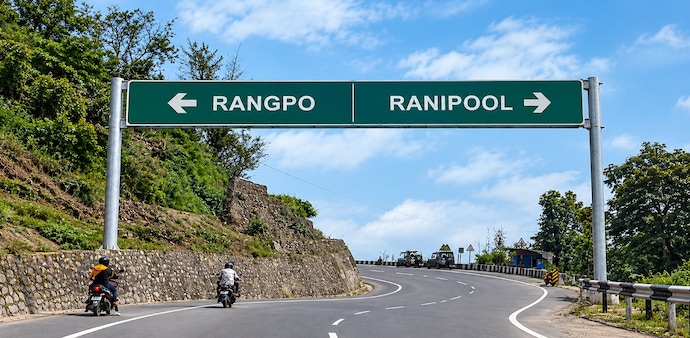
The project will upgrade the Rangpo-Ranipool stretch into a two-lane highway with paved shoulders. It will include tunnels, viaducts and measures to tackle vulnerable sliding and sinking zones.
The road corridor is an important link to Gangtok and other parts of Sikkim.
Tunnels, viaducts to tackle Himalayan terrain
Gadkari said the project has been designed for the challenging Himalayan terrain. It will include tunnels, viaducts, bridges and cut-and-cover sections, along with comprehensive slope-protection measures.
The work is aimed at making the route safer and more resilient while improving connectivity to Gangtok.
The project will also address sections vulnerable to landslides and sinking, Gadkari said.
The upgraded corridor is expected to improve the movement of tourists as well as agricultural and horticultural produce. It will also make it easier to move essential goods across the state.
Beyond civilian connectivity, Gadkari said the project would strengthen strategic connectivity for the movement of defence personnel and supplies. The highway upgrade is also expected to contribute to Sikkim's broader socio-economic development.
In August this year, the Centre approved the construction of a four-lane, access-controlled highway connecting Baihata Chariali near Guwahati to Tezpur in Assam. The 135.871-km project, approved at a total capital cost of ₹8,970.20 crore, is aimed at improving connectivity across Assam and to Arunachal Pradesh.
The corridor is also expected to cut travel time by half and double average travel speeds, while improving road safety, fuel efficiency and vehicle operating costs. It will connect key economic, social, tourism and logistics hubs, including Kaziranga National Park, Orang National Park, major railway stations, airports and waterway terminals.
Travel to Gangtok and other parts of Sikkim could get safer and more resilient after the Centre approved ₹993.64 crore to upgrade a key stretch of NH-10, Road Transport and Highways Minister Nitin Gadkari said on Wednesday.
The project will upgrade the Rangpo-Ranipool stretch into a two-lane highway with paved shoulders. It will include tunnels, viaducts and measures to tackle vulnerable sliding and sinking zones.
The road corridor is an important link to Gangtok and other parts of Sikkim.
Tunnels, viaducts to tackle Himalayan terrain
Gadkari said the project has been designed for the challenging Himalayan terrain. It will include tunnels, viaducts, bridges and cut-and-cover sections, along with comprehensive slope-protection measures.
The work is aimed at making the route safer and more resilient while improving connectivity to Gangtok.
The project will also address sections vulnerable to landslides and sinking, Gadkari said.
The upgraded corridor is expected to improve the movement of tourists as well as agricultural and horticultural produce. It will also make it easier to move essential goods across the state.
Beyond civilian connectivity, Gadkari said the project would strengthen strategic connectivity for the movement of defence personnel and supplies. The highway upgrade is also expected to contribute to Sikkim's broader socio-economic development.
In August this year, the Centre approved the construction of a four-lane, access-controlled highway connecting Baihata Chariali near Guwahati to Tezpur in Assam. The 135.871-km project, approved at a total capital cost of ₹8,970.20 crore, is aimed at improving connectivity across Assam and to Arunachal Pradesh.
The corridor is also expected to cut travel time by half and double average travel speeds, while improving road safety, fuel efficiency and vehicle operating costs. It will connect key economic, social, tourism and logistics hubs, including Kaziranga National Park, Orang National Park, major railway stations, airports and waterway terminals.