
'Upcoming superpower in Indo-Pacific': V4 countries back India’s UN Security Council bid
The Visegrád Group’s foreign ministers backed India’s bid for a permanent UN Security Council seat at their first meeting with New Delhi on the sidelines of the UN General Assembly. The talks also set the stage for annual ministerial meetings and wider cooperation in defence, technology, education and multilateral issues.
- Sep 22, 2026,
- Updated Sep 22, 2026 7:24 AM IST
The four members of the Visegrád Group backed India’s bid for a permanent seat on the UN Security Council at their first foreign ministers’ meeting with India on the sidelines of the UN General Assembly. The support from Poland, Hungary, Slovakia and the Czech Republic came as India continued to press for a bigger role in the UN’s top decision-making body.
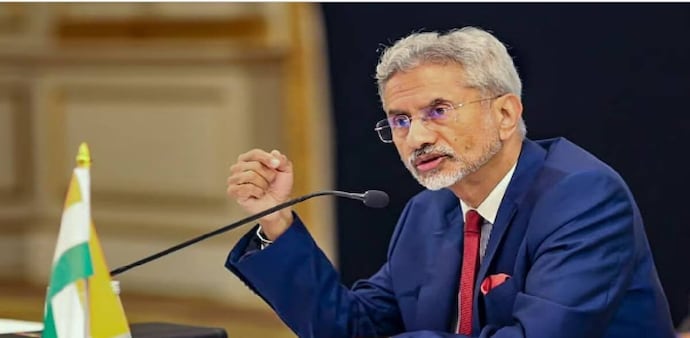
External Affairs Minister S Jaishankar described the first V4-India foreign ministers’ meeting as a "new historic occasion", with both sides agreeing to deepen cooperation across political, economic, technology, defence and people-to-people ties. They also decided to hold annual meetings of their foreign ministers and set up an annual business forum.
V4 backs India’s UNSC bid
Slovak Foreign Minister Juraj Blanár said the four Central European countries were united in supporting India’s bid for a permanent seat on the UN Security Council.
"We all agree as V4 countries that India, as a part of the Global South, an upcoming superpower in the Indo-Pacific region, must be at the table as a permanent member of the UN Security Council," Blanár said after the meeting.
The statement marked clear support from the V4 countries for India’s campaign for permanent membership of the UN Security Council.
India and V4 agree to deepen cooperation
Jaishankar said India and the V4 countries would explore greater cooperation in technology and innovation while also seeking to strengthen existing defence ties.
"We have a very strong history with all the V4 countries in defence. We want to refresh and take forward that record and that cooperation," he said.
The countries agreed to strengthen political, economic, technology, defence and people-to-people ties. The ministers also discussed cooperation in space, connectivity, research, education and cultural exchanges.
Focus on defence, technology and global issues
People-to-people ties were another area of focus, with Jaishankar noting the presence of Indian students across the four countries. The meeting also covered major international developments, including the Ukraine conflict and the situation in the Gulf.
In a post on X, Jaishankar said the countries had agreed on closer political cooperation, deeper economic engagement and stronger partnerships in technology, innovation, research and education. He also said India and the V4 had agreed to reinvigorate defence cooperation and expand cultural and people-to-people relations, while working together to support multilateralism.
The first V4-India foreign ministers’ meeting ended with support from the four countries for India’s UN Security Council bid and an agreement to widen engagement across defence, technology, education, culture and political cooperation.
The four members of the Visegrád Group backed India’s bid for a permanent seat on the UN Security Council at their first foreign ministers’ meeting with India on the sidelines of the UN General Assembly. The support from Poland, Hungary, Slovakia and the Czech Republic came as India continued to press for a bigger role in the UN’s top decision-making body.
External Affairs Minister S Jaishankar described the first V4-India foreign ministers’ meeting as a "new historic occasion", with both sides agreeing to deepen cooperation across political, economic, technology, defence and people-to-people ties. They also decided to hold annual meetings of their foreign ministers and set up an annual business forum.
V4 backs India’s UNSC bid
Slovak Foreign Minister Juraj Blanár said the four Central European countries were united in supporting India’s bid for a permanent seat on the UN Security Council.
"We all agree as V4 countries that India, as a part of the Global South, an upcoming superpower in the Indo-Pacific region, must be at the table as a permanent member of the UN Security Council," Blanár said after the meeting.
The statement marked clear support from the V4 countries for India’s campaign for permanent membership of the UN Security Council.
India and V4 agree to deepen cooperation
Jaishankar said India and the V4 countries would explore greater cooperation in technology and innovation while also seeking to strengthen existing defence ties.
"We have a very strong history with all the V4 countries in defence. We want to refresh and take forward that record and that cooperation," he said.
The countries agreed to strengthen political, economic, technology, defence and people-to-people ties. The ministers also discussed cooperation in space, connectivity, research, education and cultural exchanges.
Focus on defence, technology and global issues
People-to-people ties were another area of focus, with Jaishankar noting the presence of Indian students across the four countries. The meeting also covered major international developments, including the Ukraine conflict and the situation in the Gulf.
In a post on X, Jaishankar said the countries had agreed on closer political cooperation, deeper economic engagement and stronger partnerships in technology, innovation, research and education. He also said India and the V4 had agreed to reinvigorate defence cooperation and expand cultural and people-to-people relations, while working together to support multilateralism.
The first V4-India foreign ministers’ meeting ended with support from the four countries for India’s UN Security Council bid and an agreement to widen engagement across defence, technology, education, culture and political cooperation.