
US Senate passes Russia sanctions bill: Why India could face 100% tariffs under Trump
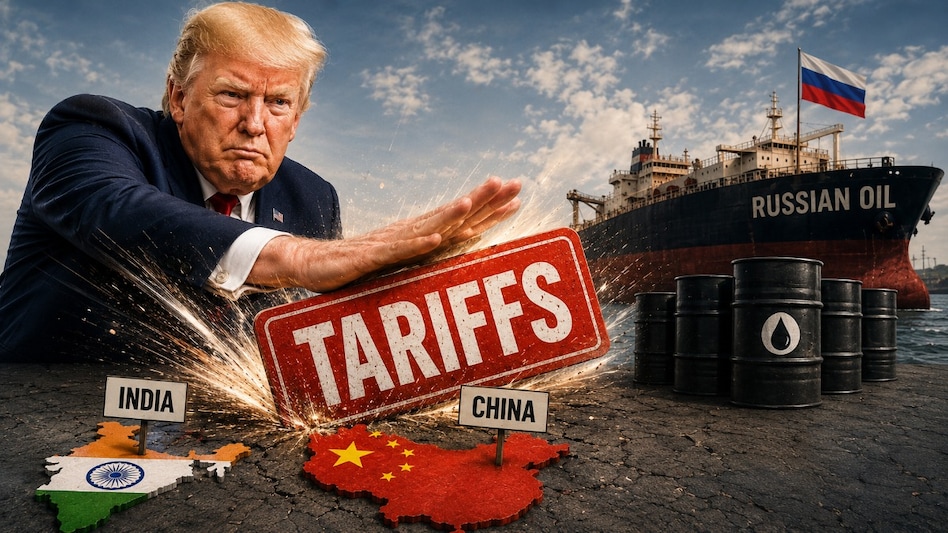
The bill gives President Donald Trump broad powers to impose tariffs of up to 100 per cent on goods from countries that rank among the top five importers of Russian oil and gas.
- Aug 8, 2026,
- Updated Aug 8, 2026 7:33 AM IST
The US Senate has passed a bipartisan bill that could hit countries buying Russian oil and gas with tariffs of up to 100%, putting major buyers such as India and China in the spotlight. The legislation, passed 86-11, has been renamed the Lindsey O. Graham Sanctioning Russia and Iran Act of 2026 in honour of Republican Senator Lindsey Graham. It now heads to the US House of Representatives, which reconvenes on August 31.
The bill gives President Donald Trump broad powers to impose tariffs of up to 100 per cent on goods from countries that rank among the top five importers of Russian oil and gas.
Which countries could face 100% US tariffs?
The legislation currently covers China, India, Azerbaijan, Hungary and Slovakia, which are among the biggest buyers of Russian oil and gas.
However, tariffs would not be automatic. The bill gives Trump the discretion to impose, waive, delay or modify the penalties based on US national interests.
The Senate-approved version is also less aggressive than earlier proposals, which had called for tariffs of up to 500 per cent on goods from countries buying Russian energy.
Why is the US targeting Russian oil buyers?
Washington argues that continued purchases of Russian energy help Moscow generate revenue and sustain its war in Ukraine.
Besides targeting countries buying Russian energy, the bill proposes sanctions against Russian leaders, officials, oligarchs and financial institutions.
It also extends the Iran Sanctions Act of 1996 until 2031 and expands measures targeting Iran's energy, shipping and financial sectors.
Why is the bill named after Lindsey Graham?
The legislation was championed by Graham and Democratic Senator Richard Blumenthal. Graham died suddenly on July 11 after a trip to Kyiv, prompting lawmakers from both parties to push forward with the bill as a tribute to his support for Ukraine.
Darline Graham, the late senator's sister who was appointed to his seat, said, "This bill forces those primary countries keeping Russia's economy afloat to make a simple yet critical choice – a choice between doing business with America or buying cheap Russian energy."
After the vote, Blumenthal said Graham would be "proud of what we've done", adding, "These sledgehammer sanctions and tariffs will stop all who are complicit in this murderous, criminal war of aggression against brave free people."
Why are some US lawmakers opposing it?
Some Democrats have raised concerns over the tariff powers the legislation could give Trump.
Democratic Congressmen Gregory Meeks and Don Beyer said the bill creates "sweeping new tariff authorities that the president could weaponise with abandon, as he has repeatedly done in the past".
They added, "We welcome our Senate colleagues' urgent effort to support Ukraine and punish Russia for its continued illegal war, but this bill would not achieve those goals. Instead, it would allow President Trump to dodge holding Russia accountable and impose yet more tariffs in his destructive trade wars, leaving Americans to foot the bill."
What does the bill mean for India?
India is likely to be closely watched because it has become one of the world's biggest buyers of discounted Russian crude since the Russia-Ukraine war began in 2022.
But India would not automatically face a 100% tariff if the bill becomes law. Trump would have the power to decide whether and how the penalties are imposed.
Any decision could also be influenced by the broader India-US strategic relationship, including defence, technology, Indo-Pacific cooperation and efforts to counter China's growing influence.
If tariffs are imposed, however, the impact could be significant for Indian exporters. Engineering goods, pharmaceuticals, chemicals, textiles and auto components could all come under pressure.
The legislation could also add another layer of uncertainty to India-US trade ties and increase pressure on New Delhi to diversify its energy imports away from Russia.
The bill now moves to the House of Representatives. If approved, it could become a major US economic pressure tool against Russia and Iran — while putting countries such as India and China in an increasingly difficult position over their Russian energy purchases.
The US Senate has passed a bipartisan bill that could hit countries buying Russian oil and gas with tariffs of up to 100%, putting major buyers such as India and China in the spotlight. The legislation, passed 86-11, has been renamed the Lindsey O. Graham Sanctioning Russia and Iran Act of 2026 in honour of Republican Senator Lindsey Graham. It now heads to the US House of Representatives, which reconvenes on August 31.
The bill gives President Donald Trump broad powers to impose tariffs of up to 100 per cent on goods from countries that rank among the top five importers of Russian oil and gas.
Which countries could face 100% US tariffs?
The legislation currently covers China, India, Azerbaijan, Hungary and Slovakia, which are among the biggest buyers of Russian oil and gas.
However, tariffs would not be automatic. The bill gives Trump the discretion to impose, waive, delay or modify the penalties based on US national interests.
The Senate-approved version is also less aggressive than earlier proposals, which had called for tariffs of up to 500 per cent on goods from countries buying Russian energy.
Why is the US targeting Russian oil buyers?
Washington argues that continued purchases of Russian energy help Moscow generate revenue and sustain its war in Ukraine.
Besides targeting countries buying Russian energy, the bill proposes sanctions against Russian leaders, officials, oligarchs and financial institutions.
It also extends the Iran Sanctions Act of 1996 until 2031 and expands measures targeting Iran's energy, shipping and financial sectors.
Why is the bill named after Lindsey Graham?
The legislation was championed by Graham and Democratic Senator Richard Blumenthal. Graham died suddenly on July 11 after a trip to Kyiv, prompting lawmakers from both parties to push forward with the bill as a tribute to his support for Ukraine.
Darline Graham, the late senator's sister who was appointed to his seat, said, "This bill forces those primary countries keeping Russia's economy afloat to make a simple yet critical choice – a choice between doing business with America or buying cheap Russian energy."
After the vote, Blumenthal said Graham would be "proud of what we've done", adding, "These sledgehammer sanctions and tariffs will stop all who are complicit in this murderous, criminal war of aggression against brave free people."
Why are some US lawmakers opposing it?
Some Democrats have raised concerns over the tariff powers the legislation could give Trump.
Democratic Congressmen Gregory Meeks and Don Beyer said the bill creates "sweeping new tariff authorities that the president could weaponise with abandon, as he has repeatedly done in the past".
They added, "We welcome our Senate colleagues' urgent effort to support Ukraine and punish Russia for its continued illegal war, but this bill would not achieve those goals. Instead, it would allow President Trump to dodge holding Russia accountable and impose yet more tariffs in his destructive trade wars, leaving Americans to foot the bill."
What does the bill mean for India?
India is likely to be closely watched because it has become one of the world's biggest buyers of discounted Russian crude since the Russia-Ukraine war began in 2022.
But India would not automatically face a 100% tariff if the bill becomes law. Trump would have the power to decide whether and how the penalties are imposed.
Any decision could also be influenced by the broader India-US strategic relationship, including defence, technology, Indo-Pacific cooperation and efforts to counter China's growing influence.
If tariffs are imposed, however, the impact could be significant for Indian exporters. Engineering goods, pharmaceuticals, chemicals, textiles and auto components could all come under pressure.
The legislation could also add another layer of uncertainty to India-US trade ties and increase pressure on New Delhi to diversify its energy imports away from Russia.
The bill now moves to the House of Representatives. If approved, it could become a major US economic pressure tool against Russia and Iran — while putting countries such as India and China in an increasingly difficult position over their Russian energy purchases.