
‘Were let down miserably…’: Piyush Goyal says no country was willing to help during COVID crisis
Piyush Goyal said India was the only country that helped others in some sense, while every other country looked after themselves.
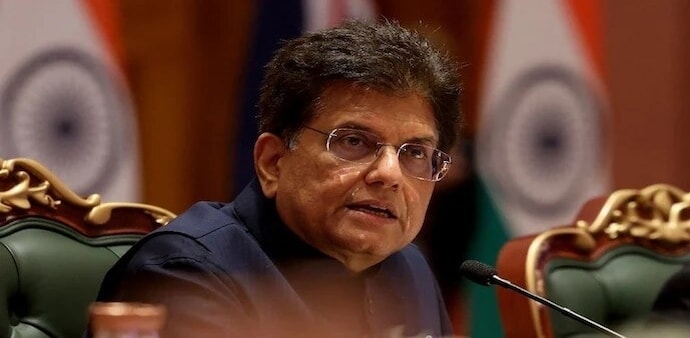
- Oct 14, 2026,
- Updated Oct 14, 2026 11:23 AM IST
India sought help from other countries during the COVID-19 pandemic but was “let down miserably”, said Union Minister Piyush Goyal, adding that this pushed India to become self-reliant or atmanirbhar.
During a discussion at the Bloomberg New Economy Forum in New Delhi, Goyal said, "During COVID-19, we recognised the vulnerabilities that a country like India, with a population of 1.4 billion, faces when global supply chains are disrupted. We did not get adequate materials to meet our needs. Whenever we placed orders for personal protective equipment, COVID kits or vaccines, we were let down miserably. By all countries. When we needed vaccines from Pfizer and Moderna, Western countries refused to provide them. They refused to make an application to get the vaccines to the Indian market. We were ready to waive off every condition.”
He said India was the only country that helped others in some sense, while every other country looked after themselves. “We provided medicines to whoever needed it, we provided food grains, even free of charge, to over 100 countries. We provided vaccines to over a hundred countries,” said the minister.
Goyal said India continued its efforts to be part of the globe but was let down by most countries, which prompted Prime Minister Narendra Modi to give the clarion call for Atmanirbhar Bharat.
The minister said India is willing to engage with its international partners but trust is the critical element. India is looking to build trusted partnerships in which countries can rely on one another as part of the integrated supply chains, he added.
“Our approach is to strike a balance between efficiency through partnerships with trusted countries and self-sufficiency in critical sectors,” he said.
India entered a preferential trade agreement with 38 developed nations in the past four to four-and-half years. “Our objective is to open India's markets to the world while ensuring that other markets are equally accessible to Indian businesses,” he said, adding that India is negotiating with Canada, Mexico, other Gulf Cooperation Council countries, the Southern African Development Community, Mercosur, Eurasia and several other partners. “Our objective is to increase this coverage to approximately $85 trillion out of a global GDP of $115 trillion,” he said.
India sought help from other countries during the COVID-19 pandemic but was “let down miserably”, said Union Minister Piyush Goyal, adding that this pushed India to become self-reliant or atmanirbhar.
During a discussion at the Bloomberg New Economy Forum in New Delhi, Goyal said, "During COVID-19, we recognised the vulnerabilities that a country like India, with a population of 1.4 billion, faces when global supply chains are disrupted. We did not get adequate materials to meet our needs. Whenever we placed orders for personal protective equipment, COVID kits or vaccines, we were let down miserably. By all countries. When we needed vaccines from Pfizer and Moderna, Western countries refused to provide them. They refused to make an application to get the vaccines to the Indian market. We were ready to waive off every condition.”
He said India was the only country that helped others in some sense, while every other country looked after themselves. “We provided medicines to whoever needed it, we provided food grains, even free of charge, to over 100 countries. We provided vaccines to over a hundred countries,” said the minister.
Goyal said India continued its efforts to be part of the globe but was let down by most countries, which prompted Prime Minister Narendra Modi to give the clarion call for Atmanirbhar Bharat.
The minister said India is willing to engage with its international partners but trust is the critical element. India is looking to build trusted partnerships in which countries can rely on one another as part of the integrated supply chains, he added.
“Our approach is to strike a balance between efficiency through partnerships with trusted countries and self-sufficiency in critical sectors,” he said.
India entered a preferential trade agreement with 38 developed nations in the past four to four-and-half years. “Our objective is to open India's markets to the world while ensuring that other markets are equally accessible to Indian businesses,” he said, adding that India is negotiating with Canada, Mexico, other Gulf Cooperation Council countries, the Southern African Development Community, Mercosur, Eurasia and several other partners. “Our objective is to increase this coverage to approximately $85 trillion out of a global GDP of $115 trillion,” he said.