
Who was T N Seshan? Former CEC trending amid SIR row; check his key role in transforming Indian polls
Seshan's name has resurfaced amid the ongoing controversy surrounding Chief Election Commissioner Gyanesh Kumar and the Special Intensive Revision (SIR) of electoral rolls
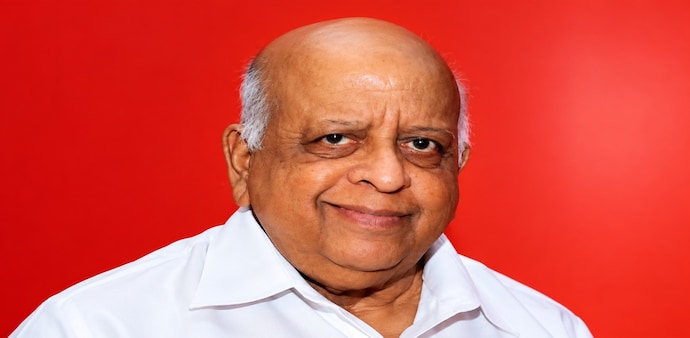
- Sep 24, 2026,
- Updated Sep 24, 2026 8:10 PM IST
Tirunellai Narayana Iyer Seshan, known as T.N. Seshan, served as the 10th Chief Election Commissioner (CEC) of India from December 12, 1990, to December 11, 1996. His tenure is widely remembered as a turning point for the Election Commission of India (ECI), particularly for the way electoral rules were enforced.
Seshan's name has resurfaced amid the ongoing controversy surrounding Chief Election Commissioner Gyanesh Kumar and the Special Intensive Revision (SIR) of electoral rolls.
READ THIS: Opposition may move impeachment motion against Gyanesh Kumar: Here's how CEC can be removed
Why is T.N. Seshan trending now?
The renewed focus on Seshan comes amid questions surrounding the Election Commission's handling of electoral-roll revisions. Reports have alleged that Election Commissioners Sukhbir Singh Sandhu and Vivek Joshi raised objections on several occasions over decisions concerning electoral rolls and related procedures, reported by India Today.
The Election Commission has rejected the characterisation of its functioning as unilateral, maintaining that decisions are taken unanimously. The controversy has also acquired a political dimension, with Opposition parties demanding action against Gyanesh Kumar and reports of discussions over a possible impeachment motion.
5 major changes T.N. Seshan brought to Indian elections
1. Strict enforcement of Model Code of Conduct
Seshan is widely credited with turning the Model Code of Conduct (MCC) into a much more visible instrument of electoral discipline. During his tenure, the Election Commission acted against practices such as:
- Distribution of liquor during elections
- Bribery and inducement of voters
- Misuse of government machinery
- Use of religion in campaign speeches
- Defacement of public property
- Other campaign-related violations
His significance lay largely in enforcing existing electoral rules more aggressively rather than simply creating new regulations.
2. Push for voter ID cards
Seshan strongly pushed for photo identity cards for voters, now commonly known as Voter ID cards or EPICs.
The exercise faced significant logistical challenges because of India's enormous electorate. However, voter identification became a major electoral priority, particularly to address impersonation and fraudulent voting.
DON'T MISS: 'If Gyanesh Kumar doesn't resign in 48 hours...': CJP's Abhijeet Dipke warns of nationwide protest
3. Greater scrutiny of election expenditure
Election expenditure limits existed before Seshan, but his tenure saw greater emphasis on compliance.
The Election Commission increased scrutiny of campaign spending and sought to ensure that candidates adhered to prescribed expenditure limits.
4. Stronger election monitoring
Seshan strengthened the Commission's monitoring mechanisms, including the deployment and use of election observers.
This expanded the ECI's role beyond simply organising polling and counting votes. It reinforced the idea that the Commission could actively monitor campaign conduct and enforce electoral rules.
5. Assertive use of Article 324
Perhaps Seshan's most enduring contribution was institutional. He interpreted the Election Commission's constitutional powers under Article 324 assertively.
His tenure helped establish the perception of the ECI as an institution capable of exercising significant authority over political parties and candidates.
Seshan's biggest battle: Fight over Election Commissioners
Seshan's tenure also witnessed a major institutional confrontation. In 1993, the government appointed M.S. Gill and G.V.G. Krishnamurthy as Election Commissioners, converting the Commission into a multi-member body. Seshan challenged the move, arguing that it diluted the authority of the CEC.
The matter eventually reached the Supreme Court. In its 1995 judgment, the court held that Article 324 envisages a multi-member Election Commission and recognised Election Commissioners as full members of the constitutional body.
The judgment established an important principle: the Election Commission functions as a collective body, with the CEC serving as its chairman rather than possessing an automatic overriding authority over the other Election Commissioners.
ALSO READ: 'All decisions taken unanimously': Election Commission denies dissent report on SIR
Why does Seshan's legacy matter today?
Seshan's tenure continues to be invoked whenever questions arise about the Election Commission's independence, authority and functioning.
In 2022, the Supreme Court also referred to Seshan while discussing the qualities required in a Chief Election Commissioner, observing that a CEC with strong character was needed and that someone like Seshan "happens once in a while."
Tirunellai Narayana Iyer Seshan, known as T.N. Seshan, served as the 10th Chief Election Commissioner (CEC) of India from December 12, 1990, to December 11, 1996. His tenure is widely remembered as a turning point for the Election Commission of India (ECI), particularly for the way electoral rules were enforced.
Seshan's name has resurfaced amid the ongoing controversy surrounding Chief Election Commissioner Gyanesh Kumar and the Special Intensive Revision (SIR) of electoral rolls.
READ THIS: Opposition may move impeachment motion against Gyanesh Kumar: Here's how CEC can be removed
Why is T.N. Seshan trending now?
The renewed focus on Seshan comes amid questions surrounding the Election Commission's handling of electoral-roll revisions. Reports have alleged that Election Commissioners Sukhbir Singh Sandhu and Vivek Joshi raised objections on several occasions over decisions concerning electoral rolls and related procedures, reported by India Today.
The Election Commission has rejected the characterisation of its functioning as unilateral, maintaining that decisions are taken unanimously. The controversy has also acquired a political dimension, with Opposition parties demanding action against Gyanesh Kumar and reports of discussions over a possible impeachment motion.
5 major changes T.N. Seshan brought to Indian elections
1. Strict enforcement of Model Code of Conduct
Seshan is widely credited with turning the Model Code of Conduct (MCC) into a much more visible instrument of electoral discipline. During his tenure, the Election Commission acted against practices such as:
- Distribution of liquor during elections
- Bribery and inducement of voters
- Misuse of government machinery
- Use of religion in campaign speeches
- Defacement of public property
- Other campaign-related violations
His significance lay largely in enforcing existing electoral rules more aggressively rather than simply creating new regulations.
2. Push for voter ID cards
Seshan strongly pushed for photo identity cards for voters, now commonly known as Voter ID cards or EPICs.
The exercise faced significant logistical challenges because of India's enormous electorate. However, voter identification became a major electoral priority, particularly to address impersonation and fraudulent voting.
DON'T MISS: 'If Gyanesh Kumar doesn't resign in 48 hours...': CJP's Abhijeet Dipke warns of nationwide protest
3. Greater scrutiny of election expenditure
Election expenditure limits existed before Seshan, but his tenure saw greater emphasis on compliance.
The Election Commission increased scrutiny of campaign spending and sought to ensure that candidates adhered to prescribed expenditure limits.
4. Stronger election monitoring
Seshan strengthened the Commission's monitoring mechanisms, including the deployment and use of election observers.
This expanded the ECI's role beyond simply organising polling and counting votes. It reinforced the idea that the Commission could actively monitor campaign conduct and enforce electoral rules.
5. Assertive use of Article 324
Perhaps Seshan's most enduring contribution was institutional. He interpreted the Election Commission's constitutional powers under Article 324 assertively.
His tenure helped establish the perception of the ECI as an institution capable of exercising significant authority over political parties and candidates.
Seshan's biggest battle: Fight over Election Commissioners
Seshan's tenure also witnessed a major institutional confrontation. In 1993, the government appointed M.S. Gill and G.V.G. Krishnamurthy as Election Commissioners, converting the Commission into a multi-member body. Seshan challenged the move, arguing that it diluted the authority of the CEC.
The matter eventually reached the Supreme Court. In its 1995 judgment, the court held that Article 324 envisages a multi-member Election Commission and recognised Election Commissioners as full members of the constitutional body.
The judgment established an important principle: the Election Commission functions as a collective body, with the CEC serving as its chairman rather than possessing an automatic overriding authority over the other Election Commissioners.
ALSO READ: 'All decisions taken unanimously': Election Commission denies dissent report on SIR
Why does Seshan's legacy matter today?
Seshan's tenure continues to be invoked whenever questions arise about the Election Commission's independence, authority and functioning.
In 2022, the Supreme Court also referred to Seshan while discussing the qualities required in a Chief Election Commissioner, observing that a CEC with strong character was needed and that someone like Seshan "happens once in a while."