
Here’s why ChrysCapital expects 20-25% of the latest $2.2-billion fund to go to pharma, healthcare
PE firm expands into selective control deals as it looks for opportunities in domestic formulations and API/CDMO
- Sep 22, 2026,
- Updated Sep 22, 2026 4:36 PM IST
ChrysCapital expects pharma and healthcare to account for around 20-25% of its latest $2.2-billion private equity fund, translating into an indicative allocation of about $440-550 million. The firm is also expanding its pharma strategy to include selective control investments while continuing to pursue minority deals.
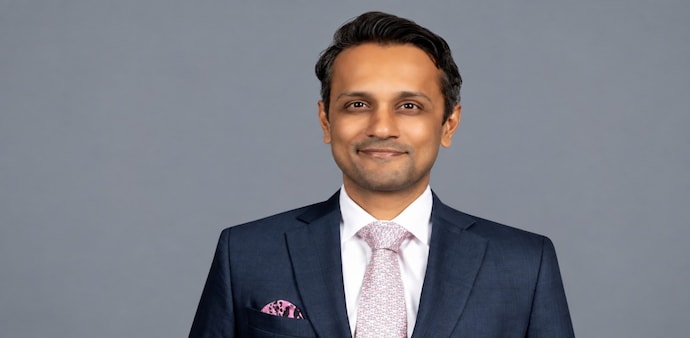
"ChrysCapital has historically been overweight on pharma and healthcare, and the two sectors are expected to remain an important area of focus going forward," Kshitij Sheth, Managing Director at ChrysCapital, told Business Today.
India's domestic pharmaceutical market was valued at around $60 billion in FY26 and is projected to reach $130 billion by 2030, according to the India Brand Equity Foundation (IBEF).
ChrysCapital's recent acquisition of a majority stake in Novartis India marks its move into control investing in pharma, after years of taking minority positions in domestic formulation companies.
"One has gone through that journey from minority investing with a focus on the top line, to still minority investing with a greater focus on M&A and margins, to now, with the latest investment in Novartis India, also moving into control deals," Sheth said.
"The fund is certainly not going to move exclusively into control deals and will strive to find a balance between minority and control deals in pharma," Sheth said.
Why Novartis India
Novartis India was relatively small by ChrysCapital's usual standards. Sheth said the firm would typically look for a revenue base of around ₹1,000 crore.
"It was a bit small. You typically want about a ₹1,000 crore revenue base in any company to feel like you have a stable, steady business. Revenues here were about ₹450 crore," he said.
The attraction was its brand portfolio and scope for growth. Novartis India had five or six brands generating more than ₹30 crore each, with most ranking among the top two in their categories.
"ChrysCapital took a bit of a call, saying that it was a good starting point, and the business could add on top of it through inorganic opportunities along the way. Organic growth can also be pretty solid," Sheth said.
The company is now restructuring its operations. Its brands had largely been licensed to other pharmaceutical companies, which handled sales and distribution. Under the new model, Novartis India will build its own sales force and distribution network.
"The business is now transitioning to take all of that in-house. There is some restructuring underway, following which the company will have their own sales force, its own distribution team, and will take it forward to try and unlock the potential that all these brands have," Sheth said.
Novartis India has also acquired Pfizer's Minipress brand, giving it an entry into cardio-diabetes, and taken two ophthalmology brands from Novartis Global under a licensing arrangement.
Where ChrysCapital sees value
Sheth estimates that annual PE investment in Indian pharma has risen from around $800-900 million to $1.2-1.3 billion over the past two to three years.
"Pharma has actually been a little bit underrepresented as far as private equity is concerned. Typically, you see only about a billion dollars or so of PE capital going into pharma every year. That's been the average over the last seven to eight years."
Separate EY data shows that the broader PE/VC market has invested $16.4 billion across 303 deals in Indian pharmaceuticals and medical devices since 2016, with 62% of that investment, or $10.2 billion across 201 deals, coming in the five years since 2021.
Around 60% of recent pharma investments have gone into API and CDMO businesses, according to Sheth. "API/CDMO is where a lot of the growth has come from," Sheth said, pointing to Indian companies gaining global pharmaceutical customers, chemistry capabilities and infrastructure support. The firm's core area of interest remains domestic formulations, particularly companies focused on chronic therapies.
The firm is more cautious about export formulations, particularly businesses dependent on the US generic market. Price erosion, US FDA inspections, and tariffs are among the risks.
"Specifically, the US export story, that's the one among these buckets that the fund is most careful about. There is regulatory risk, both in terms of tariffs as well as the US FDA. So, it can be a hit-or-miss segment," Sheth said. API businesses, meanwhile, have gone through a difficult pricing cycle after initially benefiting from the China Plus One opportunity.
"Initially, that did result in Indian API companies gaining a bit of market share. But again, it is a cyclical global cycle of API pricing that has been playing out over the last couple of years. Performance has been a bit tepid on the API side," Sheth said. "You are seeing some green shoots this year again."
Consolidation creates more deal opportunities
ChrysCapital also expects consolidation in pharma to continue. Sheth pointed to acquisitions by companies such as Sun Pharma, Torrent Pharma, Mankind Pharma, and Eris Lifesciences.
India's pharma market remains fragmented, with Sun Pharma, the largest player, accounting for around 9% of the market. Another source of transactions could be family-owned pharma companies where the next generation is not interested in running the business.
"A lot of those founders and entrepreneurs who have been running their businesses for 30-40 years are thinking, perhaps it's better to sell than to continue to run this," Sheth said." This consolidation will continue. It's not going to be drastic, but it will slowly continue to consolidate over time," he said.
Sheth said pharma companies had historically grown at around 15-16%, while growth has come down to around 9-10%. "One can no longer afford to be passive in these investments," Sheth said. "Apart from growth, one also has to focus on inorganic growth, which is through mergers and M&A, and also one has to focus on margin improvement."
Valuations are another area where ChrysCapital sees opportunities. The firm is looking for businesses with strong underlying capabilities where valuations have not risen to the levels commanded by the top-performing companies.
"So, the firm's focus is on companies that have inherently strong capabilities, but for whatever reason, the market is not in love with them, and their valuations aren't through the roof," Sheth said.
ChrysCapital expects pharma and healthcare to account for around 20-25% of its latest $2.2-billion private equity fund, translating into an indicative allocation of about $440-550 million. The firm is also expanding its pharma strategy to include selective control investments while continuing to pursue minority deals.
"ChrysCapital has historically been overweight on pharma and healthcare, and the two sectors are expected to remain an important area of focus going forward," Kshitij Sheth, Managing Director at ChrysCapital, told Business Today.
India's domestic pharmaceutical market was valued at around $60 billion in FY26 and is projected to reach $130 billion by 2030, according to the India Brand Equity Foundation (IBEF).
ChrysCapital's recent acquisition of a majority stake in Novartis India marks its move into control investing in pharma, after years of taking minority positions in domestic formulation companies.
"One has gone through that journey from minority investing with a focus on the top line, to still minority investing with a greater focus on M&A and margins, to now, with the latest investment in Novartis India, also moving into control deals," Sheth said.
"The fund is certainly not going to move exclusively into control deals and will strive to find a balance between minority and control deals in pharma," Sheth said.
Why Novartis India
Novartis India was relatively small by ChrysCapital's usual standards. Sheth said the firm would typically look for a revenue base of around ₹1,000 crore.
"It was a bit small. You typically want about a ₹1,000 crore revenue base in any company to feel like you have a stable, steady business. Revenues here were about ₹450 crore," he said.
The attraction was its brand portfolio and scope for growth. Novartis India had five or six brands generating more than ₹30 crore each, with most ranking among the top two in their categories.
"ChrysCapital took a bit of a call, saying that it was a good starting point, and the business could add on top of it through inorganic opportunities along the way. Organic growth can also be pretty solid," Sheth said.
The company is now restructuring its operations. Its brands had largely been licensed to other pharmaceutical companies, which handled sales and distribution. Under the new model, Novartis India will build its own sales force and distribution network.
"The business is now transitioning to take all of that in-house. There is some restructuring underway, following which the company will have their own sales force, its own distribution team, and will take it forward to try and unlock the potential that all these brands have," Sheth said.
Novartis India has also acquired Pfizer's Minipress brand, giving it an entry into cardio-diabetes, and taken two ophthalmology brands from Novartis Global under a licensing arrangement.
Where ChrysCapital sees value
Sheth estimates that annual PE investment in Indian pharma has risen from around $800-900 million to $1.2-1.3 billion over the past two to three years.
"Pharma has actually been a little bit underrepresented as far as private equity is concerned. Typically, you see only about a billion dollars or so of PE capital going into pharma every year. That's been the average over the last seven to eight years."
Separate EY data shows that the broader PE/VC market has invested $16.4 billion across 303 deals in Indian pharmaceuticals and medical devices since 2016, with 62% of that investment, or $10.2 billion across 201 deals, coming in the five years since 2021.
Around 60% of recent pharma investments have gone into API and CDMO businesses, according to Sheth. "API/CDMO is where a lot of the growth has come from," Sheth said, pointing to Indian companies gaining global pharmaceutical customers, chemistry capabilities and infrastructure support. The firm's core area of interest remains domestic formulations, particularly companies focused on chronic therapies.
The firm is more cautious about export formulations, particularly businesses dependent on the US generic market. Price erosion, US FDA inspections, and tariffs are among the risks.
"Specifically, the US export story, that's the one among these buckets that the fund is most careful about. There is regulatory risk, both in terms of tariffs as well as the US FDA. So, it can be a hit-or-miss segment," Sheth said. API businesses, meanwhile, have gone through a difficult pricing cycle after initially benefiting from the China Plus One opportunity.
"Initially, that did result in Indian API companies gaining a bit of market share. But again, it is a cyclical global cycle of API pricing that has been playing out over the last couple of years. Performance has been a bit tepid on the API side," Sheth said. "You are seeing some green shoots this year again."
Consolidation creates more deal opportunities
ChrysCapital also expects consolidation in pharma to continue. Sheth pointed to acquisitions by companies such as Sun Pharma, Torrent Pharma, Mankind Pharma, and Eris Lifesciences.
India's pharma market remains fragmented, with Sun Pharma, the largest player, accounting for around 9% of the market. Another source of transactions could be family-owned pharma companies where the next generation is not interested in running the business.
"A lot of those founders and entrepreneurs who have been running their businesses for 30-40 years are thinking, perhaps it's better to sell than to continue to run this," Sheth said." This consolidation will continue. It's not going to be drastic, but it will slowly continue to consolidate over time," he said.
Sheth said pharma companies had historically grown at around 15-16%, while growth has come down to around 9-10%. "One can no longer afford to be passive in these investments," Sheth said. "Apart from growth, one also has to focus on inorganic growth, which is through mergers and M&A, and also one has to focus on margin improvement."
Valuations are another area where ChrysCapital sees opportunities. The firm is looking for businesses with strong underlying capabilities where valuations have not risen to the levels commanded by the top-performing companies.
"So, the firm's focus is on companies that have inherently strong capabilities, but for whatever reason, the market is not in love with them, and their valuations aren't through the roof," Sheth said.