
Is COVID-19 just another seasonal flu now? Experts say no
Experts say COVID-19 should not be dismissed as just another seasonal flu. While widespread immunity has reduced the severity of infection, the virus continues to hospitalise and kill vulnerable people.
- Jul 23, 2026,
- Updated Jul 23, 2026 2:44 PM IST
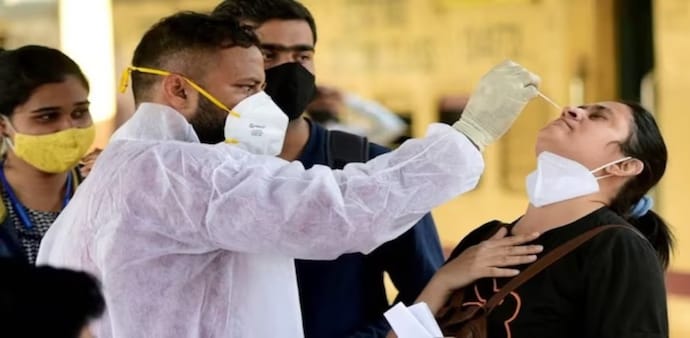
The recent detection of fresh COVID-19 cases and deaths in parts of India has once again raised questions about whether the virus should now be treated as just another seasonal respiratory infection. While COVID-19 has entered an endemic phase and is no longer causing the devastating waves seen during the pandemic, doctors say it continues to pose a serious threat to older adults, people with underlying medical conditions and those with weakened immunity.
Immunity has changed the disease, not the virus
According to Dr Rajni Kant, Indian Council of Medical Research (ICMR) Chair for Disease Elimination and former Director of ICMR-RMRC, Gorakhpur, COVID-19 has become less severe for most healthy individuals, but that does not mean the disease has become harmless.
“COVID-19 is now in the endemic phase, but it should not be equated with seasonal influenza. Widespread vaccination and previous exposure to the virus have helped build immunity in the population, which is why the infection is generally less severe in healthy individuals. However, people with comorbidities, the elderly and other high-risk groups remain vulnerable to severe disease. COVID-19 continues to cause hospitalisations and deaths, so it should not be taken lightly. Those at higher risk should continue to take appropriate precautions and seek medical attention promptly if they develop symptoms,” he said.
Doctors say COVID-19 and influenza now share many common symptoms, including fever, cough, sore throat, fatigue and body ache. But similar symptoms do not mean the two infections carry the same risk. Unlike influenza, SARS-CoV-2 continues to evolve, giving rise to new variants that can spread even among people with existing immunity.
New variants keep COVID-19 in circulation
The variants currently circulating, including NB.1.8.1 and other descendants of the JN.1 lineage, appear to spread more easily, although there is no evidence so far that they cause more severe disease.
“The currently circulating COVID-19 variants, including NB.1.8.1 and other JN.1 descendants, have a high transmission rate but are not associated with increased severity. Although symptoms overlap with those of seasonal infections, infections continue because of waning immunity and ongoing viral evolution, similar to other respiratory viruses,” said Dr Neha Rastogi, Senior Consultant, Infectious Diseases, Fortis Hospital, Gurugram.
She said older adults, immunocompromised individuals and people with significant comorbidities remain at higher risk of developing severe illness.
“In view of the vulnerability of these groups, prompt alertness, appropriate screening and continued surveillance remain essential. Continued genomic surveillance and protection of vulnerable populations should remain priorities. Early identification of symptoms, timely testing and appropriate preventive measures, including booster vaccination for immunocompromised individuals, continue to be important,” she said.
The pandemic is over, but the threat remains
According to Dr Randeep Guleria, Chairman, Institute of Internal Medicine, Respiratory and Sleep Medicine at Medanta Hospital, COVID-19 is not causing the level of illness seen during the earlier waves, but it has not become just another seasonal infection.
“COVID-19 is no longer as severe as it was during the earlier waves, largely because of widespread immunity from vaccination and prior infections. However, it would be a mistake to dismiss it as just another seasonal flu. We are still seeing patients with COVID-19 requiring hospitalisation, including ICU care, particularly among older adults, those with weakened immunity and people with underlying illnesses. For these high-risk groups, the virus can still lead to serious complications, so vigilance and timely medical care remain important,” he said.
India has moved from emergency response to long-term management of COVID-19, with greater emphasis on protecting vulnerable populations, strengthening genomic sequencing and maintaining public health preparedness.
The virus continues to circulate. Since the first cases were reported in 2020, India has recorded more than 4.5 crore confirmed COVID-19 cases and over 5.3 lakh deaths, according to official government data.
In recent months, the country has reported sporadic infections and occasional deaths, including localised clusters in Andhra Pradesh that prompted genomic sequencing after newer variants were detected.
The recent detection of fresh COVID-19 cases and deaths in parts of India has once again raised questions about whether the virus should now be treated as just another seasonal respiratory infection. While COVID-19 has entered an endemic phase and is no longer causing the devastating waves seen during the pandemic, doctors say it continues to pose a serious threat to older adults, people with underlying medical conditions and those with weakened immunity.
Immunity has changed the disease, not the virus
According to Dr Rajni Kant, Indian Council of Medical Research (ICMR) Chair for Disease Elimination and former Director of ICMR-RMRC, Gorakhpur, COVID-19 has become less severe for most healthy individuals, but that does not mean the disease has become harmless.
“COVID-19 is now in the endemic phase, but it should not be equated with seasonal influenza. Widespread vaccination and previous exposure to the virus have helped build immunity in the population, which is why the infection is generally less severe in healthy individuals. However, people with comorbidities, the elderly and other high-risk groups remain vulnerable to severe disease. COVID-19 continues to cause hospitalisations and deaths, so it should not be taken lightly. Those at higher risk should continue to take appropriate precautions and seek medical attention promptly if they develop symptoms,” he said.
Doctors say COVID-19 and influenza now share many common symptoms, including fever, cough, sore throat, fatigue and body ache. But similar symptoms do not mean the two infections carry the same risk. Unlike influenza, SARS-CoV-2 continues to evolve, giving rise to new variants that can spread even among people with existing immunity.
New variants keep COVID-19 in circulation
The variants currently circulating, including NB.1.8.1 and other descendants of the JN.1 lineage, appear to spread more easily, although there is no evidence so far that they cause more severe disease.
“The currently circulating COVID-19 variants, including NB.1.8.1 and other JN.1 descendants, have a high transmission rate but are not associated with increased severity. Although symptoms overlap with those of seasonal infections, infections continue because of waning immunity and ongoing viral evolution, similar to other respiratory viruses,” said Dr Neha Rastogi, Senior Consultant, Infectious Diseases, Fortis Hospital, Gurugram.
She said older adults, immunocompromised individuals and people with significant comorbidities remain at higher risk of developing severe illness.
“In view of the vulnerability of these groups, prompt alertness, appropriate screening and continued surveillance remain essential. Continued genomic surveillance and protection of vulnerable populations should remain priorities. Early identification of symptoms, timely testing and appropriate preventive measures, including booster vaccination for immunocompromised individuals, continue to be important,” she said.
The pandemic is over, but the threat remains
According to Dr Randeep Guleria, Chairman, Institute of Internal Medicine, Respiratory and Sleep Medicine at Medanta Hospital, COVID-19 is not causing the level of illness seen during the earlier waves, but it has not become just another seasonal infection.
“COVID-19 is no longer as severe as it was during the earlier waves, largely because of widespread immunity from vaccination and prior infections. However, it would be a mistake to dismiss it as just another seasonal flu. We are still seeing patients with COVID-19 requiring hospitalisation, including ICU care, particularly among older adults, those with weakened immunity and people with underlying illnesses. For these high-risk groups, the virus can still lead to serious complications, so vigilance and timely medical care remain important,” he said.
India has moved from emergency response to long-term management of COVID-19, with greater emphasis on protecting vulnerable populations, strengthening genomic sequencing and maintaining public health preparedness.
The virus continues to circulate. Since the first cases were reported in 2020, India has recorded more than 4.5 crore confirmed COVID-19 cases and over 5.3 lakh deaths, according to official government data.
In recent months, the country has reported sporadic infections and occasional deaths, including localised clusters in Andhra Pradesh that prompted genomic sequencing after newer variants were detected.