
'Festive sales to cross Rs 7 lakh crore': CAIT's Praveen Khandelwal says inflation unlikely to dampen consumer spending
The forecast comes as India's wholesale inflation climbed to 11.39% in September from 9.92% in August
- Oct 14, 2026,
- Updated Oct 14, 2026 4:27 PM IST
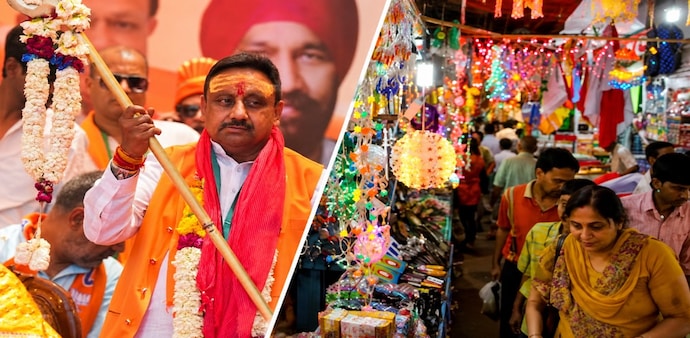
India's festive trade is expected to cross Rs 7 lakh crore between Navratri and Diwali, Praveen Khandelwal, secretary general of the Confederation of All India Traders (CAIT), told Business Today TV on Wednesday. Traders are anticipating 15-18% growth over last year despite rising inflation.
Khandelwal, who is also the BJP Lok Sabha MP from Chandni Chowk, said consumer sentiment remains strong, and businesses have stocked up in anticipation of record sales. He said a nationwide survey conducted by CAIT's research organisation across more than 30 cities showed considerable optimism among traders.
"The consumer sentiment is very upbeat and traders have made sufficient stocks with them, hoping for a good business in comparison to last year," he said.
Festive trade stood at around Rs 6.05 lakh crore last year, according to Khandelwal. He expects this year's sales to surpass Rs 7 lakh crore, supported by consumer demand, logistics and services.
Will rising inflation affect spending?
The forecast comes as India's wholesale inflation climbed to 11.39% in September from 9.92% in August. Retail inflation also increased to 5.54%, raising concerns about pressure on household budgets.
Khandelwal, however, said higher prices were unlikely to significantly affect festive purchases.
"There is a good josh among the consumers to purchase, and that leads to magical figure of seven lakh crores of rupees," he said.
He attributed the optimism to improved purchasing power, greater financial liquidity and the availability of domestically manufactured products. He also pointed to the International Monetary Fund's forecast of around 7% economic growth for India.
Gold, groceries and electronics to drive sales
According to CAIT's estimates, groceries could account for 12% of festive trade, followed by gold, bullion and jewellery at 10%.
Electronics and electrical goods are expected to contribute 8%, while consumer durables, readymade garments and gift items could each account for 7%.
Khandelwal said the service sector would also benefit from thousands of Navratri, Durga Puja and Diwali events organised across the country.
Packaging is another emerging growth segment, with CAIT estimating that it could account for 3-4% of festive business.
Offline traders versus e-commerce platforms
Asked about competition from e-commerce companies offering steep festive discounts, Khandelwal accused foreign-funded platforms of engaging in predatory pricing and deep discounting.
The CAIT president argued that physical stores retain an advantage because consumers can inspect products before purchasing them. He also claimed that shoppers increasingly value genuine products and are willing to pay slightly more for them.
On protests affecting Delhi's commercial areas, Khandelwal said disruptions had hurt business activity. He urged authorities to protect both the democratic right to protest and traders' ability to operate their businesses.
India's festive trade is expected to cross Rs 7 lakh crore between Navratri and Diwali, Praveen Khandelwal, secretary general of the Confederation of All India Traders (CAIT), told Business Today TV on Wednesday. Traders are anticipating 15-18% growth over last year despite rising inflation.
Khandelwal, who is also the BJP Lok Sabha MP from Chandni Chowk, said consumer sentiment remains strong, and businesses have stocked up in anticipation of record sales. He said a nationwide survey conducted by CAIT's research organisation across more than 30 cities showed considerable optimism among traders.
"The consumer sentiment is very upbeat and traders have made sufficient stocks with them, hoping for a good business in comparison to last year," he said.
Festive trade stood at around Rs 6.05 lakh crore last year, according to Khandelwal. He expects this year's sales to surpass Rs 7 lakh crore, supported by consumer demand, logistics and services.
Will rising inflation affect spending?
The forecast comes as India's wholesale inflation climbed to 11.39% in September from 9.92% in August. Retail inflation also increased to 5.54%, raising concerns about pressure on household budgets.
Khandelwal, however, said higher prices were unlikely to significantly affect festive purchases.
"There is a good josh among the consumers to purchase, and that leads to magical figure of seven lakh crores of rupees," he said.
He attributed the optimism to improved purchasing power, greater financial liquidity and the availability of domestically manufactured products. He also pointed to the International Monetary Fund's forecast of around 7% economic growth for India.
Gold, groceries and electronics to drive sales
According to CAIT's estimates, groceries could account for 12% of festive trade, followed by gold, bullion and jewellery at 10%.
Electronics and electrical goods are expected to contribute 8%, while consumer durables, readymade garments and gift items could each account for 7%.
Khandelwal said the service sector would also benefit from thousands of Navratri, Durga Puja and Diwali events organised across the country.
Packaging is another emerging growth segment, with CAIT estimating that it could account for 3-4% of festive business.
Offline traders versus e-commerce platforms
Asked about competition from e-commerce companies offering steep festive discounts, Khandelwal accused foreign-funded platforms of engaging in predatory pricing and deep discounting.
The CAIT president argued that physical stores retain an advantage because consumers can inspect products before purchasing them. He also claimed that shoppers increasingly value genuine products and are willing to pay slightly more for them.
On protests affecting Delhi's commercial areas, Khandelwal said disruptions had hurt business activity. He urged authorities to protect both the democratic right to protest and traders' ability to operate their businesses.