
‘Don't mistake busyness for progress’: Vittoria Ferragamo
One advice I wish I had received earlier is to learn from the people you work with by observing how they make decisions and solve problems.
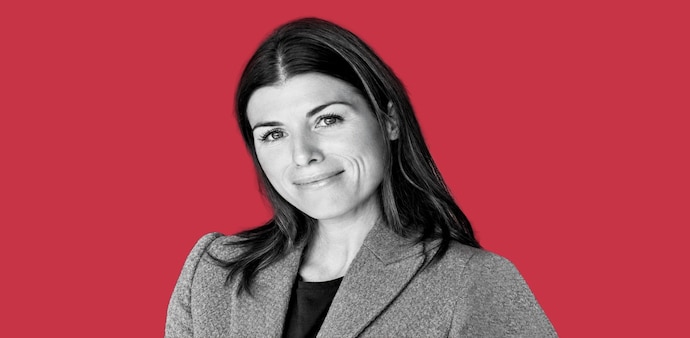
- Nov 15, 2026,
- Updated Nov 15, 2026 6:21 PM IST
As Salvatore Ferragamo’s granddaughter, what have you learnt about preserving a luxury brand’s heritage while allowing it to evolve?
Protecting a legacy means knowing what must remain at its core and what can evolve. Craftsmanship, authenticity and quality must endure, while their expression adapts to changing consumers and cultures.
How do you decide what a luxury brand must preserve and what it needs to change to stay relevant?
Understand why a tradition exists before changing it. I ask whether a change makes the brand more relevant without compromising its distinctiveness. Industry-led luxury education, with exposure to markets, practitioners and real projects, helps young professionals develop the judgement to balance heritage with innovation.
As young professionals seek purpose, creativity and faster career growth, how can they build a meaningful, long-term career in an industry that demands patience, craftsmanship and attention to detail?
My advice is to stay curious and take time to understand the industry. Gen Z brings purpose, creativity and a willingness to challenge established ways of working, but luxury also demands patience and meticulous attention to detail.
What new skills will the next generation of luxury leaders need as the industry evolves?
Luxury today goes beyond creativity and product excellence. It requires connecting sustainability, technology, data and human experience. At Il Borro, sustainability informs everything from organic and regenerative agriculture to hospitality, resource management and heritage preservation. It is not a separate initiative but part of every decision.
Cultural sensitivity is equally important as luxury expands across markets with different values and expectations. Future leaders must combine deep expertise in their craft with a broader understanding of the systems they operate in.
What career advice would you give your younger self and what mistake should young professionals avoid?
One advice I wish I had received earlier is to learn from the people you work with by observing how they make decisions and solve problems. The mistake to avoid is equating busyness with progress. In luxury, understanding why something is done matters as much as doing it quickly.