
Infosys co-founder and technology leader Kris Gopalakrishnan’s advice to leaders
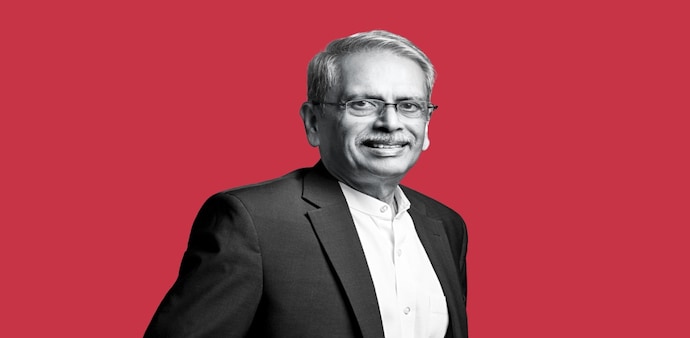
Co-founder & former Executive Vice Chairman & CEO, Infosys; Managing Trustee, Pratiksha Trust; Pratithi Investment Trust; Chairman, Axilor Ventures.
- Oct 11, 2026,
- Updated Oct 11, 2026 5:45 AM IST
Q: What is one uncomfortable truth about managing successful organisations that CEOs learn only after they have made a costly mistake?
Most leaders don’t realise how much talent is sitting unused inside their own organisation. We tend to assume that big problems are for the leadership team to solve. But when you engage every employee and say, “Help us think through this,” you get better answers. More importantly, people feel wanted and become participants in solving the organisation’s challenges. A CEO doesn’t need to have every answer. The real job is to create an environment where the organisation can find the answers together.
Q: When a company becomes large, what should CEOs protect at all costs, and what should they be willing to reinvent completely?
Protect your values at all costs. At the same time, be prepared to reinvent your ways of working, knowledge management, and workforce management strategies.
What worked when the organisation was smaller may not work at scale. A CEO’s responsibility is to protect what is fundamental to the organisation while being willing to rethink how the organisation works and manages its people and knowledge.
Q: How do you view the importance of investment in research?
In a world of technology disruptions and continuous change, continuous reinvention is a must to stay relevant. I recommend that every CEO should measure the percentage of enterprise revenues coming from products and services introduced in the last three–five years. If that number is low, you are living off the past, even if the results look fine today. Scale can create comfort, and comfort is dangerous.
Q: AI is changing how organisations work. What management principle will become more important?
Human judgement will become more important. AI will crunch data faster than any of us, spot patterns we might miss, and support decisions in ways we couldn’t before.
But the distinctive role of management will be to provide what AI cannot: purpose, values, context, ethical judgement, and clarity about what is worth doing. The job of a leader is, therefore, shifting.
Q: What is one uncomfortable truth about managing successful organisations that CEOs learn only after they have made a costly mistake?
Most leaders don’t realise how much talent is sitting unused inside their own organisation. We tend to assume that big problems are for the leadership team to solve. But when you engage every employee and say, “Help us think through this,” you get better answers. More importantly, people feel wanted and become participants in solving the organisation’s challenges. A CEO doesn’t need to have every answer. The real job is to create an environment where the organisation can find the answers together.
Q: When a company becomes large, what should CEOs protect at all costs, and what should they be willing to reinvent completely?
Protect your values at all costs. At the same time, be prepared to reinvent your ways of working, knowledge management, and workforce management strategies.
What worked when the organisation was smaller may not work at scale. A CEO’s responsibility is to protect what is fundamental to the organisation while being willing to rethink how the organisation works and manages its people and knowledge.
Q: How do you view the importance of investment in research?
In a world of technology disruptions and continuous change, continuous reinvention is a must to stay relevant. I recommend that every CEO should measure the percentage of enterprise revenues coming from products and services introduced in the last three–five years. If that number is low, you are living off the past, even if the results look fine today. Scale can create comfort, and comfort is dangerous.
Q: AI is changing how organisations work. What management principle will become more important?
Human judgement will become more important. AI will crunch data faster than any of us, spot patterns we might miss, and support decisions in ways we couldn’t before.
But the distinctive role of management will be to provide what AI cannot: purpose, values, context, ethical judgement, and clarity about what is worth doing. The job of a leader is, therefore, shifting.