
Why World Bank’s Neelkanth Mishra thinks the real estate cycle has turned
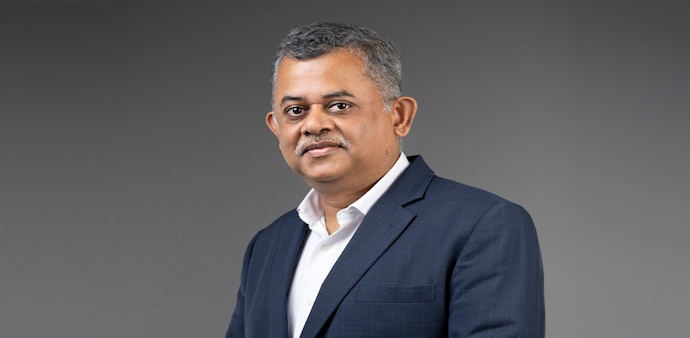
Neelkanth Mishra, India's Executive Director at the World Bank, on his outlook for the Indian economy.
- Oct 15, 2026,
- Updated Oct 15, 2026 8:56 AM IST
The private capex cycle in India is beginning to move, says Neelkanth Mishra, India’s Executive Director at the World Bank, as investments in sectors like steel,
Cement, power, and data centres gain momentum. He says 7%-plus GDP growth is achievable but also warns of headwinds from high crude oil prices and cost of capital.
Edited excerpts:
With the West Asia war and a poor monsoon, do you think India’s current growth trajectory is sustainable?
Yes, I think it is sustainable. The real estate cycle has turned, and the investment cycle is turning. We are out of the deleveraging that was forced by the previous excesses in lending and the IBC (Insolvency and Bankruptcy Code). Our trend growth is well above 7%, and there is no reason why we should not be able to manage it.
There are two significant growth headwinds. First are energy prices. It does not look like the war in West Asia will end soon, and it may escalate further before de-escalating, which means energy prices will be higher for longer. The government is providing some fiscal support to cushion the impact on the economy, but depending on where oil prices average over the next 12 months, there will be some headwind. At $100-$105 dollars per barrel, it is a 2% of GDP headwind to the economy. Some of this is being offset by the government’s fiscal interventions, which means GDP growth can be impacted by 0.5-1%.
The second headwind is from the cost of capital. Earlier, one could finance 2-3% of GDP worth of current account deficit (CAD), but today even 1% is harder to finance, given rising yields and the global growth slowdown. But 7%-plus growth rate is still doable.
What is your take on inflation?
Oil prices are averaging $100–105 instead of $70, and energy constitutes a significant part of the consumption basket, both directly and indirectly. It would therefore, be unwise to assume that inflation will not rise. Prices will have to increase.
Unless you expect crude oil prices to rise from $70 to $105 and then to $150, it is unlikely that this alone would warrant rate hikes. It would be viewed as a step-change adjustment in the process. The question is whether this will significantly affect consumption. That is how the growth headwind manifests itself: consumers are paying considerably more for the same volume of goods they previously purchased.
Equity markets and foreign investors do not seem to reflect the optimism surrounding the fundamentals of the Indian economy. Why is that?
The stock market and the economy are related only broadly. There is no consistent correlation. The headline indices are not behaving that well, but that is not a reason to disbelieve economic growth.
The FIIs (foreign institutional investors) are a different issue. If you are an asset allocator and US 10-year yields are 5.3%, it is given that there will always be an equity risk premium. It is hard to expect that FPIs (foreign portfolio investors) will be warm towards India because India is not an asset class yet.
If interest rates have gone up in the US, especially in the last two months, it is difficult to see FPIs getting flows, and flows coming to India. That has nothing to do with whether they believe in the India growth story or not.
Why has the private capex cycle still not picked up?
In Q1 FY27, GDP and investment growth were robust. A lot of it is private. Private sector investments may not be commensurate with the capital or retained earnings that they are generating, but they are starting to invest in sectors like steel and cement. Power sector capex has picked up. Many large groups have announced expansion of data centres, although clarity on silicon prices is missing. Private sector capital is starting to move. It is not as bad as it was three years back. But the growth we saw between say 2007 and 2012-13, may not be visible in the next one or two years.
What are your priorities as India’s Executive Director at the World Bank?
The World Bank is going through transition, and several policies need to be defined and adapted. The board also has a role in allocation of capital to various geographies and products.
The second area of work is channelling World Bank capital and knowledge to the Indian economy. We have identified urbanisation, tourism, critical minerals, and agricultural exports as the four areas where we need the convening power of the World Bank, or someone who has authority and knowledge of the World Bank, to work with the state governments.
The third area of work is that in Washington D.C., the understanding of the Indian economy is a bit outdated from 15-20 years back. It is important to engage with think tanks and industry bodies on work that India has been doing in sectors like semiconductors, manufacturing, infrastructure, and availability of power.
@surabhi_prasad
The private capex cycle in India is beginning to move, says Neelkanth Mishra, India’s Executive Director at the World Bank, as investments in sectors like steel,
Cement, power, and data centres gain momentum. He says 7%-plus GDP growth is achievable but also warns of headwinds from high crude oil prices and cost of capital.
Edited excerpts:
With the West Asia war and a poor monsoon, do you think India’s current growth trajectory is sustainable?
Yes, I think it is sustainable. The real estate cycle has turned, and the investment cycle is turning. We are out of the deleveraging that was forced by the previous excesses in lending and the IBC (Insolvency and Bankruptcy Code). Our trend growth is well above 7%, and there is no reason why we should not be able to manage it.
There are two significant growth headwinds. First are energy prices. It does not look like the war in West Asia will end soon, and it may escalate further before de-escalating, which means energy prices will be higher for longer. The government is providing some fiscal support to cushion the impact on the economy, but depending on where oil prices average over the next 12 months, there will be some headwind. At $100-$105 dollars per barrel, it is a 2% of GDP headwind to the economy. Some of this is being offset by the government’s fiscal interventions, which means GDP growth can be impacted by 0.5-1%.
The second headwind is from the cost of capital. Earlier, one could finance 2-3% of GDP worth of current account deficit (CAD), but today even 1% is harder to finance, given rising yields and the global growth slowdown. But 7%-plus growth rate is still doable.
What is your take on inflation?
Oil prices are averaging $100–105 instead of $70, and energy constitutes a significant part of the consumption basket, both directly and indirectly. It would therefore, be unwise to assume that inflation will not rise. Prices will have to increase.
Unless you expect crude oil prices to rise from $70 to $105 and then to $150, it is unlikely that this alone would warrant rate hikes. It would be viewed as a step-change adjustment in the process. The question is whether this will significantly affect consumption. That is how the growth headwind manifests itself: consumers are paying considerably more for the same volume of goods they previously purchased.
Equity markets and foreign investors do not seem to reflect the optimism surrounding the fundamentals of the Indian economy. Why is that?
The stock market and the economy are related only broadly. There is no consistent correlation. The headline indices are not behaving that well, but that is not a reason to disbelieve economic growth.
The FIIs (foreign institutional investors) are a different issue. If you are an asset allocator and US 10-year yields are 5.3%, it is given that there will always be an equity risk premium. It is hard to expect that FPIs (foreign portfolio investors) will be warm towards India because India is not an asset class yet.
If interest rates have gone up in the US, especially in the last two months, it is difficult to see FPIs getting flows, and flows coming to India. That has nothing to do with whether they believe in the India growth story or not.
Why has the private capex cycle still not picked up?
In Q1 FY27, GDP and investment growth were robust. A lot of it is private. Private sector investments may not be commensurate with the capital or retained earnings that they are generating, but they are starting to invest in sectors like steel and cement. Power sector capex has picked up. Many large groups have announced expansion of data centres, although clarity on silicon prices is missing. Private sector capital is starting to move. It is not as bad as it was three years back. But the growth we saw between say 2007 and 2012-13, may not be visible in the next one or two years.
What are your priorities as India’s Executive Director at the World Bank?
The World Bank is going through transition, and several policies need to be defined and adapted. The board also has a role in allocation of capital to various geographies and products.
The second area of work is channelling World Bank capital and knowledge to the Indian economy. We have identified urbanisation, tourism, critical minerals, and agricultural exports as the four areas where we need the convening power of the World Bank, or someone who has authority and knowledge of the World Bank, to work with the state governments.
The third area of work is that in Washington D.C., the understanding of the Indian economy is a bit outdated from 15-20 years back. It is important to engage with think tanks and industry bodies on work that India has been doing in sectors like semiconductors, manufacturing, infrastructure, and availability of power.
@surabhi_prasad