
Bandhan Bank shares: 2 reasons why the stock is in focus today
ICRA said its ratings factored in Bandhan Bank’s strong capitalisation levels and the continued strengthening of its portfolio mix, with the share of the secured portfolio rising to 57 per cent of advances as of June 30, 2026.
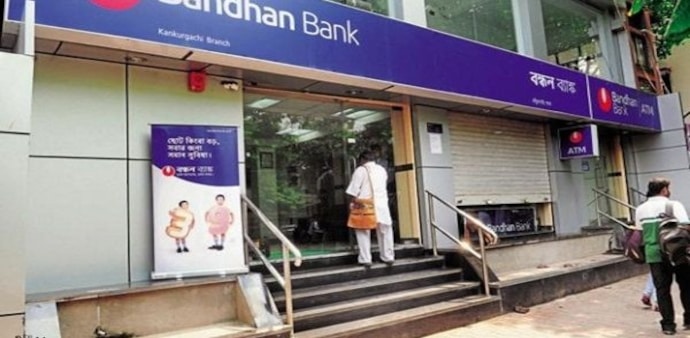
- Sep 28, 2026,
- Updated Sep 28, 2026 8:08 AM IST
Bandhan Bank shares are in focus on Monday as the private lender approved Vinay Jain as interim CFO. The stock is also in focus after ICRA reaffirmed its ratings for the bank’s non-convertible debentures and certificates of deposit, citing expectations that Bandhan Bank will maintain healthy capital cushions and a steady liability profile, with improving asset quality and steady profitability.
ICRA said its ratings reaffirmation factored in Bandhan Bank’s strong capitalisation levels and the continued strengthening of its portfolio mix, with the share of the secured portfolio rising to 57 per cent of advances as of June 30, 2026, from 52 per cent as of June 30, 2025. Its Tier I capital and capital-to-risk weighted assets ratio (CRAR) stood at 17.54 per cent and 18.22 per cent, respectively, as of June 30, 2026, compared with 18.27 per cent and 19.08 per cent, respectively, as of June 30, 2025.
The ratings also considered the improving granularity of the deposit mix at Bandhan Bank, with the share of current account savings account (CASA) and retail deposits rising to 74 per cent of total deposits as of June 30, 2026, from 68 per cent as of June 30, 2025. However, ICRA noted that Bandhan Bank's share of CASA in total deposits remains below the private sector bank (PVB) average. The ratings continued to derive comfort from the bank’s long track record in the microfinance industry and operational experience of more than two decades.
From an asset quality perspective, Bandhan’s headline metrics improved, with gross and net non-performing advances (NPAs) declining to 3.15 per cent and 0.93 per cent, respectively, as of June 30, 2026, from 4.96 per cent and 1.35 per cent, respectively, as of June 30, 2025, ICRA said.
While Bandhan Bank's net stress pool (Net NPAs + SMA 1 + SMA 2) declined to 3.1 per cent as of June 30, 2026, from 3.8 per cent as of June 30, 2025, it remains elevated.
"Although the fresh NPA generation rate continues to decline, to 2.91 per cent in Q1 FY2027 from 4.21 per cent in FY2026 and 4.49 per cent in FY2025, portfolio vulnerability remains high, especially in its emerging enterprise business (EEB) segment, given the relatively weaker borrower profile. Thus, the bank’s ability to contain fresh slippages in its portfolio will remain monitorable," ICRA said.
Meanwhile, ICRA said Bandhan's ratings also factored in the healthy growth in advances, driven by the steady rise in the non-EEB book to 66 per cent of total advances as of June 2026, from 65 per cent in March 2026 and 59 per cent in March 2025.
"However, the earnings profile, though improving, remains constrained by higher credit provisions and lower net interest margins (NIMs). This is due to the declining share of the high-yielding unsecured book and the faster repricing of assets than deposits in FY2026 amid the declining interest rate environment," it said.
ICRA said the bank’s high operating expenses continue to weigh on its profitability, with return on assets (RoA) at 0.61 per cent in FY2026 compared with 1.48 per cent in FY2025.
Bandhan Bank shares are in focus on Monday as the private lender approved Vinay Jain as interim CFO. The stock is also in focus after ICRA reaffirmed its ratings for the bank’s non-convertible debentures and certificates of deposit, citing expectations that Bandhan Bank will maintain healthy capital cushions and a steady liability profile, with improving asset quality and steady profitability.
ICRA said its ratings reaffirmation factored in Bandhan Bank’s strong capitalisation levels and the continued strengthening of its portfolio mix, with the share of the secured portfolio rising to 57 per cent of advances as of June 30, 2026, from 52 per cent as of June 30, 2025. Its Tier I capital and capital-to-risk weighted assets ratio (CRAR) stood at 17.54 per cent and 18.22 per cent, respectively, as of June 30, 2026, compared with 18.27 per cent and 19.08 per cent, respectively, as of June 30, 2025.
The ratings also considered the improving granularity of the deposit mix at Bandhan Bank, with the share of current account savings account (CASA) and retail deposits rising to 74 per cent of total deposits as of June 30, 2026, from 68 per cent as of June 30, 2025. However, ICRA noted that Bandhan Bank's share of CASA in total deposits remains below the private sector bank (PVB) average. The ratings continued to derive comfort from the bank’s long track record in the microfinance industry and operational experience of more than two decades.
From an asset quality perspective, Bandhan’s headline metrics improved, with gross and net non-performing advances (NPAs) declining to 3.15 per cent and 0.93 per cent, respectively, as of June 30, 2026, from 4.96 per cent and 1.35 per cent, respectively, as of June 30, 2025, ICRA said.
While Bandhan Bank's net stress pool (Net NPAs + SMA 1 + SMA 2) declined to 3.1 per cent as of June 30, 2026, from 3.8 per cent as of June 30, 2025, it remains elevated.
"Although the fresh NPA generation rate continues to decline, to 2.91 per cent in Q1 FY2027 from 4.21 per cent in FY2026 and 4.49 per cent in FY2025, portfolio vulnerability remains high, especially in its emerging enterprise business (EEB) segment, given the relatively weaker borrower profile. Thus, the bank’s ability to contain fresh slippages in its portfolio will remain monitorable," ICRA said.
Meanwhile, ICRA said Bandhan's ratings also factored in the healthy growth in advances, driven by the steady rise in the non-EEB book to 66 per cent of total advances as of June 2026, from 65 per cent in March 2026 and 59 per cent in March 2025.
"However, the earnings profile, though improving, remains constrained by higher credit provisions and lower net interest margins (NIMs). This is due to the declining share of the high-yielding unsecured book and the faster repricing of assets than deposits in FY2026 amid the declining interest rate environment," it said.
ICRA said the bank’s high operating expenses continue to weigh on its profitability, with return on assets (RoA) at 0.61 per cent in FY2026 compared with 1.48 per cent in FY2025.