
'No trade on August 12': CAS angers retail traders, boycott campaign gains traction
SEBI introduced the CAS for F&O-eligible stocks on August 3, replacing the earlier 30-minute VWAP-based closing price mechanism to improve price discovery and curb end-of-day price manipulation.
- Aug 10, 2026,
- Updated Aug 10, 2026 10:52 AM IST
Amid a wider-than-usual divergence in closing prices following the introduction of the Closing Auction Session (CAS), many X users have called for a boycott of trading on August 12, Wednesday. While analysts believe these temporary divergences will narrow as participation in the CAS broadens and liquidity improves over the coming weeks, some retail investors beg to differ.
No trades, just protest, said an X user. He urged day traders to skip trading on August 12 to support the demand for a CAS rollback. "Let’s make trading volume drop so sharply that the media can’t ignore it. Post a screenshot of your empty order book and show your support," he said.
A user said he was participating in the boycott as he felt the fresh SEBI move made trading unattractive for retail traders.
Another user said: "Take no trades on that day to show your support for the protest on rolling back CAS. The volume data of that day needs to be severely low so that media catches on the issue."
Another X user posted: "I will not punch a single trade on 12 th August, even on a testing account on which I am punching trades to understand behaviour of post CAS implementation."
To recall, SEBI introduced the CAS for F&O-eligible stocks on August 3, replacing the earlier 30-minute VWAP-based closing price mechanism to improve price discovery, curb end-of-day price manipulation, and align India's markets with global practices.
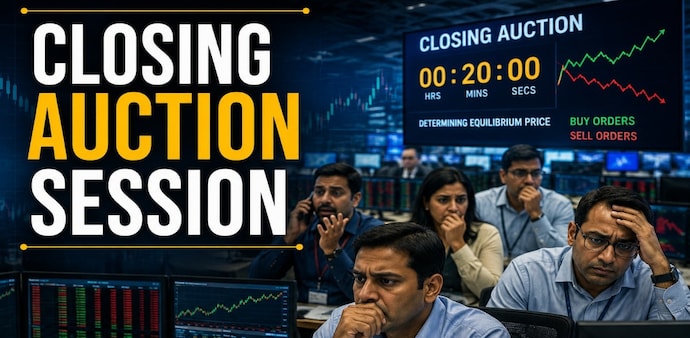
Under CAS, the official closing price is determined through a single equilibrium auction based on the maximum executable buy and sell orders. The initial rollout led to sharp auction-driven moves, resulting in a significant gap between the 3:15 pm market level and the official close, causing volatility in index settlements and expiry-day derivatives.
An X user on Monday posted: "One trader sitting out may not matter, but thousands doing it together could send a powerful message. Do you think a coordinated no-trading day on August 12 can make regulators take the CAS rollback demand seriously?"
The Closing Auction Session (CAS) methodology aligned Indina markets with global practices. Although the transition unsettled traders initially, regulators maintained that it would enhance the reliability of closing prices and deepen liquidity.
Over the long term, CAS is seen as enhancing the integrity of closing prices, improving benchmark reliability, reducing end-of-day price distortions, and bringing India's market infrastructure closer to global best practices.
Amid a wider-than-usual divergence in closing prices following the introduction of the Closing Auction Session (CAS), many X users have called for a boycott of trading on August 12, Wednesday. While analysts believe these temporary divergences will narrow as participation in the CAS broadens and liquidity improves over the coming weeks, some retail investors beg to differ.
No trades, just protest, said an X user. He urged day traders to skip trading on August 12 to support the demand for a CAS rollback. "Let’s make trading volume drop so sharply that the media can’t ignore it. Post a screenshot of your empty order book and show your support," he said.
A user said he was participating in the boycott as he felt the fresh SEBI move made trading unattractive for retail traders.
Another user said: "Take no trades on that day to show your support for the protest on rolling back CAS. The volume data of that day needs to be severely low so that media catches on the issue."
Another X user posted: "I will not punch a single trade on 12 th August, even on a testing account on which I am punching trades to understand behaviour of post CAS implementation."
To recall, SEBI introduced the CAS for F&O-eligible stocks on August 3, replacing the earlier 30-minute VWAP-based closing price mechanism to improve price discovery, curb end-of-day price manipulation, and align India's markets with global practices.
Under CAS, the official closing price is determined through a single equilibrium auction based on the maximum executable buy and sell orders. The initial rollout led to sharp auction-driven moves, resulting in a significant gap between the 3:15 pm market level and the official close, causing volatility in index settlements and expiry-day derivatives.
An X user on Monday posted: "One trader sitting out may not matter, but thousands doing it together could send a powerful message. Do you think a coordinated no-trading day on August 12 can make regulators take the CAS rollback demand seriously?"
The Closing Auction Session (CAS) methodology aligned Indina markets with global practices. Although the transition unsettled traders initially, regulators maintained that it would enhance the reliability of closing prices and deepen liquidity.
Over the long term, CAS is seen as enhancing the integrity of closing prices, improving benchmark reliability, reducing end-of-day price distortions, and bringing India's market infrastructure closer to global best practices.