
Beyond bullion: How IFSCA aims to position GIFT City as a commodity trading hub
According to IFSCA chairperson K. Rajaraman, the proposal to permit commodity trading as a financial service is being examined by the Government of India.
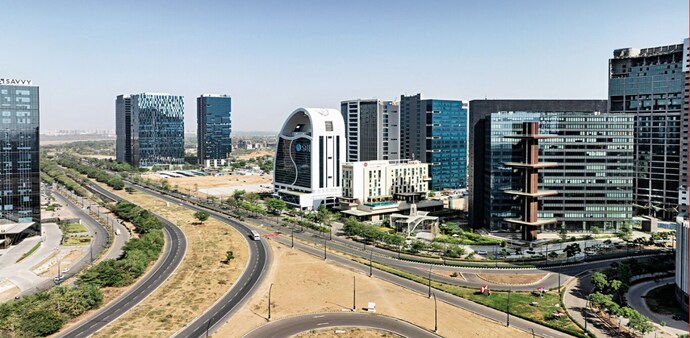
- Aug 12, 2026,
- Updated Aug 12, 2026 5:44 PM IST
The India International Bullion Exchange (IIBX) in Gujarat's GIFT City institutionalised bullion imports and enabled qualified jewellers to import gold and silvers directly through exchange-based mechanisms. The International Financial Services Centres Authority (IFSCA) now wants to expand the capabilities beyond just precious metals like gold and silver into other areas like metals, energy and agriculture derivatives as it looks to build GIFT City's capabilities on the commodities trading front.
"Building on the progress of IIBX, our goal is to expand this infrastructure into energy, base metals and agriculture derivatives, by establishing liquidity bridges, cross-listing arrangements and arbitrage pathways between domestic exchanges like MCX and IFSC. We will create benchmark contracts capable of absorbing global price shocks," K. Rajaraman, the IFSCA chairperson, said on Wednesday.
IFSCA sees massive opportunities in trade finance. Rajaraman noted the global trade finance gap was a major challenge, affecting especially the smaller commodity traders.
GIFT City can help address this by bringing together banks, trade finance platforms, insurers, funds fintech companies and technology providers, stated Rajaraman. He was speaking at a commodities conclave organised by MCX in Mumbai.
"A modern trade finance ecosystem, should support electronic documentation. digital bills of exchange electronic bills of trading, authenticated invoices, automated compliance checks and real-time tracking goods and payments," felt Rajaraman.
The proposed digital trade facilitation bill, which the Government of India is working on, will facilitate this, reducing this friction in the global trading market, especially Indian markets, he added.
According to Rajaraman, the international banking units in IFSC extended trade credit worth $50.6 billion to corporates and small and medium enterprises. IFSCA had constituted a committee on positioning GIFT City as a commodity trading hub.
GIFT IFSC offers a conducive environment characterised by liberalised capital flows, favourable tax regimes, and robust governance standards and this makes it an ideal location to develop into a Global Commodity Trading Hub that can rival the likes of Singapore, Dubai, Hong Kong, and Switzerland, the report had noted.
India's commodity trading landscape remains fragmented, and there is substantial part of the international commodity business and associated financial services that is routed through overseas jurisdictions. Rajaraman pointed the idea was how to bring it back.
He said the proposal to permit commodity trading as a financial service and commodity contracts as financial products is being examined by the Government of India and Rajaraman is hopeful of hearing on the same from the government soon.
The India International Bullion Exchange (IIBX) in Gujarat's GIFT City institutionalised bullion imports and enabled qualified jewellers to import gold and silvers directly through exchange-based mechanisms. The International Financial Services Centres Authority (IFSCA) now wants to expand the capabilities beyond just precious metals like gold and silver into other areas like metals, energy and agriculture derivatives as it looks to build GIFT City's capabilities on the commodities trading front.
"Building on the progress of IIBX, our goal is to expand this infrastructure into energy, base metals and agriculture derivatives, by establishing liquidity bridges, cross-listing arrangements and arbitrage pathways between domestic exchanges like MCX and IFSC. We will create benchmark contracts capable of absorbing global price shocks," K. Rajaraman, the IFSCA chairperson, said on Wednesday.
IFSCA sees massive opportunities in trade finance. Rajaraman noted the global trade finance gap was a major challenge, affecting especially the smaller commodity traders.
GIFT City can help address this by bringing together banks, trade finance platforms, insurers, funds fintech companies and technology providers, stated Rajaraman. He was speaking at a commodities conclave organised by MCX in Mumbai.
"A modern trade finance ecosystem, should support electronic documentation. digital bills of exchange electronic bills of trading, authenticated invoices, automated compliance checks and real-time tracking goods and payments," felt Rajaraman.
The proposed digital trade facilitation bill, which the Government of India is working on, will facilitate this, reducing this friction in the global trading market, especially Indian markets, he added.
According to Rajaraman, the international banking units in IFSC extended trade credit worth $50.6 billion to corporates and small and medium enterprises. IFSCA had constituted a committee on positioning GIFT City as a commodity trading hub.
GIFT IFSC offers a conducive environment characterised by liberalised capital flows, favourable tax regimes, and robust governance standards and this makes it an ideal location to develop into a Global Commodity Trading Hub that can rival the likes of Singapore, Dubai, Hong Kong, and Switzerland, the report had noted.
India's commodity trading landscape remains fragmented, and there is substantial part of the international commodity business and associated financial services that is routed through overseas jurisdictions. Rajaraman pointed the idea was how to bring it back.
He said the proposal to permit commodity trading as a financial service and commodity contracts as financial products is being examined by the Government of India and Rajaraman is hopeful of hearing on the same from the government soon.