
Need to be watchful, but be persistent: Sebi chief on new market closing auction system
The market regulator is in dialogue with various participants, Tuhin Kanta Pandey said. This comes in the wake of complaints raised by market participants regarding the new system.
- Aug 12, 2026,
- Updated Aug 12, 2026 2:35 PM IST
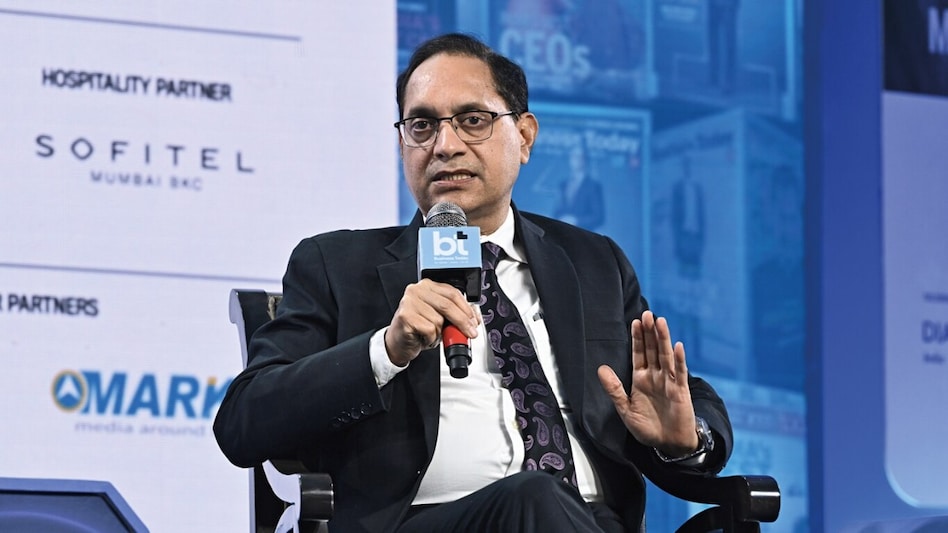
We have to be watchful, but have to be persistent, that was the message from Tuhin Kanta Pandey, the chairman of Securities and Exchange Board of India on the new closing auction session (CAS) that has been rolled out in stock exchanges recently.
The closing price auction was only recently rolled out for efficient discovery of closing stock prices. The way it works is continuous trading ends at 3.15pm. The official closing price is then determined by pooling buy and selling orders and matching trades at a common price.
This replaced the earlier VWAP (volume weighted average price) system that was in place.
Since the new system was rolled out there have been many complaints and noticeable gaps were observed in the initial days between pre-auction price levels and final settlements.
Pandey told reporters on Wednesday that when new things are launched, it takes time for all people to understand. He said the regulator is in talks with various participants and it would be open to looking at any tweaks should there be a need.
"Sebi is in dialogue with various people and we are also understanding their inputs. If there is a necessity to tweak a few things, we will look into it," he said on the sidelines of a commodity summit in Mumbai.
According to Pandey, the closing auction session was a very big microstructure reform and that Indian markets had been behind many of their global counterparts like Japan, Hong Kong, USA among others who had already implemented it.
"For passive investing, for mutual fund NAV values, you need one price. One issue in earlier VWAP system was that towards the close there was a chance of manipulation, because any particular trade in the last minute would disproportionately impact the price," noted Pandey.
He pointed that indicative prices were still there and many brokers were in the process of incorporating them on their website and apps.
"The issue now is that participation in CAS should increase. It's a transparent market, pricing is always visible. Perhaps, the algos developed by the industry are on the older system and therefore there will be some issues explaining it to the people." felt Pandey.
He stressed on the need to increase participation in the CAS and for more people to understand it.
"We have to be watchful, but we have to be persistent, see that everyone understands the market. It's not a big thing to understand and I hope it settles," Pandey said.
So far, Sebi hasn't observed any manipulation in the closing auction session, but it is watching it closely.
Meanwhile, the regulator will shortly bring out another paper on retail losses in F&O trading.
The Parliament was informed on Tuesday that following various regulatory measures taken by Sebi to curb speculative trading in F&O, aggregate losses incurred by retail investors in the equity F&O segment had fallen. Losses had been around Rs 91,685 crore in financial year 2026, compared with about Rs 1.1 lakh crore in FY2025. Average per-person loss, though, had risen a bit to around Rs 1.16 lakh from Rs 1.14 lakh.
A new paper in retail losses in F&O will be issued in the next 8-10 days, Pandey said.
"These things, like options trading on expiry day, are not as easy as people think it is and make losses," he noted.
We have to be watchful, but have to be persistent, that was the message from Tuhin Kanta Pandey, the chairman of Securities and Exchange Board of India on the new closing auction session (CAS) that has been rolled out in stock exchanges recently.
The closing price auction was only recently rolled out for efficient discovery of closing stock prices. The way it works is continuous trading ends at 3.15pm. The official closing price is then determined by pooling buy and selling orders and matching trades at a common price.
This replaced the earlier VWAP (volume weighted average price) system that was in place.
Since the new system was rolled out there have been many complaints and noticeable gaps were observed in the initial days between pre-auction price levels and final settlements.
Pandey told reporters on Wednesday that when new things are launched, it takes time for all people to understand. He said the regulator is in talks with various participants and it would be open to looking at any tweaks should there be a need.
"Sebi is in dialogue with various people and we are also understanding their inputs. If there is a necessity to tweak a few things, we will look into it," he said on the sidelines of a commodity summit in Mumbai.
According to Pandey, the closing auction session was a very big microstructure reform and that Indian markets had been behind many of their global counterparts like Japan, Hong Kong, USA among others who had already implemented it.
"For passive investing, for mutual fund NAV values, you need one price. One issue in earlier VWAP system was that towards the close there was a chance of manipulation, because any particular trade in the last minute would disproportionately impact the price," noted Pandey.
He pointed that indicative prices were still there and many brokers were in the process of incorporating them on their website and apps.
"The issue now is that participation in CAS should increase. It's a transparent market, pricing is always visible. Perhaps, the algos developed by the industry are on the older system and therefore there will be some issues explaining it to the people." felt Pandey.
He stressed on the need to increase participation in the CAS and for more people to understand it.
"We have to be watchful, but we have to be persistent, see that everyone understands the market. It's not a big thing to understand and I hope it settles," Pandey said.
So far, Sebi hasn't observed any manipulation in the closing auction session, but it is watching it closely.
Meanwhile, the regulator will shortly bring out another paper on retail losses in F&O trading.
The Parliament was informed on Tuesday that following various regulatory measures taken by Sebi to curb speculative trading in F&O, aggregate losses incurred by retail investors in the equity F&O segment had fallen. Losses had been around Rs 91,685 crore in financial year 2026, compared with about Rs 1.1 lakh crore in FY2025. Average per-person loss, though, had risen a bit to around Rs 1.16 lakh from Rs 1.14 lakh.
A new paper in retail losses in F&O will be issued in the next 8-10 days, Pandey said.
"These things, like options trading on expiry day, are not as easy as people think it is and make losses," he noted.