
Destination Thailand Visa offers legal work and long-term residency for global digital nomads
To formalise this trend, the country has launched the Destination Thailand Visa (DTV), a program designed to offer long-term flexibility and stability for professionals working remotely
- Sep 6, 2025,
- Updated Sep 6, 2025 3:50 PM IST
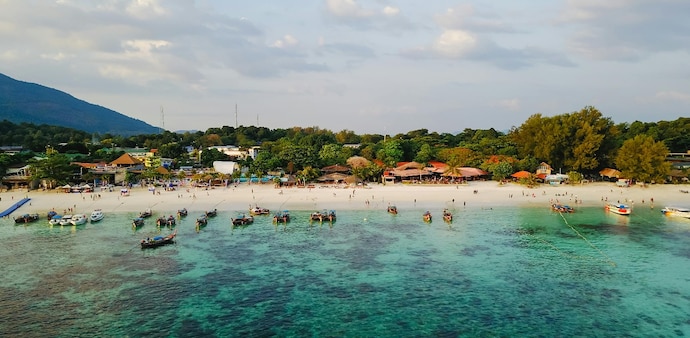
Thailand has long been a magnet for digital nomads, attracting remote workers with its beaches, affordable living, and vibrant culture. To formalise this trend, the country has launched the Destination Thailand Visa (DTV), a program designed to offer long-term flexibility and stability for professionals working remotely.
What is the Thailand Digital Nomad Visa?
The DTV is a five-year, multiple-entry visa allowing digital nomads to stay in Thailand for up to 180 days per entry, with an option to extend for an additional 180 days. This nearly year-long residency makes Thailand highly competitive among countries offering remote work visas, giving professionals the freedom to live and work legally while exploring the country.
Eligibility Requirements
Applicants must meet the following criteria:
-
Be at least 20 years old
-
Maintain a bank balance of at least 500,000 THB ($14,400 USD) for the previous three months
-
Be employed by a company outside Thailand, own a registered business, or operate as a freelancer with a professional portfolio
If you meet these conditions, you are eligible for the DTV.
How to Apply for the DTV
Gather Required Documents
1. Applicants need:
- A valid passport with six months’ validity and two blank pages
- Completed visa application form
- Recent passport-sized photo
- Proof of financial stability (bank statements)
- Proof of employment, business ownership, or freelance work
- Proof of residence
- Health insurance covering Thai visa requirements
2. Submit Your Application
Applications can be submitted:
- Online via the Thai e-Visa platform
- In-person at a Thai embassy or consulate
3. Attend an Interview or Provide Biometrics (if required)
4. Await Approval
Processing typically takes 4 to 8 weeks, after which the visa is stamped in your passport.
Tips for a Smooth Process
-
Ensure documents are accurate and up to date
-
Apply well in advance of your intended travel date
Advertisement -
Keep copies of submitted documents
-
Stay in contact with the consulate for updates
Benefits of the DTV
-
Legal work authorization for remote employment
-
Long-term stay flexibility with multiple entries
-
Access to services like healthcare and banking
-
Affordable cost of living with high-quality amenities
-
Diverse travel opportunities within Thailand
Costs to Consider
-
Visa fee: 10,000 THB (~$284 USD)
-
Health insurance: $300–$1,500 USD annually
-
Document notarization/translation: $50–$200 USD
-
Legal consultation (optional): $500–$1,500 USD
Tax Implications
-
Stay less than 180 days: No Thai tax on foreign income
-
Stay 180 days or more: Tax resident status, foreign income taxable if remitted the same year
The DTV positions Thailand as one of the most accessible and appealing destinations for digital nomads seeking long-term, legal, and flexible remote work options.
Thailand has long been a magnet for digital nomads, attracting remote workers with its beaches, affordable living, and vibrant culture. To formalise this trend, the country has launched the Destination Thailand Visa (DTV), a program designed to offer long-term flexibility and stability for professionals working remotely.
What is the Thailand Digital Nomad Visa?
The DTV is a five-year, multiple-entry visa allowing digital nomads to stay in Thailand for up to 180 days per entry, with an option to extend for an additional 180 days. This nearly year-long residency makes Thailand highly competitive among countries offering remote work visas, giving professionals the freedom to live and work legally while exploring the country.
Eligibility Requirements
Applicants must meet the following criteria:
-
Be at least 20 years old
-
Maintain a bank balance of at least 500,000 THB ($14,400 USD) for the previous three months
-
Be employed by a company outside Thailand, own a registered business, or operate as a freelancer with a professional portfolio
If you meet these conditions, you are eligible for the DTV.
How to Apply for the DTV
Gather Required Documents
1. Applicants need:
- A valid passport with six months’ validity and two blank pages
- Completed visa application form
- Recent passport-sized photo
- Proof of financial stability (bank statements)
- Proof of employment, business ownership, or freelance work
- Proof of residence
- Health insurance covering Thai visa requirements
2. Submit Your Application
Applications can be submitted:
- Online via the Thai e-Visa platform
- In-person at a Thai embassy or consulate
3. Attend an Interview or Provide Biometrics (if required)
4. Await Approval
Processing typically takes 4 to 8 weeks, after which the visa is stamped in your passport.
Tips for a Smooth Process
-
Ensure documents are accurate and up to date
-
Apply well in advance of your intended travel date
Advertisement -
Keep copies of submitted documents
-
Stay in contact with the consulate for updates
Benefits of the DTV
-
Legal work authorization for remote employment
-
Long-term stay flexibility with multiple entries
-
Access to services like healthcare and banking
-
Affordable cost of living with high-quality amenities
-
Diverse travel opportunities within Thailand
Costs to Consider
-
Visa fee: 10,000 THB (~$284 USD)
-
Health insurance: $300–$1,500 USD annually
-
Document notarization/translation: $50–$200 USD
-
Legal consultation (optional): $500–$1,500 USD
Tax Implications
-
Stay less than 180 days: No Thai tax on foreign income
-
Stay 180 days or more: Tax resident status, foreign income taxable if remitted the same year
The DTV positions Thailand as one of the most accessible and appealing destinations for digital nomads seeking long-term, legal, and flexible remote work options.