
These Schengen visa changes are coming your way soon: Check before making any Europe plans
Under the new cascade scheme, Indians are eligible for a five-year Schengen visa, streamlining access and offering extended stays across multiple European nations
- Aug 9, 2025,
- Updated Aug 9, 2025 9:11 AM IST
With the current holiday period winding down, many are already planning their next vacation, particularly to Schengen Area countries. For those navigating the constantly evolving visa application process, there’s some big news: the Schengen visa is set to become fully digital.
This shift, considered one of the most significant changes in years, will make visa processing faster and more efficient. France led the way by testing the system during the Paris Olympics, issuing 70,000 digital Schengen barcodes to visitors.
For Indian passport holders, this move represents a major breakthrough. Under the new cascade scheme, Indians are eligible for a five-year Schengen visa, streamlining access and offering extended stays across multiple European nations. Whether you're a student, first-time tourist, frequent flyer, or business traveller, this could be the best time to prepare your visa application.
What's changing?
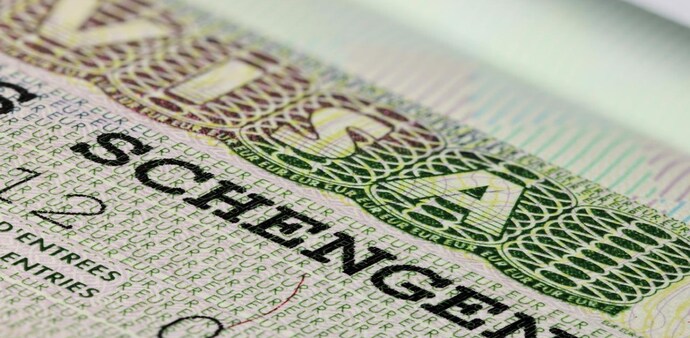
The most notable change is the transition from the traditional Schengen visa sticker to a secure, digital barcode-based visa. This barcode will be scanned at immigration points, eliminating the need for physical visa handling.
Why is this transition important?
Europe's push toward a tech-first approach is taking over border control as well. With the introduction of systems like EES and ETIAS, the digital Schengen visa is the logical next step. This system aims to reduce visa fraud, expedite the process, and improve tracking of entry and exit. The EU promises faster processing times, fewer embassy wait times, and a reduction in carbon footprints as part of its modernisation efforts.
When can you expect this?
Originally proposed in 2023 by the European Commission, the fully digital Schengen visa system will begin its phased rollout on October 12, 2025, across all 29 Schengen countries. Full implementation is expected by April 2026. However, during the transition, both digital and sticker-based visas will coexist, so it’s essential to stay updated, especially if applying for a multiple-entry visa.
Impact on wait times
While this change won’t eliminate wait times entirely, it will bring consistency and faster processing in the long run, making the entire visa experience more efficient.
What else should you be aware of?
Digital doesn’t mean error-free. It’s crucial to ensure your application meets all requirements and your supporting documents are up to date. Incomplete applications could be rejected, and multiple rejections may impact future approvals. Be sure to double-check any changes in guidelines, such as eligibility rules or biometric exceptions.
Updates for UAE residents
Indian residents applying for a Schengen visa to Switzerland will now need to ensure their documents are in perfect order, as VFS Global recently announced that only documents listed on the official checklist will be accepted.
How does the EES affect UAE residents?
The Entry/Exit System (EES), which goes live in October 2025, will replace passport stamps with biometric scans and automated checks. For UAE travellers, this means quicker e-gate processing, no more visa stickers, and smoother arrivals, as the system will record biometric details like fingerprints and facial scans.
With the current holiday period winding down, many are already planning their next vacation, particularly to Schengen Area countries. For those navigating the constantly evolving visa application process, there’s some big news: the Schengen visa is set to become fully digital.
This shift, considered one of the most significant changes in years, will make visa processing faster and more efficient. France led the way by testing the system during the Paris Olympics, issuing 70,000 digital Schengen barcodes to visitors.
For Indian passport holders, this move represents a major breakthrough. Under the new cascade scheme, Indians are eligible for a five-year Schengen visa, streamlining access and offering extended stays across multiple European nations. Whether you're a student, first-time tourist, frequent flyer, or business traveller, this could be the best time to prepare your visa application.
What's changing?
The most notable change is the transition from the traditional Schengen visa sticker to a secure, digital barcode-based visa. This barcode will be scanned at immigration points, eliminating the need for physical visa handling.
Why is this transition important?
Europe's push toward a tech-first approach is taking over border control as well. With the introduction of systems like EES and ETIAS, the digital Schengen visa is the logical next step. This system aims to reduce visa fraud, expedite the process, and improve tracking of entry and exit. The EU promises faster processing times, fewer embassy wait times, and a reduction in carbon footprints as part of its modernisation efforts.
When can you expect this?
Originally proposed in 2023 by the European Commission, the fully digital Schengen visa system will begin its phased rollout on October 12, 2025, across all 29 Schengen countries. Full implementation is expected by April 2026. However, during the transition, both digital and sticker-based visas will coexist, so it’s essential to stay updated, especially if applying for a multiple-entry visa.
Impact on wait times
While this change won’t eliminate wait times entirely, it will bring consistency and faster processing in the long run, making the entire visa experience more efficient.
What else should you be aware of?
Digital doesn’t mean error-free. It’s crucial to ensure your application meets all requirements and your supporting documents are up to date. Incomplete applications could be rejected, and multiple rejections may impact future approvals. Be sure to double-check any changes in guidelines, such as eligibility rules or biometric exceptions.
Updates for UAE residents
Indian residents applying for a Schengen visa to Switzerland will now need to ensure their documents are in perfect order, as VFS Global recently announced that only documents listed on the official checklist will be accepted.
How does the EES affect UAE residents?
The Entry/Exit System (EES), which goes live in October 2025, will replace passport stamps with biometric scans and automated checks. For UAE travellers, this means quicker e-gate processing, no more visa stickers, and smoother arrivals, as the system will record biometric details like fingerprints and facial scans.