
Delhi revises 'COVID 19 Response Plan': Here's how it will fight COVID
Delhi revises 'COVID 19 Response Plan': Here's how it will fight COVID
BusinessToday.In
- Jul 10, 2020,
- Updated Jul 10, 2020 10:03 AM IST
- 1/6
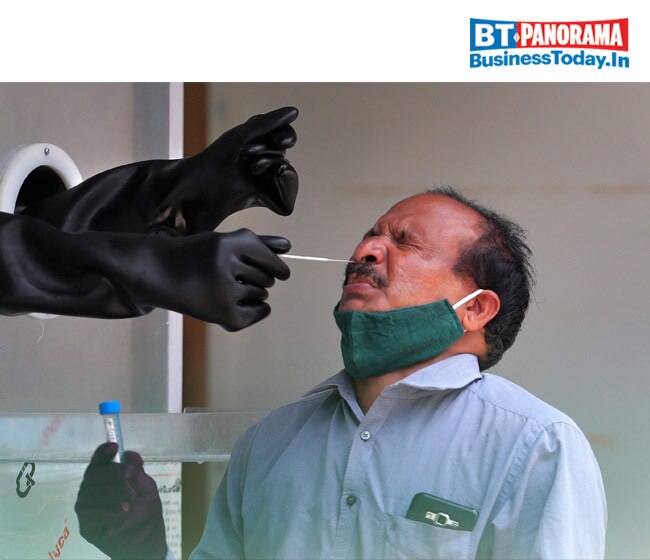
Delhi government has come up with a revised 'COVID 19 Response Plan'.According to it, the Delhi government will now start screening daily-wagers, domestic helps, auto drivers, and food suppliers for coronavirus. Here are the key steps it will take
- 2/6
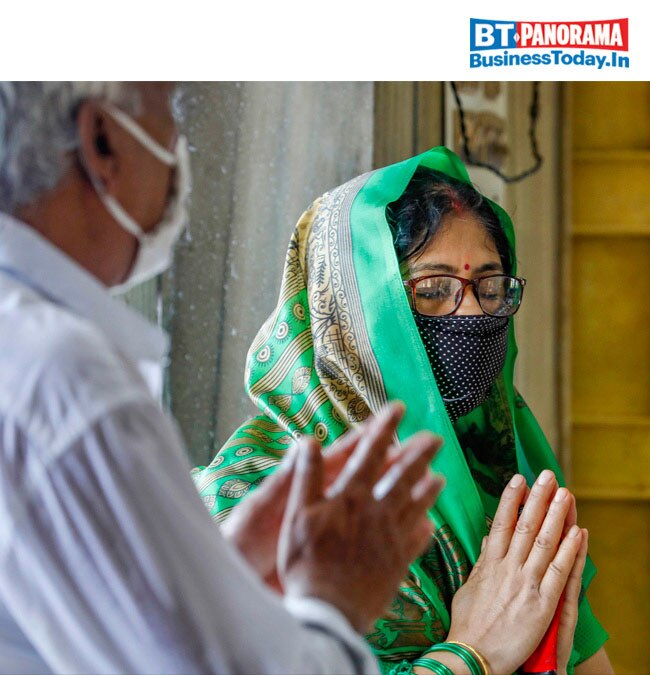
High-risk groupsAs per the revised COVID 19 response plan, screening of people in high-risk groups (HRGs), those above 60, will also be done. House-to-house surveys would be conducted in containment zones, buffer zones and areas with isolated cases.
- 3/6
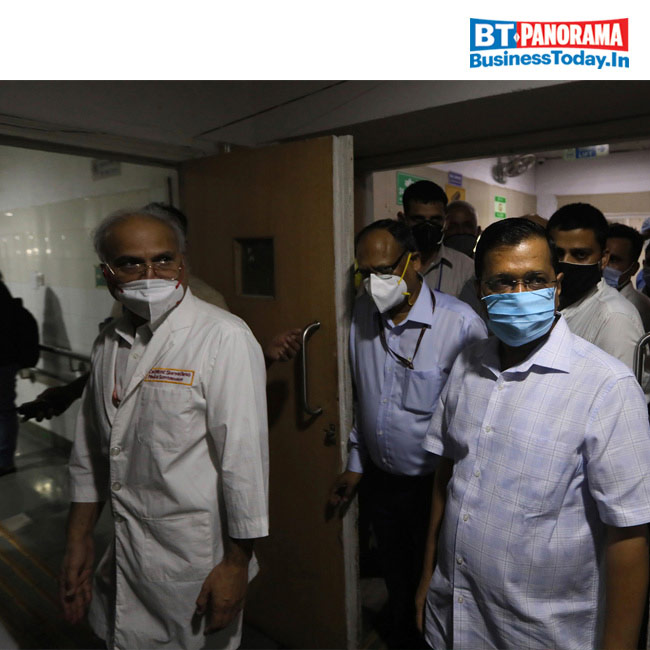
Why has the Response Plan been revised?The move to revise 'COVID 19 Response Plan' in the view of rising coronavirus cases in Delhi especially isolated cases. The government followed suggestions from the National Centre for Disease Control, NITI Aayog and Union Ministry of Health and Family Welfare.
- 4/6
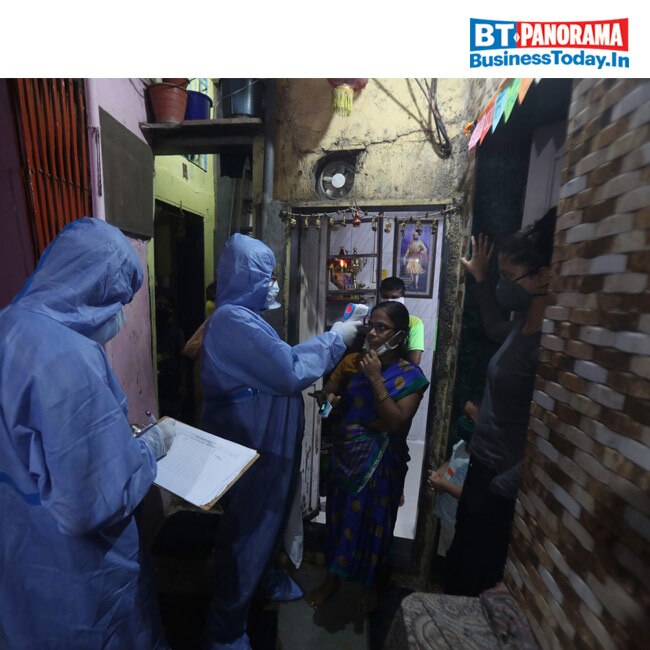
Special Surveillance GroupsAs per the new response plan, Special Surveillance Groups (SSGs) of electricians, plumbers, rickshaw pullers, auto driver, domestic helps, carpenters, those who deliver parcels, posts, and essentials will be enlisted. It will all be done with the help of municipal corporations, resident welfare associations and police. The Directorate General of Health Services (DGHS) has asked the districts to screen the SSGs.
- 5/6
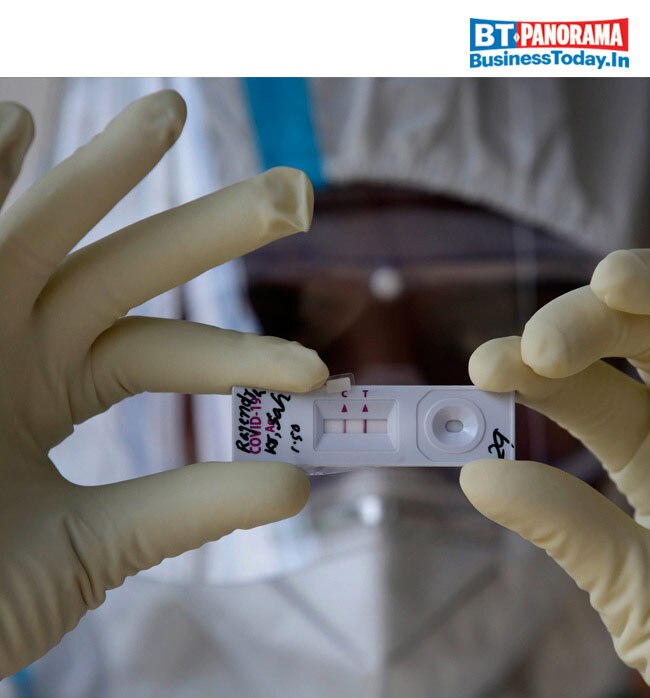
Testing positiveIf SSGs test positive, he/she should be taken care of as per the protocol. His/her workplace and home should immediately be disinfected alongside enhanced surveillance and aggressive contact tracing. The primary contacts should be traced and should be put into 15 days strict quarantine, DGHS said. Mass disinfection exercise will be carried out on a regular basis at places where SSGs met or connected. The HRGs should be isolated if their immediate contacts are found positive or symptomatic.
- 6/6
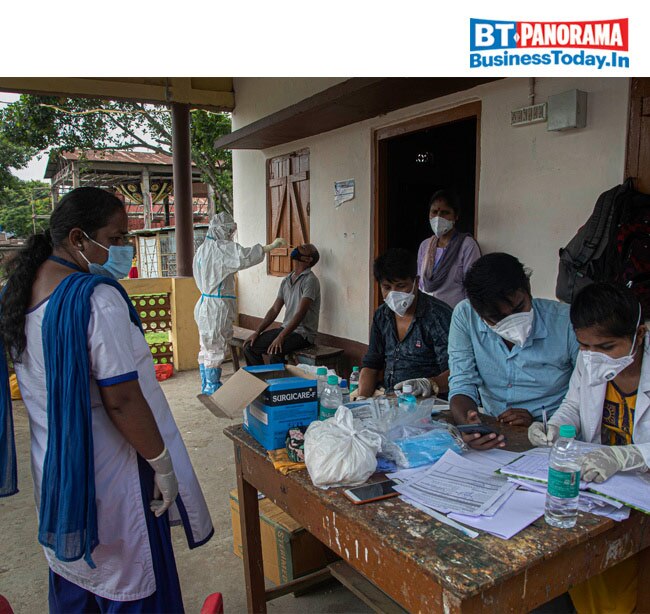
Contact tracing within 72 hrsThe District Surveillance Units have also been asked to make arrangements to collect details about areas reporting isolated cases for over 28 days. Aggressive and enhanced contact tracing would take place in these areas and will be completed within 72 hours.