
Filing your Income Tax Returns? Make a note of these changes
Filing your Income Tax Returns? Make a note of these changes
BusinessToday.In
- Jul 16, 2019,
- Updated Jul 16, 2019 7:06 PM IST

- 1/5
The deadline for filing your income tax returns is round the corner. The last date for filing ITRs for the FY19 is July 31. Tax returns can be filed easily online.We break it down to make tax return filing simpler.

- 2/5
Budget 2019 and ITRVarious measures announced in Budget 2019 will come into play when you file your ITR this year. The last date to file your income tax returns (ITRs) for 2018-19 is just a fortnight away. According to the Central Board of Direct Taxes (CBDT), about 1.10 crore new tax filers were added to the tax base during the fiscal.
- 3/5
Who needs to file tax returns?Filing ITRs is mandatory for all Indians, including NRIs, with a total income of over Rs 2.5 lakh, before permissible deductions under Sections 80C to 80U. The threshold for senior citizens (above 60 years) is Rs 3 lakh while that for super senior citizens - those aged 80 and above - is Rs 5 lakh.Income tax can also serve as a proof, when applying for a passport and taking a loan. Indian residents boasting assets or financial interests in an entity located outside of India and those who are signing authorities in foreign accounts, have to mandatorily file returns.In order to bring more people under the tax net, in Budget 2019 the government made ITRs mandatory for more categories of people from the next assessment year - those who have deposited more than Rs 1 crore in a bank account or bought foreign exchange of over Rs 2 lakh or paid an electricity bill of more than Rs 1 lakh.Apart from individuals, Hindu Undivided Families [HUFs], Association of Persons [AOPs], Body of individuals [BOIs], Firms, LLPs, companies, local authorities, political parties, educational or medical institutions and trade unions have to file returns.

- 4/5
What's different this year?All individual taxpayers are now required to file returns electronically, the sole exception being super senior citizens, who can choose to do so in paper form.The Form 16 has also been beefed up. Previously, it used to mention gross salary but not the details of tax-exempt allowances and perquisites. Employers now have to provide a detailed break-up of all components, including remuneration received from former employer/s and all tax-related deductions availed of by the employee.The Income Tax Department will now provide pre-filled ITR-1 forms. These forms will have your salary, FD interest income and TDS details. You will have to share greater details of capital gains from selling equity shares, equity mutual funds or property. In case of sale of property, you will have to furnish complete details of the buyer. Moreover, taxpayers with overseas earnings and foreign assets will have to provide full details of the same. The aim of these measures is to minimise tax evasion.For 'resident and ordinarily resident' (ROR), the foreign bank account details have been re-framed to include information about foreign custodian, depository, equity and debt interest accounts.
- 5/5
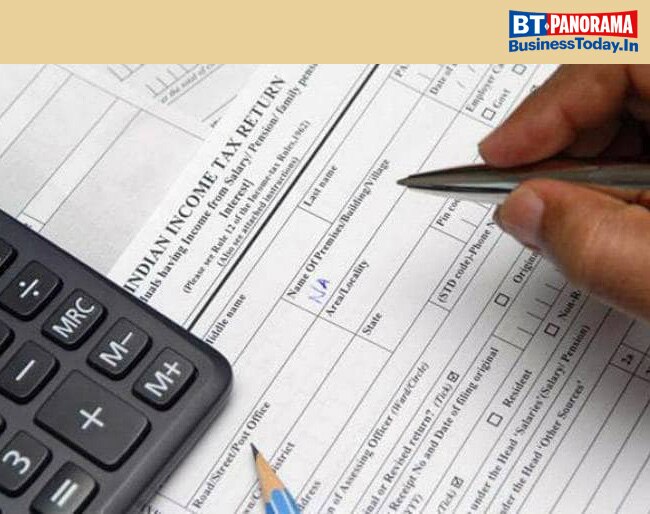
How to file ITR online?The first thing to understand is which form is applicable to you. For instance, if you are a salaried individual earning less than Rs 50 lakh (income from other sources and one house property are allowed in this case) can file ITR-1, so long as you are not the director of a company, have not held shares of an unlisted company during the financial year and do not own foreign assets.On the other hand, a self-employed individual will have to file ITR using the ITR-3 or ITR-4 form, depending on the type of income in FY 2018-19.If you fill the wrong form, your filing will be rejected and you may even get a notice regarding the same from the tax department.