
What India can learn from countries fighting air pollution menace
What India can learn from countries fighting air pollution menace
BusinessToday.In
- Oct 22, 2018,
- Updated Oct 14, 2019 12:29 PM IST
- 1/8
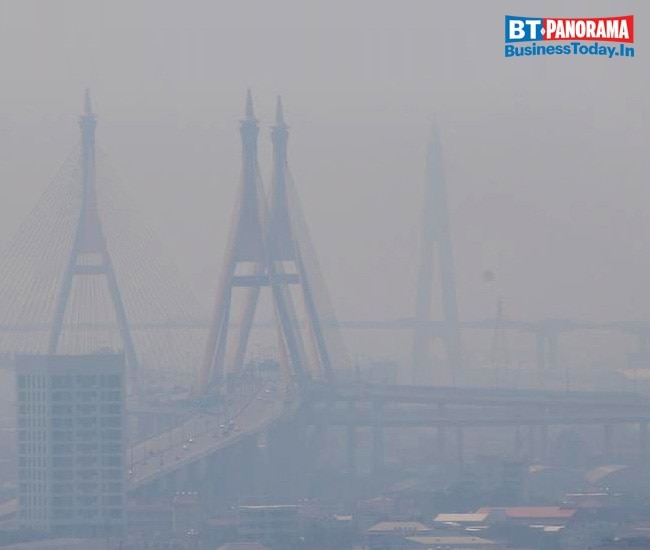
The threat of air pollutionAir pollution causes 5.5 million deaths globally every year. WHO has described it as a greater threat to the world population than malaria and HIV combined. Different methods are being used globally to fight air pollution. Here's how these countries fight the menace.
- 2/8
China
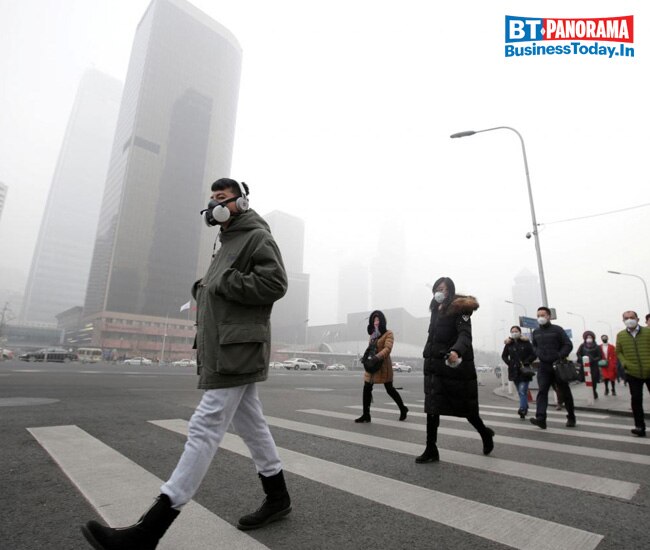
In the Chinese city of Xi'an, an enormous air-purifying tower has been constructed. To replace coal, the country is rolling out the world's biggest investment in wind and solar power. The national government announced closure or cancellation of 103 coal-fired power plants, capable of generating a total of more than 50 gigawatts of power. It has also built a nationwide network of monitors tracking levels of PM 2.5, the data from those monitors being publicly available. Citizens can now check local air quality in real time on their smartphones, see whether a particular facility is breaching emissions limits, and report violators to local enforcement agencies through social media
- 3/8
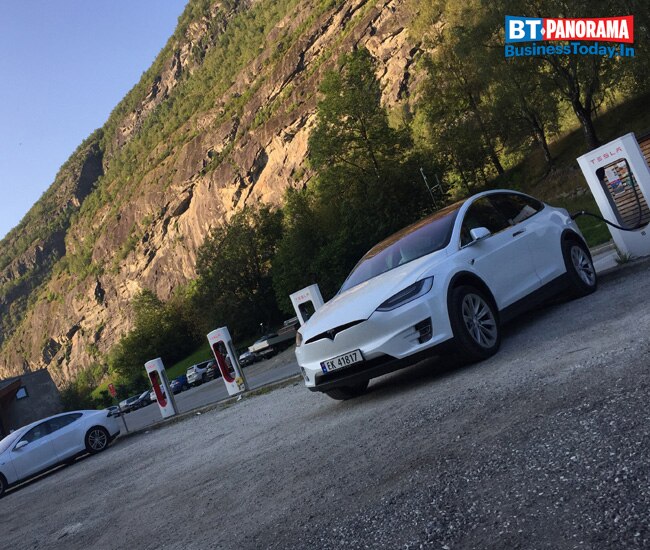
NorwayNorway actively promotes the purchase of electric vehicles. Incentives such as purchase tax and VAT exemptions, as well as bus lanes access and exemptions from road tolls, have given the required push to the increased electric vehicle ownership. In 2015 a quarter of all new vehicle sales were electric.
- 4/8
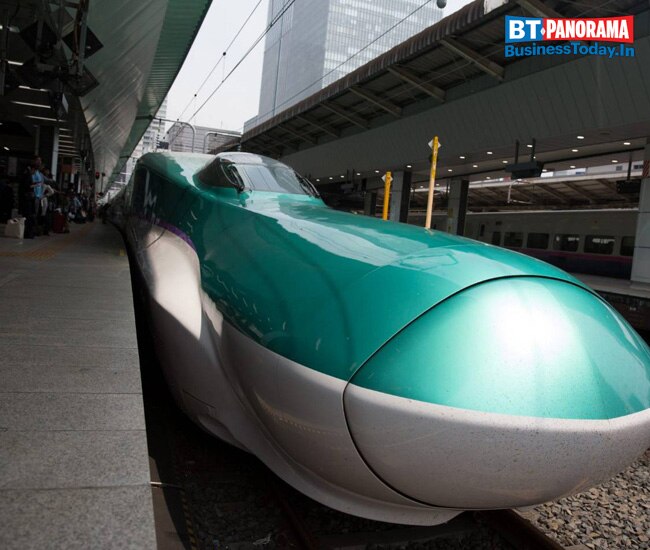
JapanJapan's four major islands, Honshu, Hokkaido, Kyushu and Shikoku, are covered by an extensive and reliable network of railways. 72% of passenger-km in Japan is by rail, while only 13% is by motor vehicles. Globally, the country has the fourth highest distance travelled by passengers on railways in a year (after India, China and the European Union). It is a cheaper and faster option compared to driving within major cities. Tokyo is also increasing the number of bicycle lanes to encourage cycling; 16% of commuters already use bicycles. There is a Cycling Embassy of Japan to further promote cycling.
- 5/8
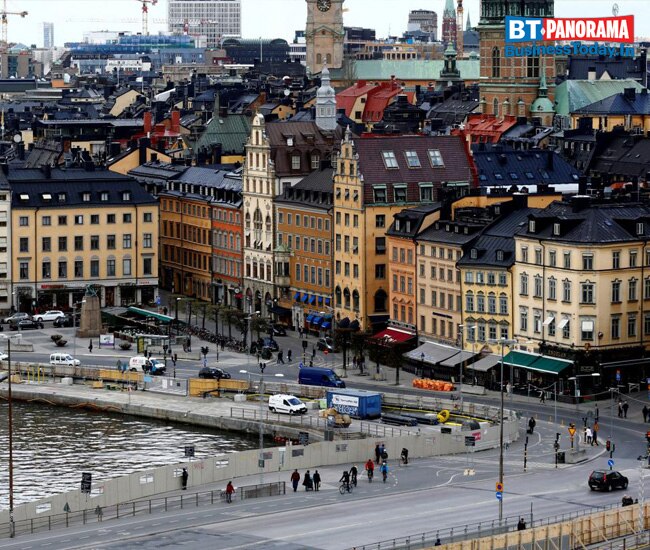
SwedenIn Sweden, potential air pollution impacts are a factor taken into account when issuing industrial permits. In addition, a sulphur tax is charged for electricity and heat production from sulphur containing fuels. The tax can be reduced if the sulphur emissions are mitigated through exhaust emission control systems
- 6/8
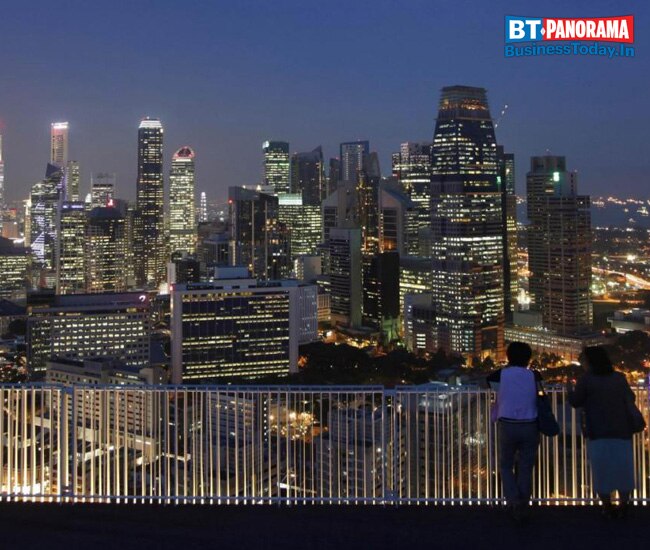
SingaporeSingapore provides tax incentives to encourage the change to cleaner, energy efficient equipment and to install pollution control equipment. In order to monitor air pollution emissions from stationary sources, there are industrial CCTV systems and telemetric in-stack continuous monitoring systems. Air quality data is updated hourly on the National Environment Agency's website.
- 7/8
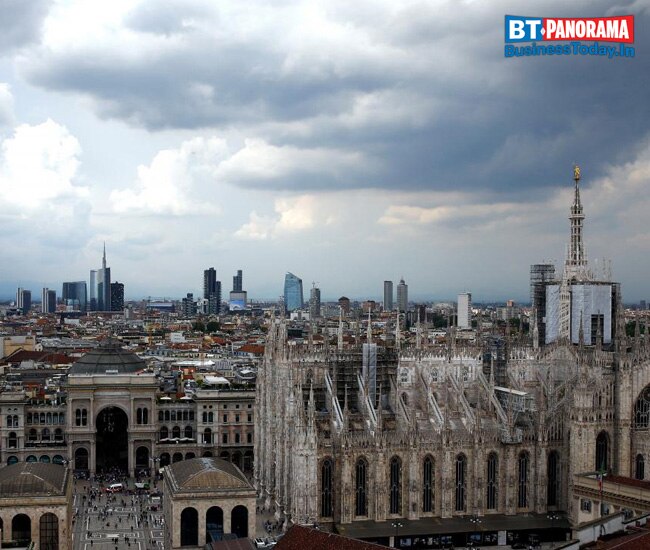
ItalyIn the last decade, the District of Caterina, Italy has been able to increase its waste recycling rate from 35% to over 80%. The District was also the pioneer in waste separation at source, and has instituted several waste prevention policies. Among them is the "pay as you throw" policy, where the cost of waste collection varies depending on the amount of waste generated.
- 8/8
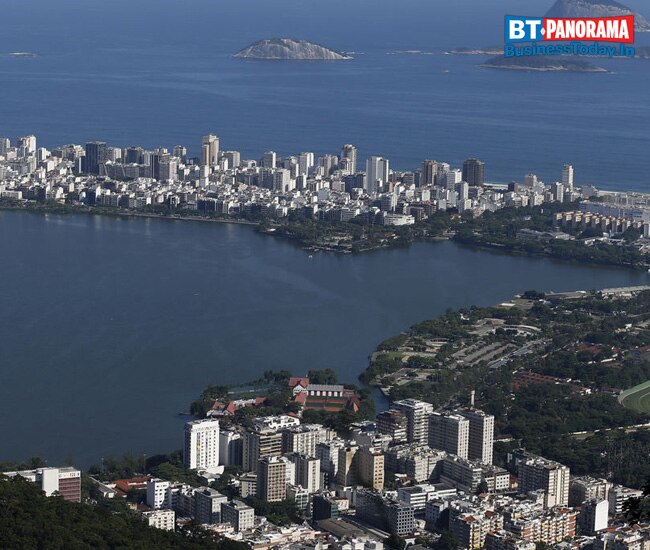
BrazilBrazil's national emission standards were applied retroactively to older industrial facilities, including boilers, electrical turbines, oil refineries, steel mills, aluminium smelters, lead foundries, cement kilns and fertiliser factories. The Brazilian Energy Efficiency Programme requires electricity producers to spend 0.5% of their net income in energy efficiency projects. Brazil has several regulatory, institutional and economic incentives to encourage investments in renewable energy especially wind, solar and mini hydro.