
Dhanteras 2026: Buying silver marked 925 or 999? Here's how purity affects price, quality and resale value
Buying silver this Dhanteras? Whether you choose jewellery, coins or bars, understanding the difference between 925 and 999 purity is crucial. Here's how silver purity affects pricing, durability and resale value, and how to verify hallmarking before making a purchase.
- Nov 6, 2026,
- Updated Nov 6, 2026 3:41 PM IST
Silver prices declined nearly 2% on Dhanteras 2026, attracting attention from buyers looking to purchase coins, jewellery and utensils. However, not all silver products contain the same amount of precious metal. Understanding the difference between 925 and 999 purity can help consumers make better purchasing decisions.
Silver prices fell sharply on Friday, November 6, as investors assessed global economic uncertainty and the outlook for US interest rates. On the Multi Commodity Exchange (MCX), December silver futures declined 1.93% to ₹1,83,523 per kilogram at 11:13 AM, down ₹3,617.
The contract touched an intraday low of ₹1,82,800 and a high of ₹1,85,499. In the retail market, silver was quoted at ₹1,89,408 per kilogram in Delhi and ₹1,89,337 in Mumbai.
With Dhanteras traditionally associated with purchasing precious metals, consumers should look beyond prevailing prices and understand the purity of the silver they are buying.
What is the difference between 925 and 999 silver?
The Bureau of Indian Standards (BIS) recognises eight silver fineness grades: 800, 835, 900, 925, 958, 970, 990 and 999.
These markings indicate the amount of pure silver present in an article.
925 silver, commonly called sterling silver, contains 92.5% pure silver and 7.5% other metals, usually copper. The alloy makes jewellery stronger and more suitable for regular use.
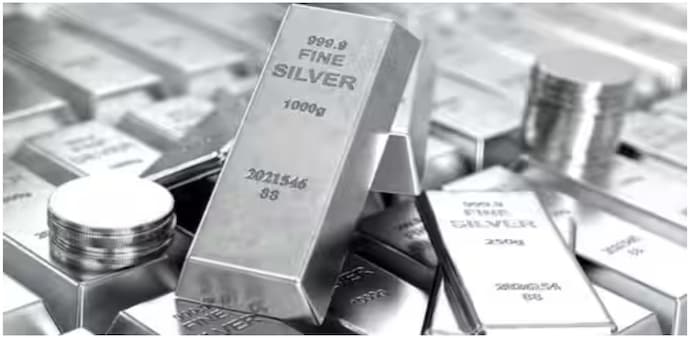
999 silver, also called fine silver, contains 99.9% pure silver. It is commonly preferred for investment-oriented coins and bars because of its higher precious-metal content.
However, 999 silver is relatively soft and more susceptible to scratches and bending.
MUST READ: Dhanteras 2026: Should you buy gold & silver after recent sharp correction?
925 vs 999 silver: Which should you buy?
For earrings, bracelets, rings and necklaces intended for everyday wear, 925 sterling silver is generally more practical because of its durability.
For silver coins, bars and purchases intended primarily to preserve metal value, 999 silver is usually the preferred option.
However, purity alone does not determine investment returns. Making charges, retailer premiums and resale deductions can significantly affect the final value.
How does purity affect silver prices?
Consider a hypothetical reference price of ₹1,89,000 per kilogram for pure silver.
A 100-gram article containing 925 silver would have approximately ₹17,483 worth of silver, compared with ₹18,881 for a similar article containing 999 silver.
DO READ: Buying gold this Dhanteras? Quick-commerce apps offer free silver, but there's a catch
The difference is approximately ₹1,398 before making charges, GST and other costs.
How to check silver hallmarking
Silver hallmarking remains voluntary in India. However, HUID identification became mandatory for silver articles sold as hallmarked from September 1, 2025.
Consumers should check three markings: the BIS logo accompanied by 'SILVER', the purity grade and the six-digit alphanumeric Hallmark Unique Identification (HUID) number.
The HUID can be verified through the free BIS Care app.
According to government data, more than 90 lakh silver articles have received HUID numbers, allowing buyers to verify their recorded hallmarking details before purchase.