
Someone misused your PAN? How to check for fake transactions and tax liabilities
The case highlights why taxpayers should regularly check their tax records, investigate unfamiliar transactions and respond promptly to notices, even when the reported income appears unrelated to their financial circumstances.
- Oct 21, 2026,
- Updated Oct 21, 2026 5:00 AM IST
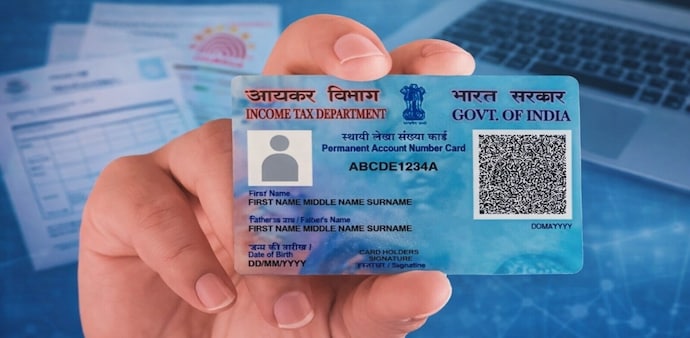
A Permanent Account Number (PAN) misuse can leave taxpayers facing unexpected income tax demands for transactions they never conducted. In a case reported by The Economic Times, the Delhi High Court recently cancelled a tax demand of nearly ₹4 crore against a contractual cook at Hotel Ashoka after authorities attributed ₹24.62 crore in alleged cash sales by a packaging materials company to his PAN without independent evidence linking him to the transactions.
The case highlights why taxpayers should regularly check their tax records, investigate unfamiliar transactions and respond promptly to notices, even when the reported income appears unrelated to their financial circumstances.
How a cook received a ₹4 crore tax demand
According to the report, Lalit received an income tax notice on February 26, 2024, alleging that he had made cash sales worth ₹24.62 crore through a packaging materials company. The department sought nearly ₹4 crore in tax, along with a penalty for under-reporting income.
Lalit earned a modest salary well below the taxable income threshold. When he checked his Form 26AS, he found the disputed sales recorded against his PAN, with 1% tax deducted at source (TDS) on the amount.
He approached Greater Kailash Police Station and the Delhi Police Cyber Cell in Saket to lodge complaints alleging identity theft. He maintained that he had never conducted the transactions and had no connection with the packaging business.
His lawyer, A.K. Babbar, argued that Lalit had worked as a contractual employee at Hotel Ashoka and Vigyan Bhawan and had previously shared copies of his PAN card with contractors for verification. The lawyer contended that the appearance of a PAN in tax records could not, by itself, establish that the transactions belonged to the taxpayer.
The Assessing Officer reportedly directed Lalit to pay the demand or challenge the assessment before the appropriate authority. The appeal route posed a substantial financial hurdle because the pre-deposit was approximately ₹78 lakh.
Why the Delhi High Court cancelled the demand
On October 6, 2026, the Delhi High Court quashed the tax demand, according to The Economic Times. The court found that the assessment relied on Form 26AS and portal information without independent verification connecting Lalit to the alleged sales.
The Income Tax Department could not establish that it had independently investigated the packaging company or recorded its owner's statement. The court also noted that the assessment had counted gross and net figures of the same transaction twice.
The judges observed that Lalit's employment history, financial circumstances and explanation about withdrawing provident fund savings and seeking an economically weaker section (EWS) certificate warranted objective scrutiny. The court left open the possibility of fresh proceedings if incriminating evidence emerged within the applicable legal limits.
How to check for PAN misuse
Taxpayers should regularly review their Annual Information Statement (AIS) and Form 26AS for unfamiliar transactions, TDS entries or high-value receipts. Individuals should also use the GST portal's “Search by PAN” facility to identify unauthorised GST registrations.
If suspicious activity appears, file a police and cybercrime complaint, notify the jurisdictional tax authorities in writing, preserve acknowledgements and retain bank statements, salary records and other supporting documents. Respond to every tax notice within the deadline and request the evidence underlying the disputed transaction.
If authorities ignore the evidence or violate due process, seek advice from a tax professional or lawyer about available remedies, including an appeal or, in appropriate cases, a High Court petition.
Lalit's case underscores the importance of monitoring tax records: an unfamiliar entry should be investigated promptly before it escalates into a substantial demand.