
Sudden rains, flooded roads: Which motor insurance add-ons can protect your car from expensive repairs?
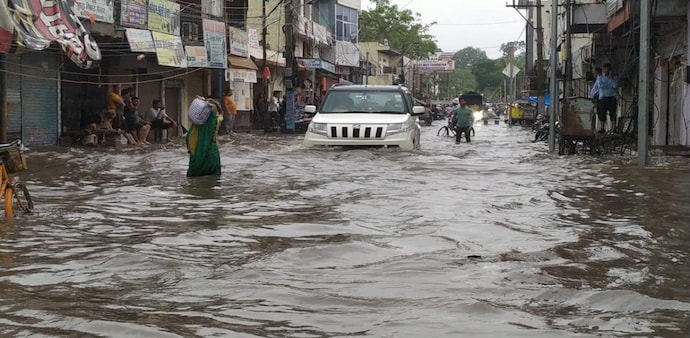
Sudden downpours and localised flooding can leave car owners facing hefty repair bills, even outside the traditional monsoon season. Here’s what motor insurance covers and which add-ons can help protect against water-related engine damage and breakdowns.
- Oct 26, 2026,
- Updated Oct 26, 2026 1:30 AM IST
Sudden downpours and localised flooding can leave motorists facing unexpected repair bills even outside the traditional monsoon season. As weather patterns become increasingly unpredictable, car owners need to understand what their motor insurance covers and whether additional protection is necessary.
For a 34-year-old software engineer commuting through Bengaluru, a sudden spell of heavy rain can turn familiar roads into waterlogged stretches. If the car stalls in floodwater and requires towing and repairs, the cost of damage could depend significantly on the insurance policy and add-ons purchased.
A comprehensive motor insurance policy generally covers accidental damage to the insured vehicle, including eligible losses caused by natural calamities such as floods. However, coverage for engine damage resulting from water ingress can be subject to specific exclusions.
Gaurav Arora, Chief – Commercial Lines & Motor (Underwriting & Claims) at ICICI Lombard, said many customers assume that a standard comprehensive motor insurance policy covers all types of flood-related damage, including engine repairs.
“However, damage caused by water ingress or hydrostatic lock is typically not covered under base policy, as it is treated as a consequential loss,” Arora said.
Hydrostatic lock occurs when water enters the engine's combustion chamber and prevents the piston from moving normally. Attempting to restart a vehicle that has stalled in water can aggravate the damage, potentially resulting in expensive engine repairs or replacement.
Motorists should avoid cranking the engine after water exposure and arrange for professional assistance to assess the damage.
Which add-ons should car owners consider?
An Engine Protection Add-on can help bridge the coverage gap by covering eligible engine repair costs arising from water seepage, subject to the policy's terms, conditions and exclusions. The cover can be particularly useful for motorists living in flood-prone localities or those driving high-value vehicles.
Roadside assistance is another option worth considering. ICICI Lombard offers its Service Assure – Roadside Assistance (RSA) cover for both internal combustion engine (ICE) vehicles and electric vehicles (EVs).
RSA can provide support when a vehicle breaks down or becomes stranded, making it useful during sudden downpours when flooded roads can disrupt commutes and increase towing requirements. The services and limits available depend on the selected plan.
ICICI Lombard also engages with customers through proactive alerts based on forecasts issued by credible authorities, helping them prepare for adverse weather conditions.
What should motorists check?
Car owners should review their existing policies to understand the coverage available for flood-related damage, engine repairs and towing. They should also check whether engine protection and roadside assistance are included or need to be purchased separately.
With sudden rainfall and localised flooding capable of disrupting daily commutes at any time of the year, reviewing motor insurance coverage before the next spell of extreme weather could help motorists avoid unexpected repair expenses.