
‘Very costly affair’: MP CM Mohan Yadav on Ladli Behna scheme’s ₹1,500 monthly payout
‘Very costly affair’: MP CM Mohan Yadav on Ladli Behna scheme’s ₹1,500 monthly payout
MP Chief Minister Mohan Yadav’s remarks on the Ladli Behna scheme have put the spotlight on the rising cost of the state’s flagship women-focused welfare programme. Launched in 2023 with a ₹1,000 monthly payout, the scheme now provides ₹1,500 a month to eligible women, with the beneficiary base also undergoing changes.
Business Today Desk
- Oct 6, 2026,
- Updated Oct 6, 2026 12:55 PM IST
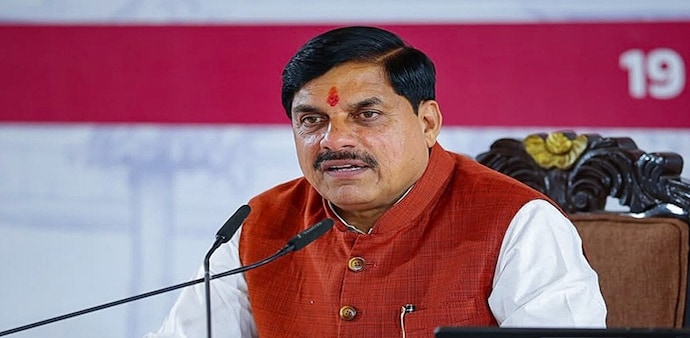
Madhya Pradesh Chief Minister Mohan Yadav has described the government’s flagship Ladli Behna scheme as a “very costly affair”, highlighting the growing fiscal burden of the monthly cash-transfer programme that has become a key pillar of the BJP’s welfare strategy in the state.
Speaking at a Bundeli Samagam at Ravindra Bhavan in Bhopal, Yadav made the remark during a light-hearted interaction with Bundeli content creator Binnu Rani from Chhatarpur. Rani asked what the government planned to do for “Binnus”, or daughters, after providing financial assistance to their “Jijjis”, or sisters, through the Ladli Behna scheme.
Advertisement
“Binnu, this is an insider matter. I had no idea that becoming Chief Minister would entail such a heavy financial hit,” Yadav said.
He added that the scheme had started with a monthly payment of ₹1,000 and was subsequently increased despite financial difficulties. “Now we are providing up to Rs 1,500. Don't worry. You are currently too young to qualify for Ladli Behna. Grow up a little more, and then we will give it to you,” he said.
At the current monthly assistance of ₹1,500, the scheme is estimated to cost the state exchequer about ₹22,680 crore annually, assuming roughly 1.26 crore beneficiaries.
From ₹1,000 to ₹1,500 monthly assistance
The Mukhyamantri Ladli Behna Yojana was announced by the then Chief Minister Shivraj Singh Chouhan on January 28, 2023, ahead of the Madhya Pradesh Assembly elections. It was formally launched on March 5, with the first instalment transferred in June 2023.
Advertisement
Women initially received ₹1,000 a month. The amount was later raised to ₹1,250 and then to ₹1,500 in November 2025.
The BJP had also promised to eventually increase the monthly assistance to ₹3,000 over five years, which would substantially raise the scheme’s fiscal cost if implemented fully.
Beneficiary base has been shrinking
Despite the increase in the monthly payout, the number of beneficiaries has declined. More than 6.25 lakh women have exited the beneficiary pool since the scheme was introduced, while fresh registrations remain closed.
More than 1.31 crore women were covered in October 2023. By January 2026, the number had fallen to around 1.25 crore and declined further by September. Beneficiaries are removed after turning 60, upon death or when they no longer satisfy eligibility criteria. However, the absence of fresh registrations means newly eligible women cannot enter the scheme.
Advertisement
The issue has also come up in the Madhya Pradesh Assembly, where Congress MLA Mahesh Parmar sought clarity on reopening registrations. Women and Child Development Minister Nirmala Bhuria said no timeframe could be given.
At launch, the government received more than 1.31 crore applications. Following scrutiny and objections, over 2.18 lakh names were removed, leaving around 1.29 crore eligible beneficiaries. The first instalment cost the government ₹1,143.15 crore.
Madhya Pradesh Chief Minister Mohan Yadav has described the government’s flagship Ladli Behna scheme as a “very costly affair”, highlighting the growing fiscal burden of the monthly cash-transfer programme that has become a key pillar of the BJP’s welfare strategy in the state.
Speaking at a Bundeli Samagam at Ravindra Bhavan in Bhopal, Yadav made the remark during a light-hearted interaction with Bundeli content creator Binnu Rani from Chhatarpur. Rani asked what the government planned to do for “Binnus”, or daughters, after providing financial assistance to their “Jijjis”, or sisters, through the Ladli Behna scheme.
Advertisement
“Binnu, this is an insider matter. I had no idea that becoming Chief Minister would entail such a heavy financial hit,” Yadav said.
He added that the scheme had started with a monthly payment of ₹1,000 and was subsequently increased despite financial difficulties. “Now we are providing up to Rs 1,500. Don't worry. You are currently too young to qualify for Ladli Behna. Grow up a little more, and then we will give it to you,” he said.
At the current monthly assistance of ₹1,500, the scheme is estimated to cost the state exchequer about ₹22,680 crore annually, assuming roughly 1.26 crore beneficiaries.
From ₹1,000 to ₹1,500 monthly assistance
The Mukhyamantri Ladli Behna Yojana was announced by the then Chief Minister Shivraj Singh Chouhan on January 28, 2023, ahead of the Madhya Pradesh Assembly elections. It was formally launched on March 5, with the first instalment transferred in June 2023.
Advertisement
Women initially received ₹1,000 a month. The amount was later raised to ₹1,250 and then to ₹1,500 in November 2025.
The BJP had also promised to eventually increase the monthly assistance to ₹3,000 over five years, which would substantially raise the scheme’s fiscal cost if implemented fully.
Beneficiary base has been shrinking
Despite the increase in the monthly payout, the number of beneficiaries has declined. More than 6.25 lakh women have exited the beneficiary pool since the scheme was introduced, while fresh registrations remain closed.
More than 1.31 crore women were covered in October 2023. By January 2026, the number had fallen to around 1.25 crore and declined further by September. Beneficiaries are removed after turning 60, upon death or when they no longer satisfy eligibility criteria. However, the absence of fresh registrations means newly eligible women cannot enter the scheme.
Advertisement
The issue has also come up in the Madhya Pradesh Assembly, where Congress MLA Mahesh Parmar sought clarity on reopening registrations. Women and Child Development Minister Nirmala Bhuria said no timeframe could be given.
At launch, the government received more than 1.31 crore applications. Following scrutiny and objections, over 2.18 lakh names were removed, leaving around 1.29 crore eligible beneficiaries. The first instalment cost the government ₹1,143.15 crore.
Read more!