
A radio flash from when the universe was only 3 billion years old: How Webb found the tiny galaxy behind it
Webb traced FRB 20240304B to a small galaxy from the universe’s early years. Explore how the burst was detected, what its young stars suggest and why its precise origin remains unconfirmed.
- Oct 14, 2026,
- Updated Oct 14, 2026 8:00 AM IST
- 1/7
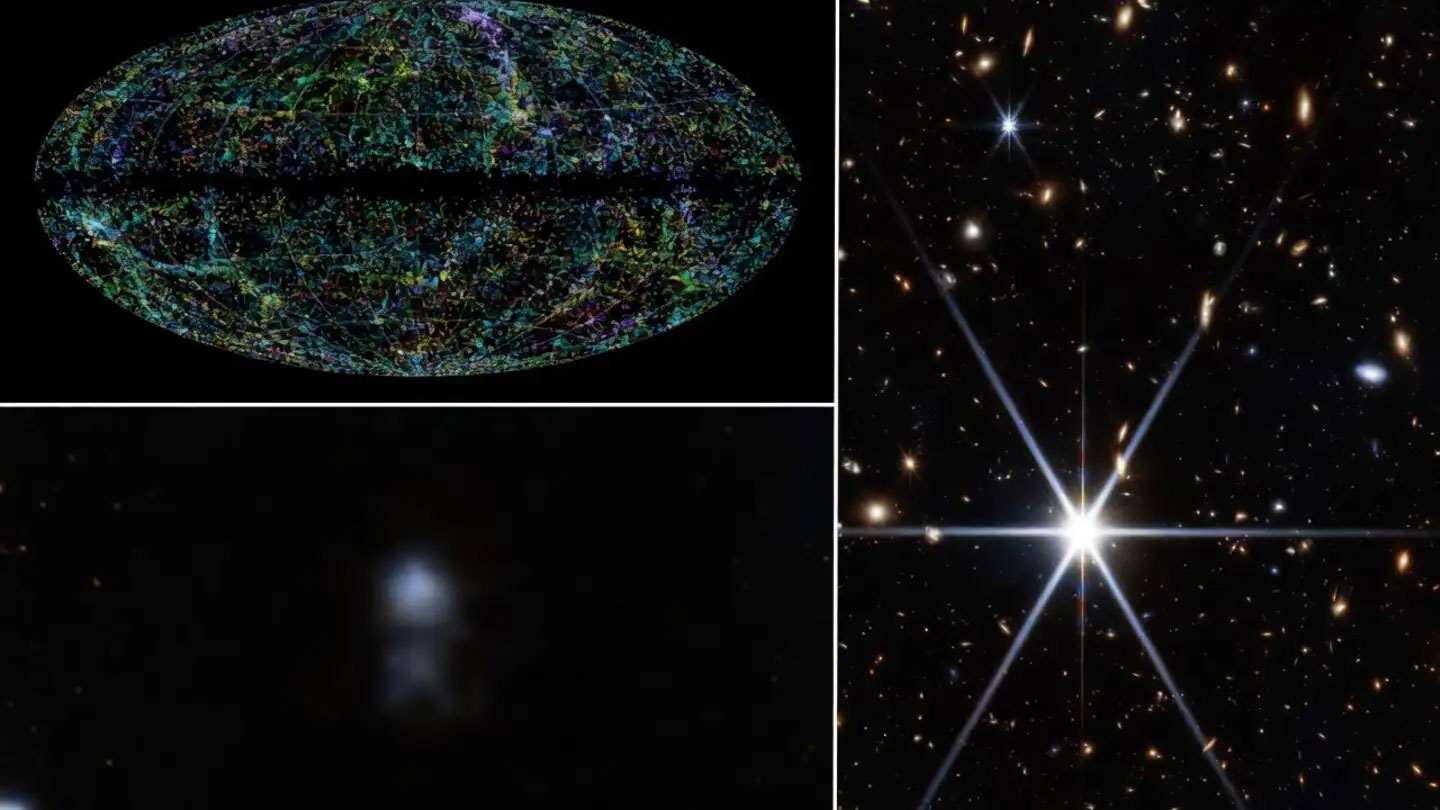
Astronomers have identified the host of the most distant fast radio burst known to date. FRB 20240304B came from an epoch when the universe was only about three billion years old. Locating its galaxy lets researchers investigate the environment that produced the signal.
- 2/7
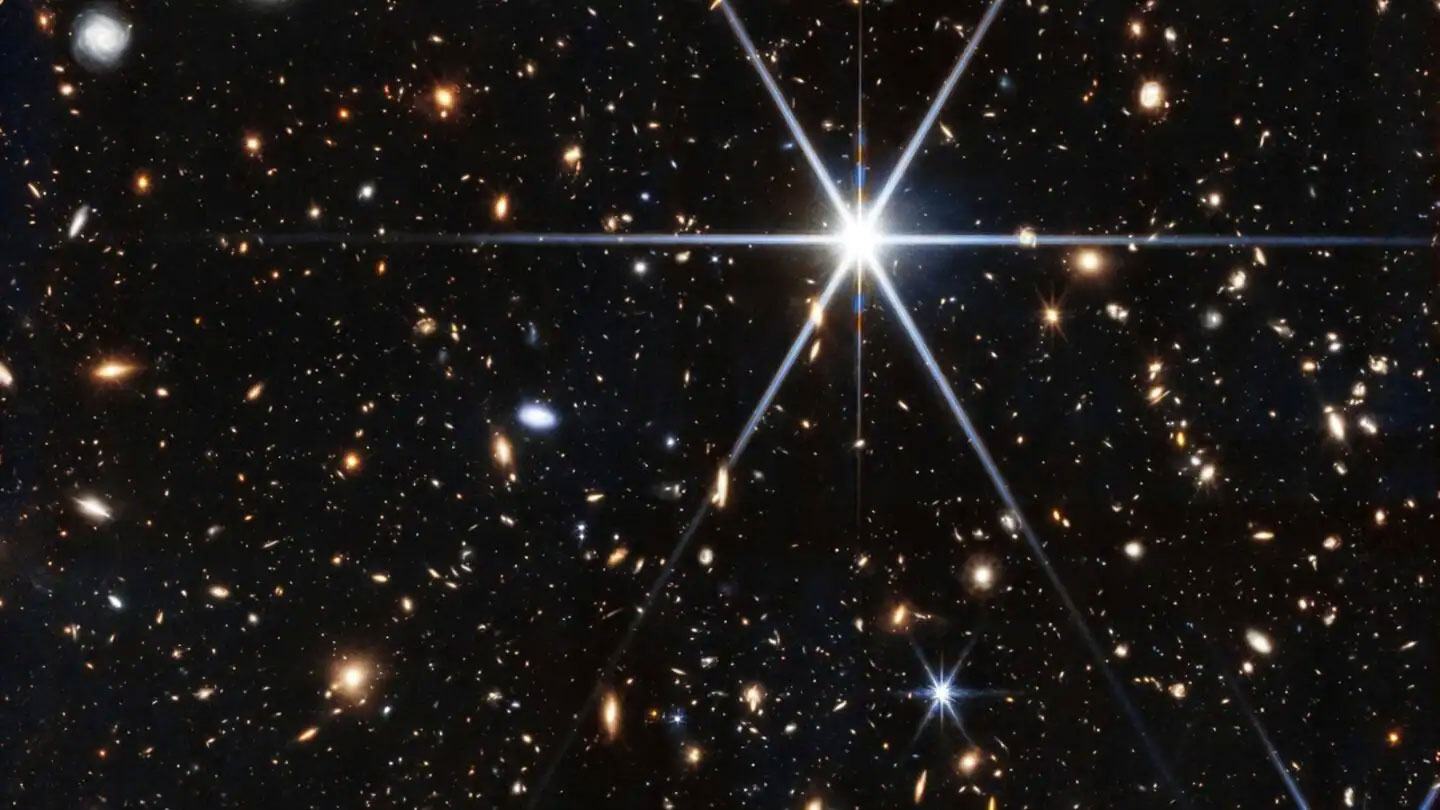
An FRB is an intense, extremely brief flash of radio emission. The term describes an observed astronomical signal; it does not identify the object that generated it. Understanding that distinction matters because astronomers can measure a burst accurately while still debating its physical cause.
- 3/7
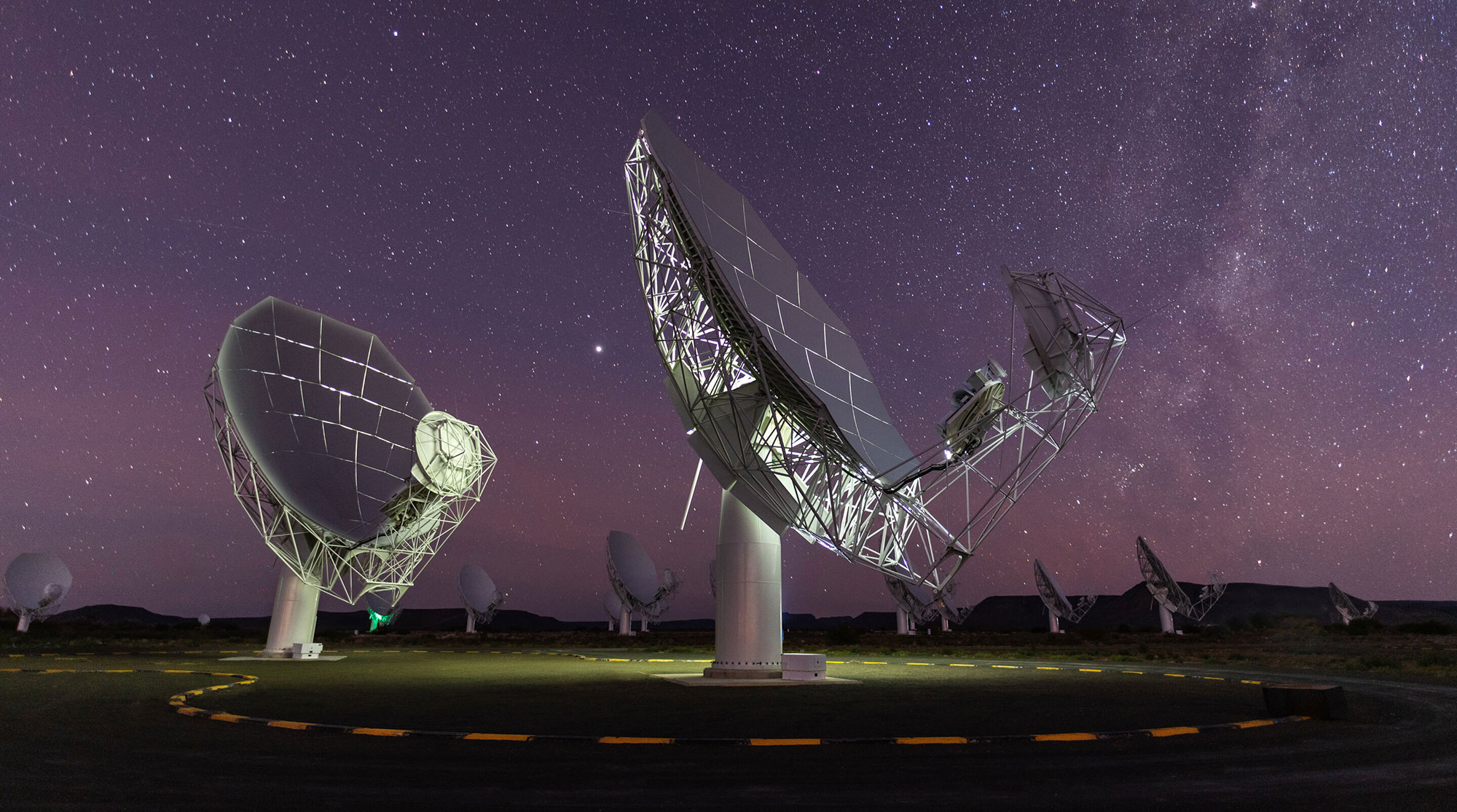
South Africa’s MeerKAT radio telescope detected this burst on March 4, 2024. The host-galaxy findings were published in Science on October 8, 2026. The current story concerns the research and its implications, rather than a new radio signal arriving on the day of publication.
- 4/7
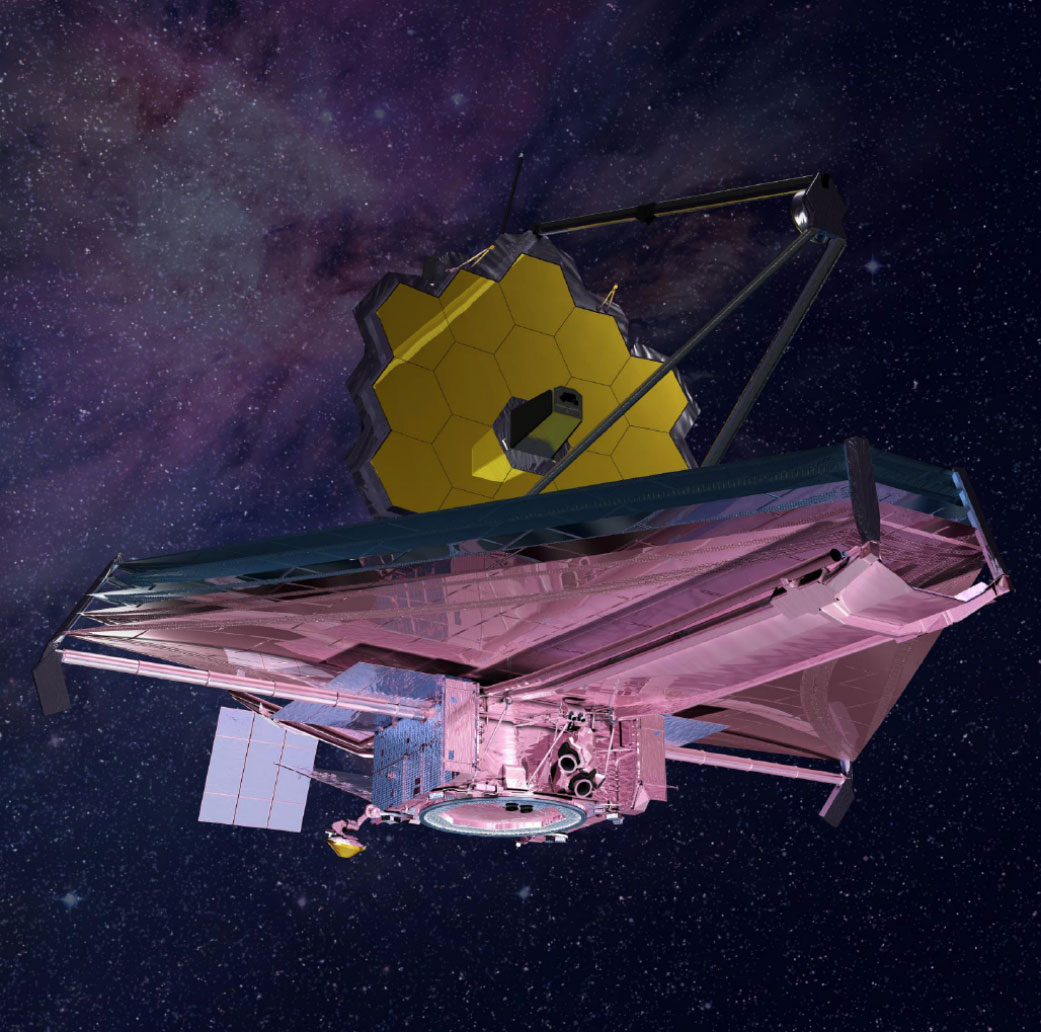
Ground-based observations could not reveal a galaxy at the burst’s precise location. Webb’s NIRCam detected it, and NIRSpec measured a redshift of 2.148. Redshift records how cosmic expansion stretches light, helping researchers establish where the galaxy belongs in the universe’s history.
- 5/7
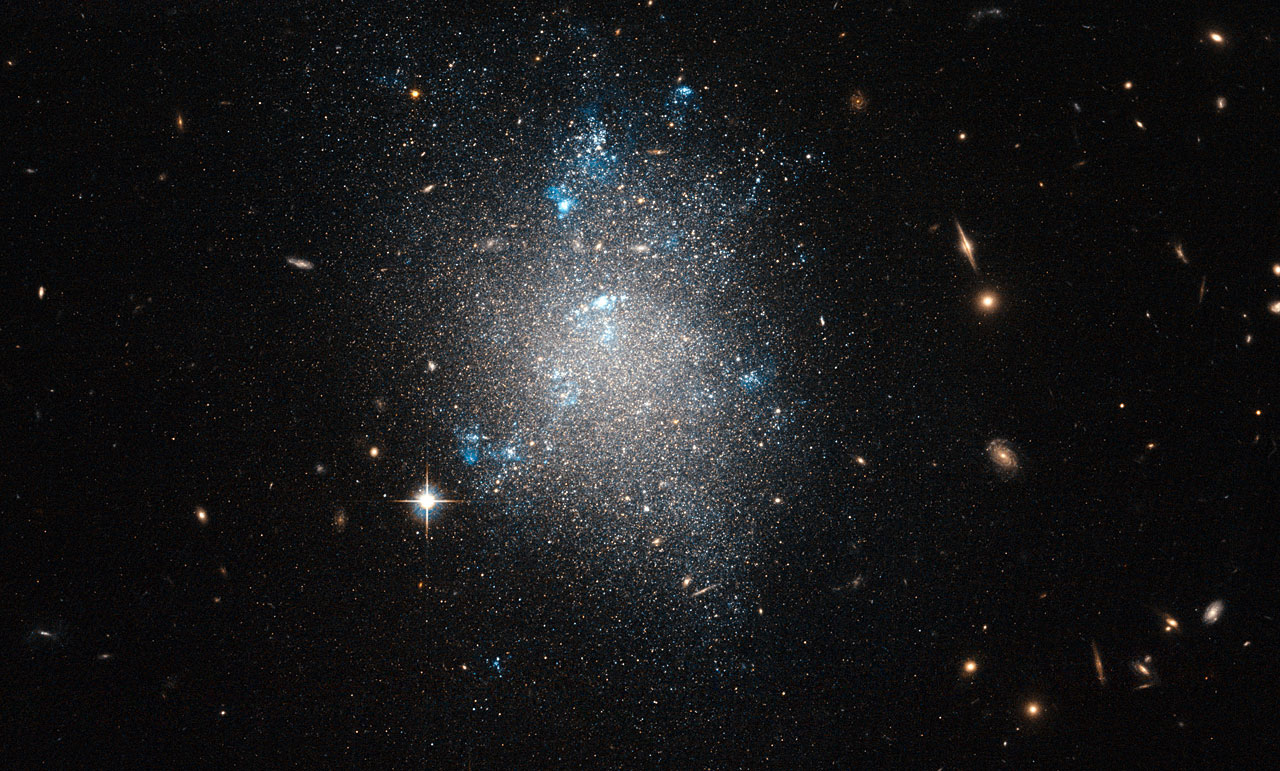
The host is a dwarf galaxy, roughly 1,000 times less massive than the researchers expected. Its star formation suggests that most of its stars may have formed within about 30 million years. That youthful population helps narrow the possible mechanisms behind this particular burst.
- 6/7
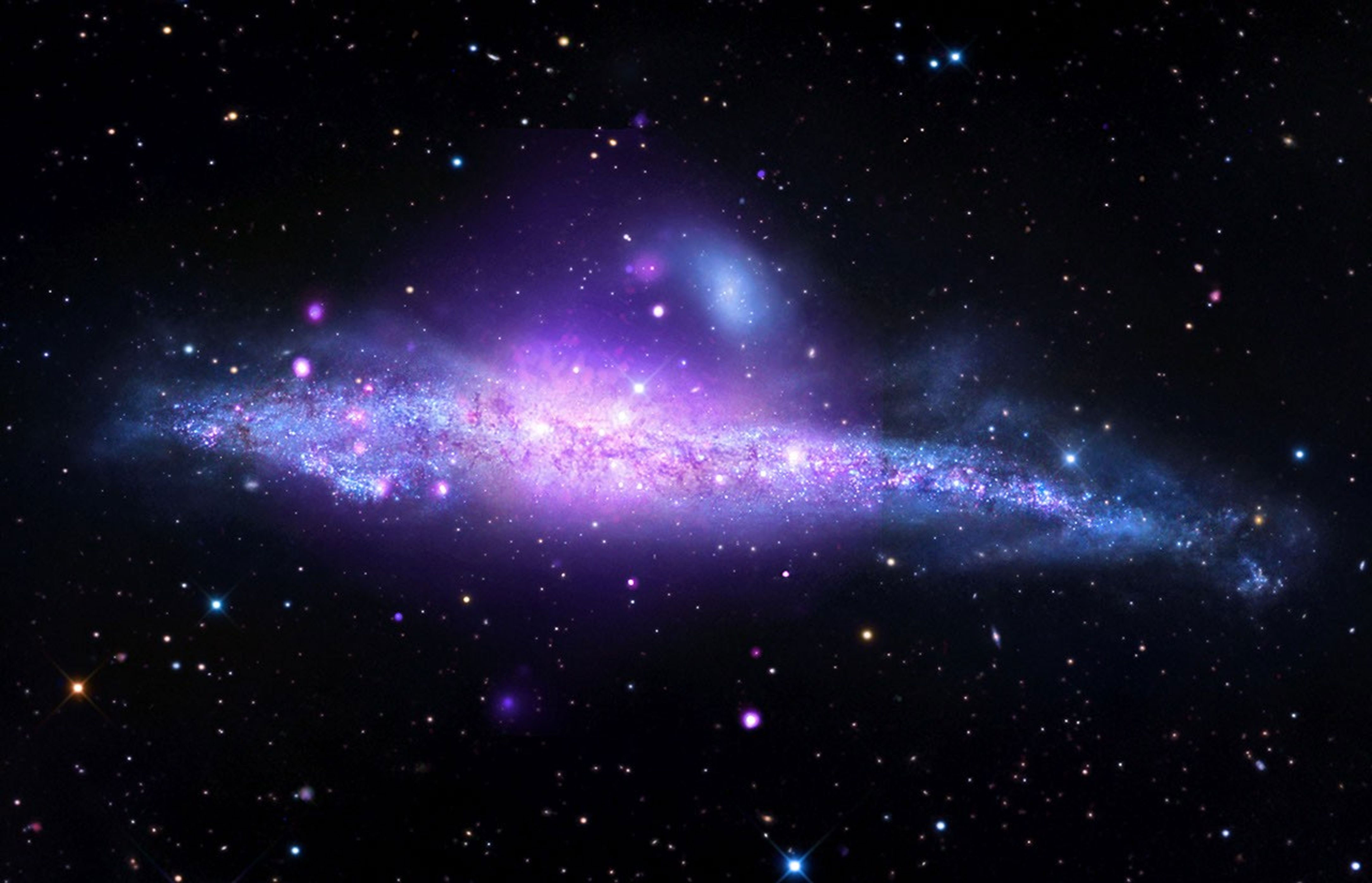
A magnetar is a neutron star with an exceptionally strong magnetic field. Researchers consider a young magnetar a plausible explanation because it could produce a burst without the long delay expected for some stellar-merger scenarios. The observations provide evidence for a hypothesis, not conclusive identification.
- 7/7
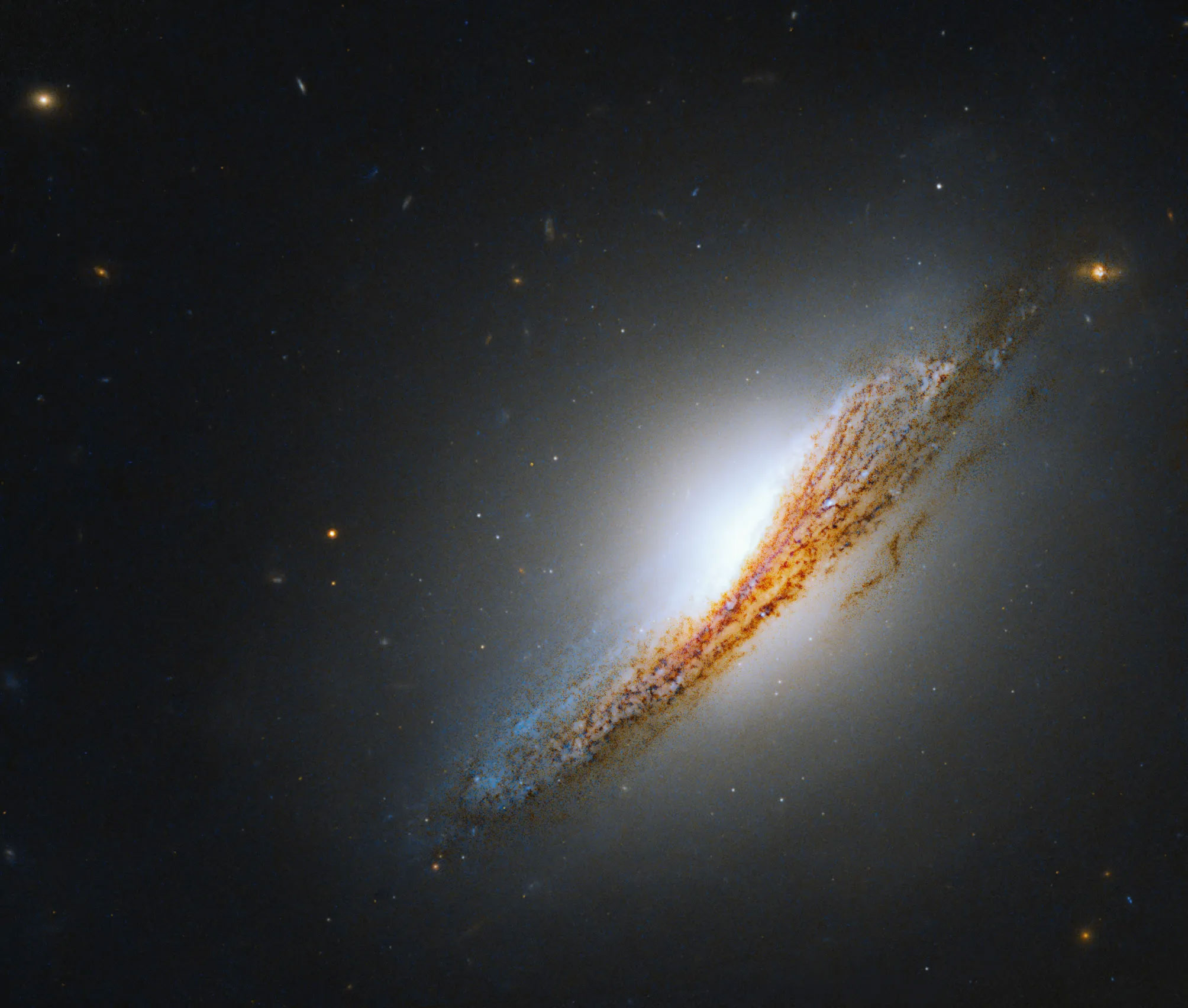
Radio waves are altered as they pass through ionised material. Studying those changes alongside the host’s redshift helps astronomers trace gas along the journey. The value of this discovery extends beyond the distance record: it offers a way to investigate matter across the cosmic web.