
Can a solar storm directly harm people on Earth? What NASA and NOAA actually say about coronal mass ejections
Coronal mass ejections are vast clouds of solar plasma and magnetic field. Learn how they form, how they differ from flares, and how they affect power grids, satellites and auroras.
- Aug 17, 2026,
- Updated Aug 17, 2026 4:15 PM IST
- 1/7
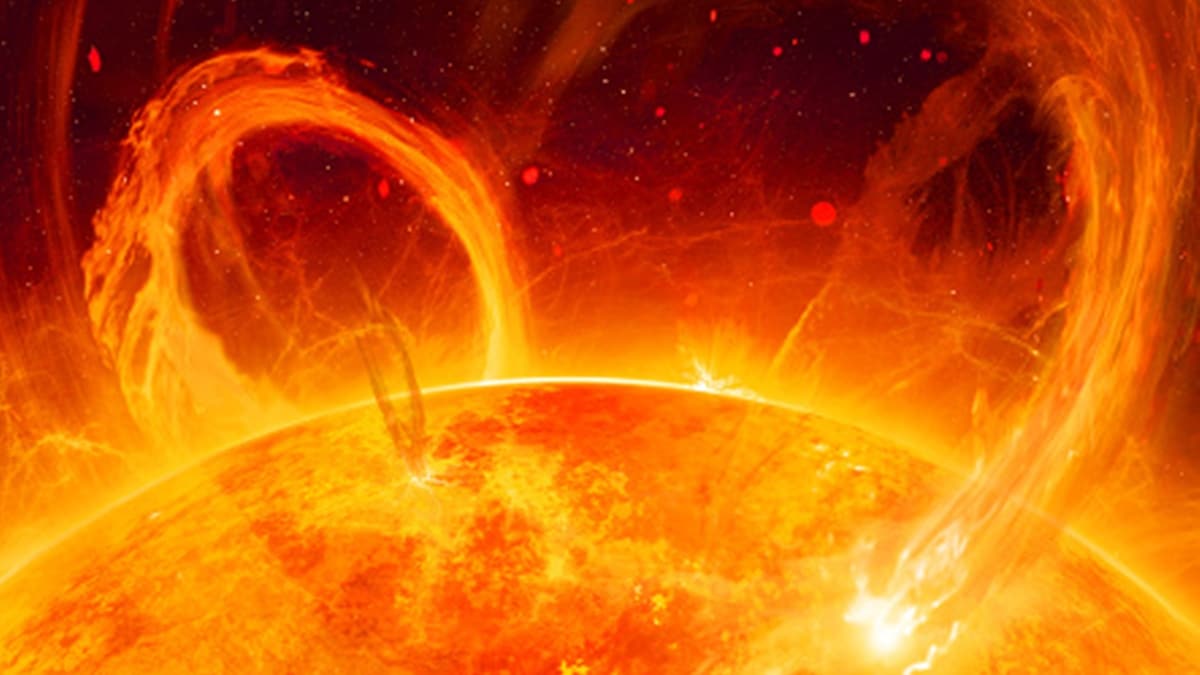
A coronal mass ejection, or CME, is a large expulsion of plasma and magnetic field from the Sun’s corona. NOAA says CMEs can eject billions of tonnes of material and travel at speeds ranging from below 250km per second to nearly 3,000km per second.
- 2/7
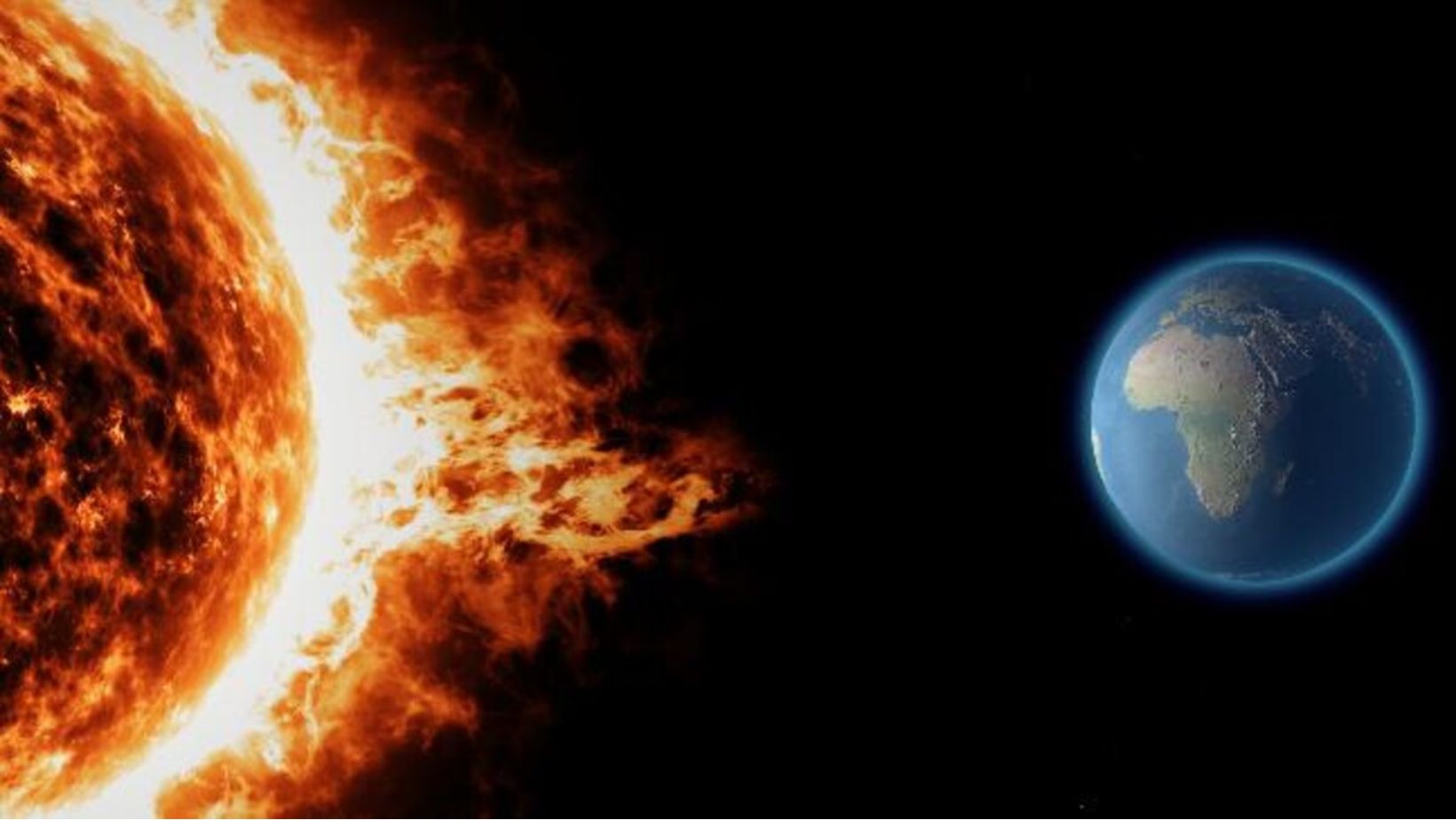
Explosive CMEs can begin when stressed and twisted magnetic-field structures in the Sun’s lower corona rearrange through magnetic reconnection. This process can release energy as a solar flare while accelerating plasma away from the Sun.
- 3/7
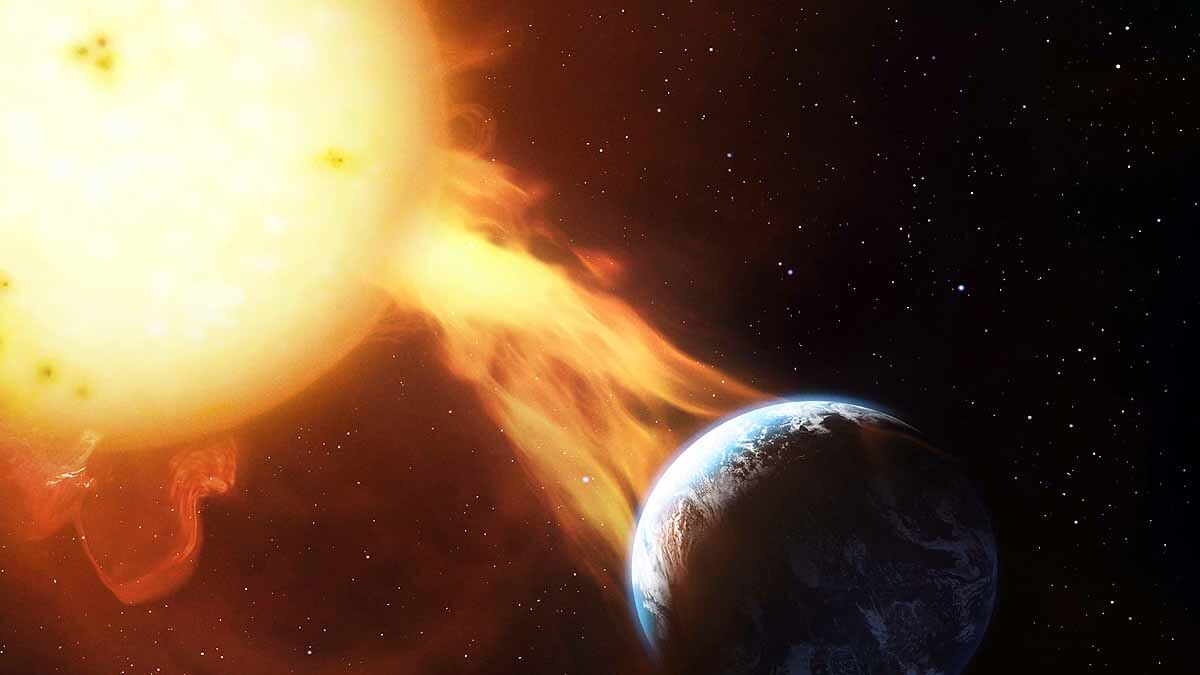
Radiation from a solar flare travels at the speed of light and can reach Earth in about eight minutes. A CME is a moving cloud of plasma and magnetic field. The fastest Earth-directed CMEs can arrive in approximately 15–18 hours, while slower ones may take several days.
- 4/7
CME activity follows the Sun’s approximately 11-year cycle. NASA sources describe around one CME per week near solar minimum and an average of two to three per day near solar maximum. These are broad averages rather than fixed daily schedules.
- 5/7
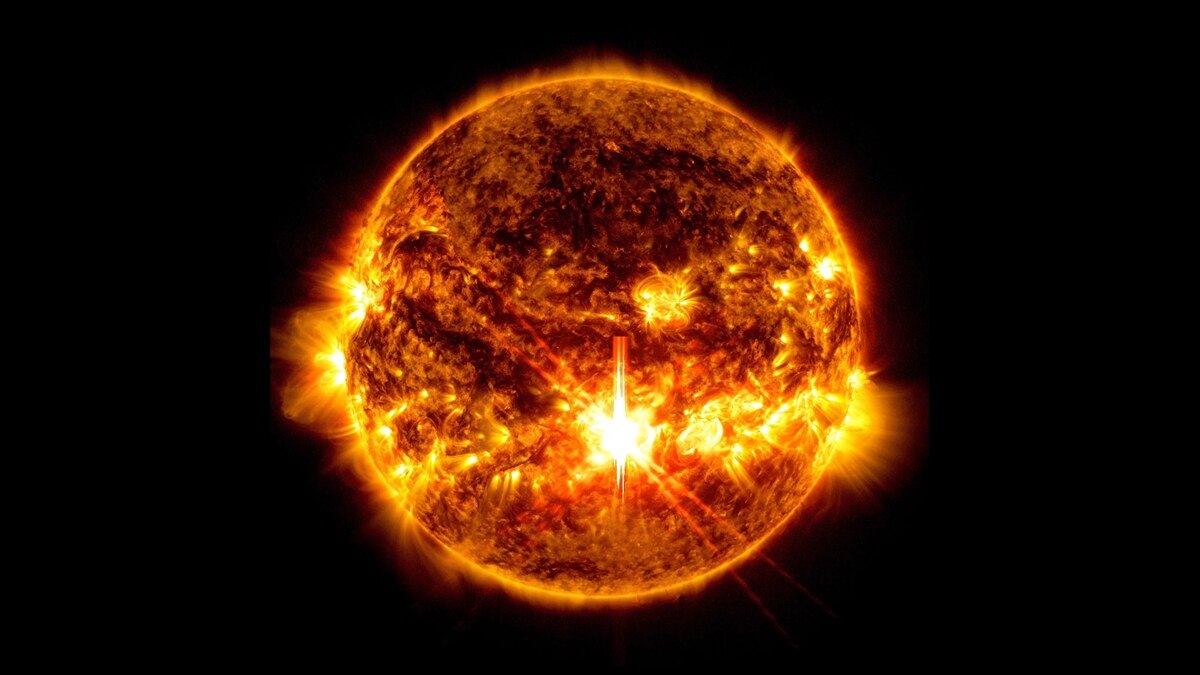
A suitably oriented Earth-directed CME can cause a geomagnetic storm. Depending on its severity, this can produce power-grid fluctuations, satellite-operational problems, navigation errors and geomagnetically induced currents. Claims that CMEs directly increase heart attacks, strokes, migraines or blood pressure should not be presented as established facts. Some observational studies report associations, but causation remains unproven. NASA says CME particles cannot pass through the atmosphere and directly harm people on Earth’s surface.
- 6/7
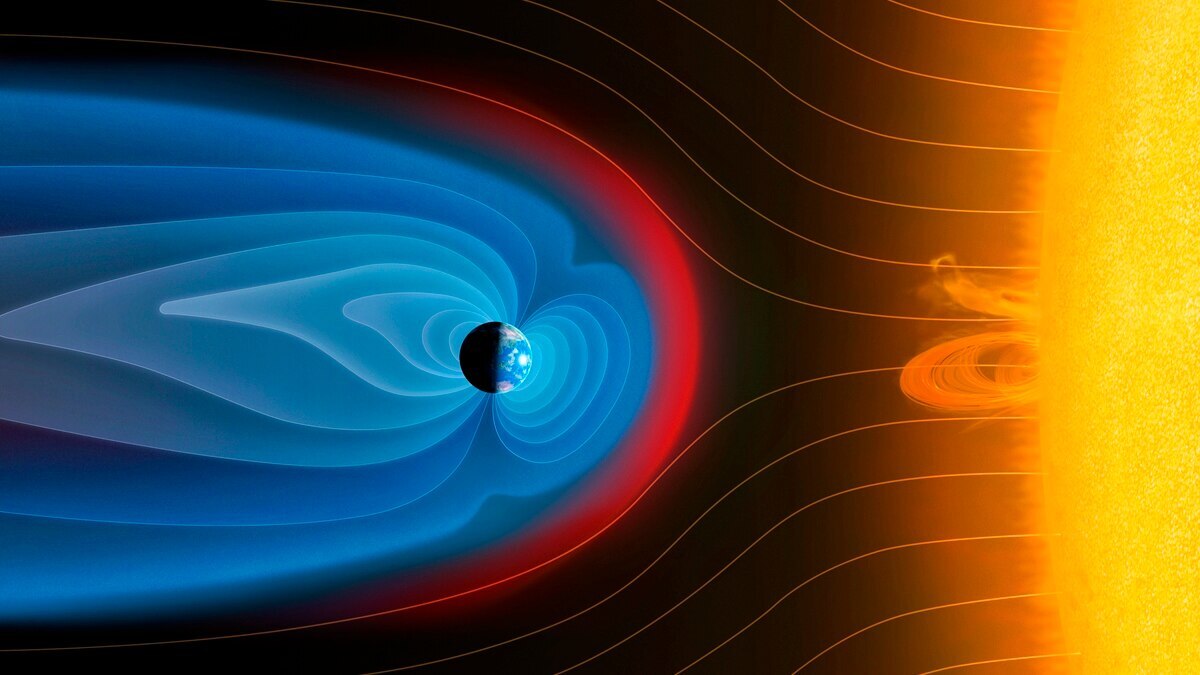
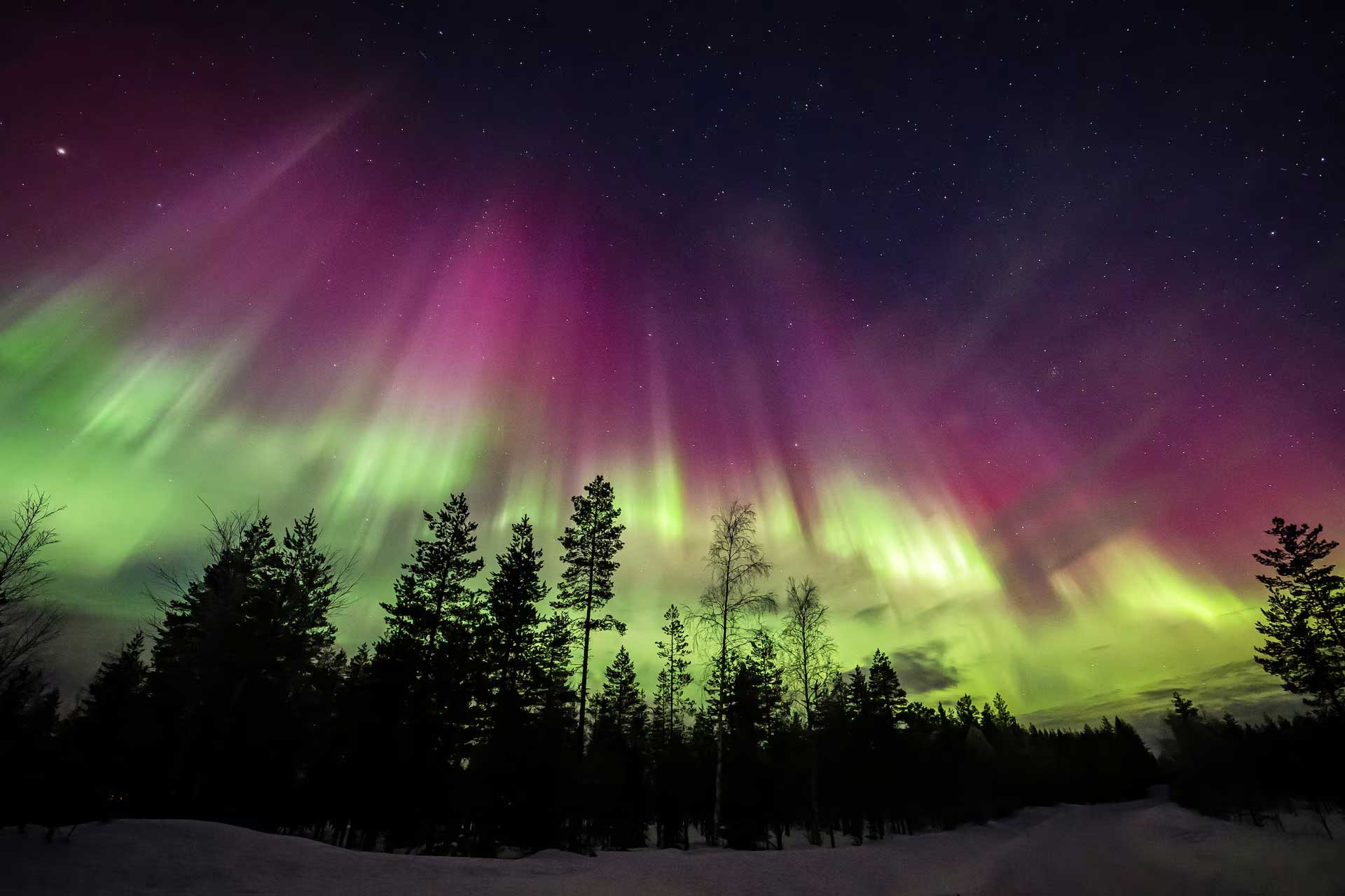
A CME can transfer energy into Earth’s magnetosphere and intensify a geomagnetic storm. Charged particles guided into the upper atmosphere then collide with oxygen and nitrogen. The excited atoms and molecules release light, producing auroras of different colours.
- 7/7
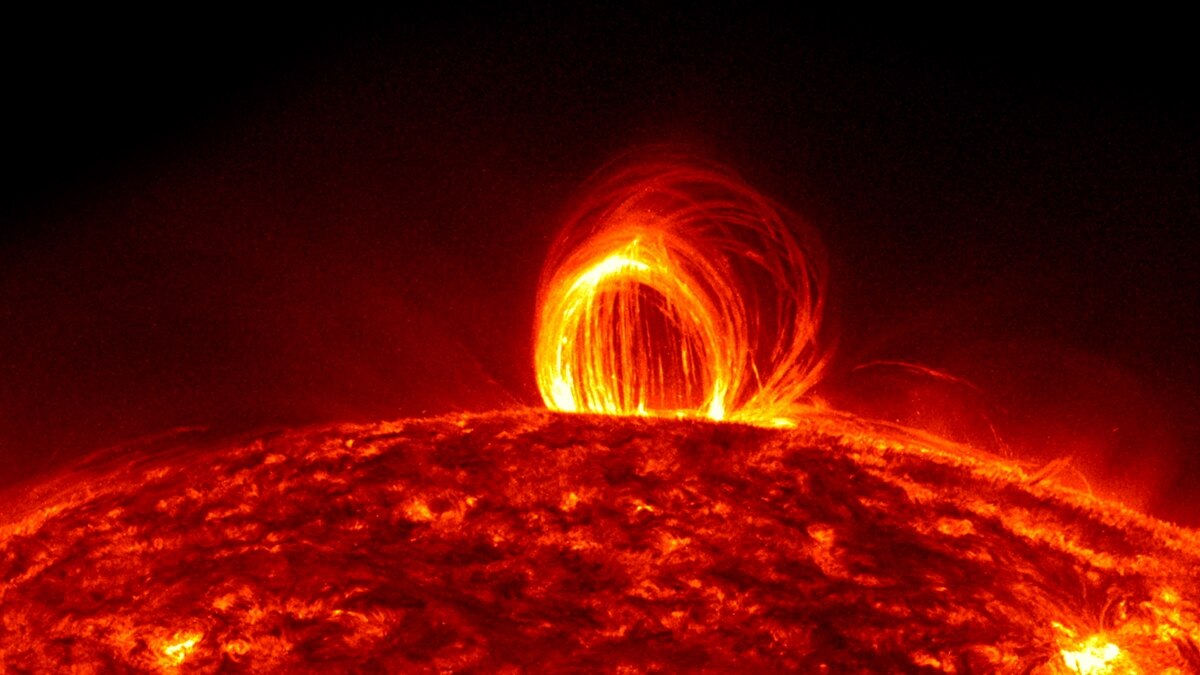
Solar activity can heat and expand Earth’s upper atmosphere, increasing drag on low-Earth-orbit satellites. NASA’s Neil Gehrels Swift Observatory has experienced accelerated orbital decay linked to increased atmospheric drag, prompting an ongoing effort to raise its orbit.
Astronaut radiation risk is more directly associated with solar energetic-particle events, which can accompany major solar eruptions, rather than with the bulk CME plasma alone. Astronauts beyond Earth’s magnetosphere would face the greatest exposure.