
How did NASA’s Roman Telescope save 182 kg of fuel in its first course correction? The 22-year estimate explained
NASA says Roman has fuel for at least 22 years of potential science after a precise burn used 18 kg, not 200 kg. Here is why that is an estimate, not a guaranteed mission lifespan.
- Sep 15, 2026,
- Updated Sep 15, 2026 3:56 PM IST
- 1/6
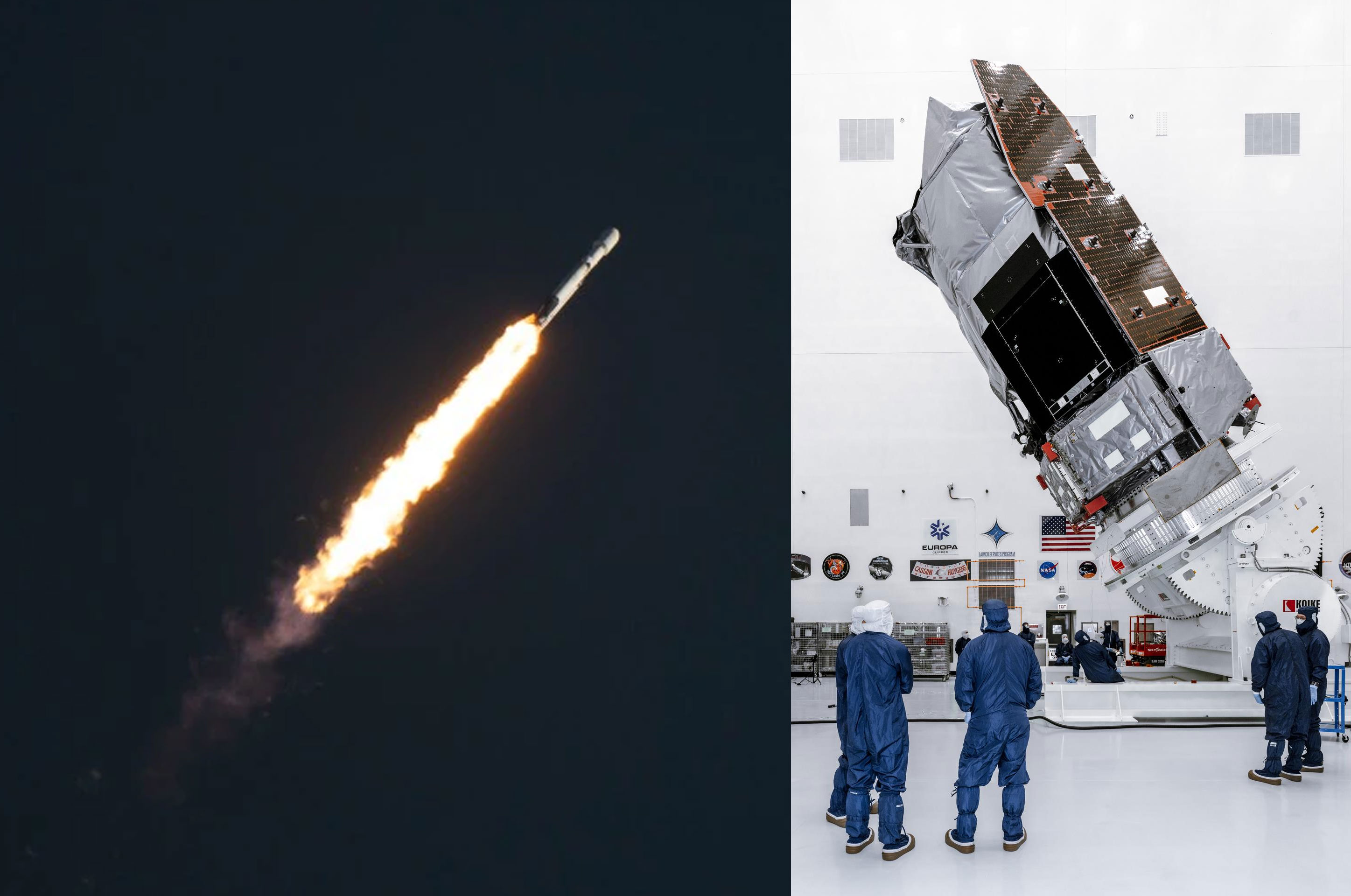
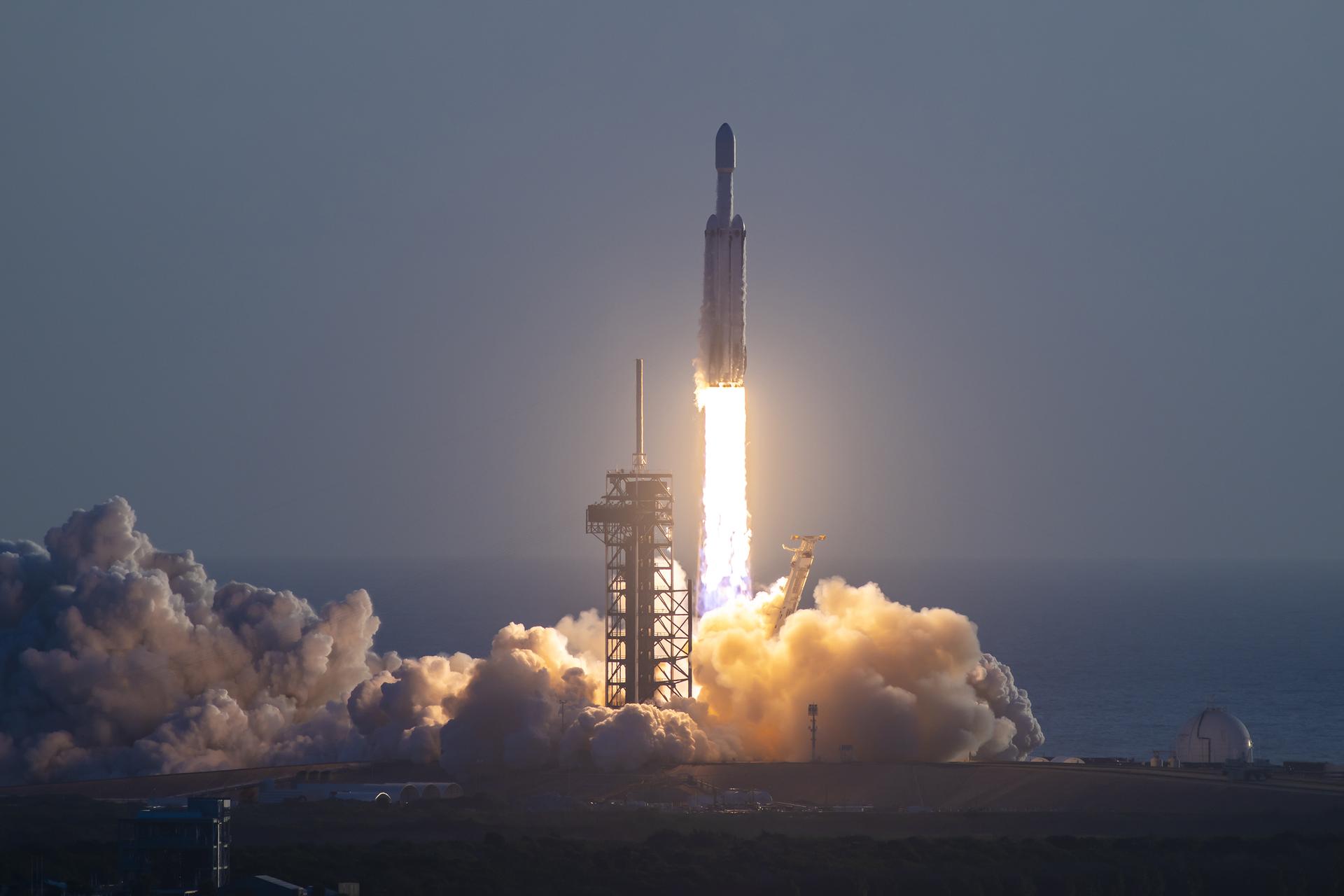
Roman is travelling to L2 after its August 30 launch
NASA’s Nancy Grace Roman Space Telescope launched aboard a SpaceX Falcon Heavy on August 30, 2026. It is heading to the Sun–Earth L2 region and is expected to enter its final orbit about 100 days after launch, around early December.
- 2/6
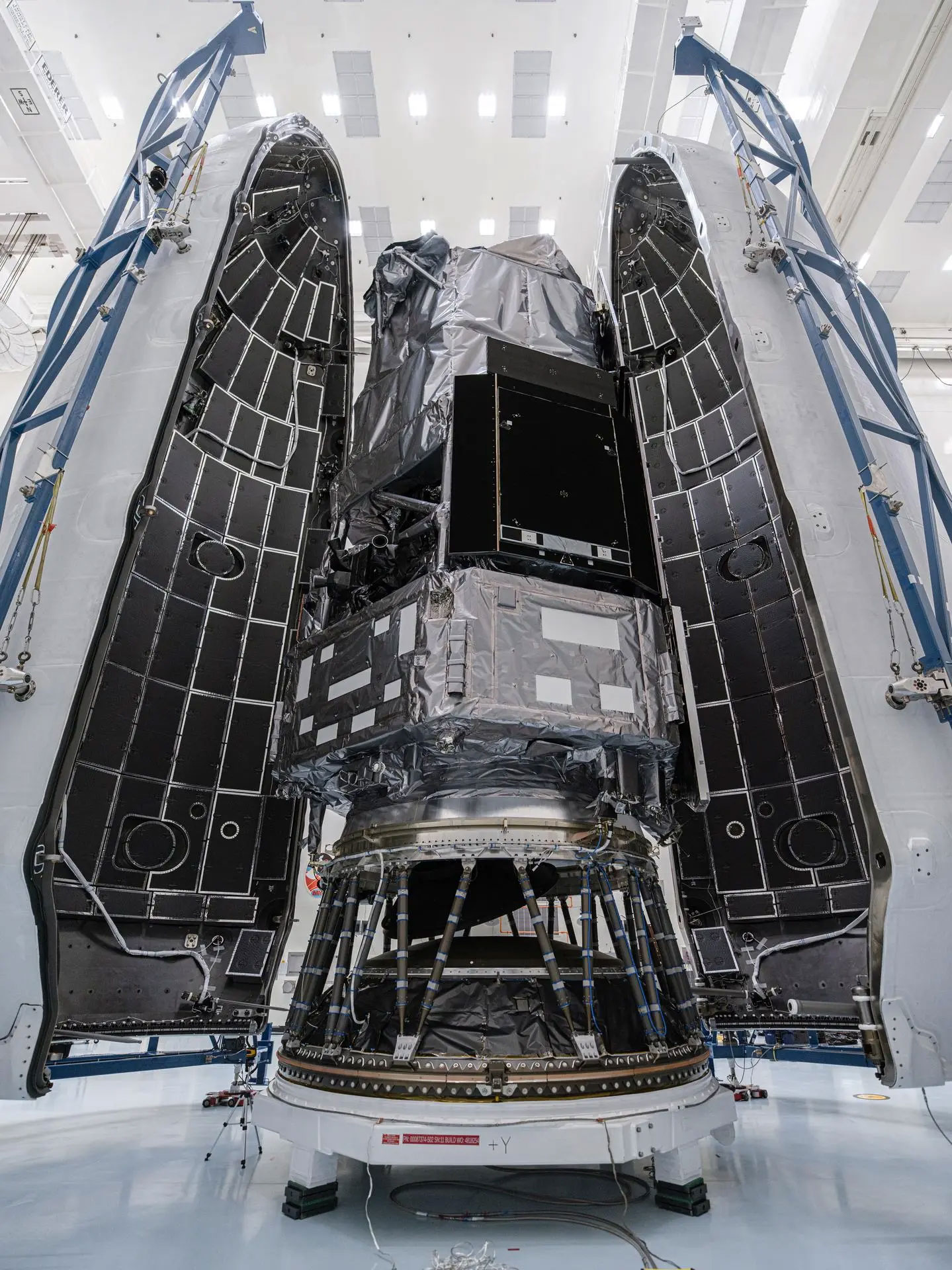
The 22-year figure is fuel potential, not a guaranteed lifespan
Roman was designed around a five-year primary mission plus a possible five-year extension. NASA now says the spacecraft carries enough fuel for at least 22 years of potential science operations. Hardware health, funding and future performance will still determine how long it actually works.
- 3/6
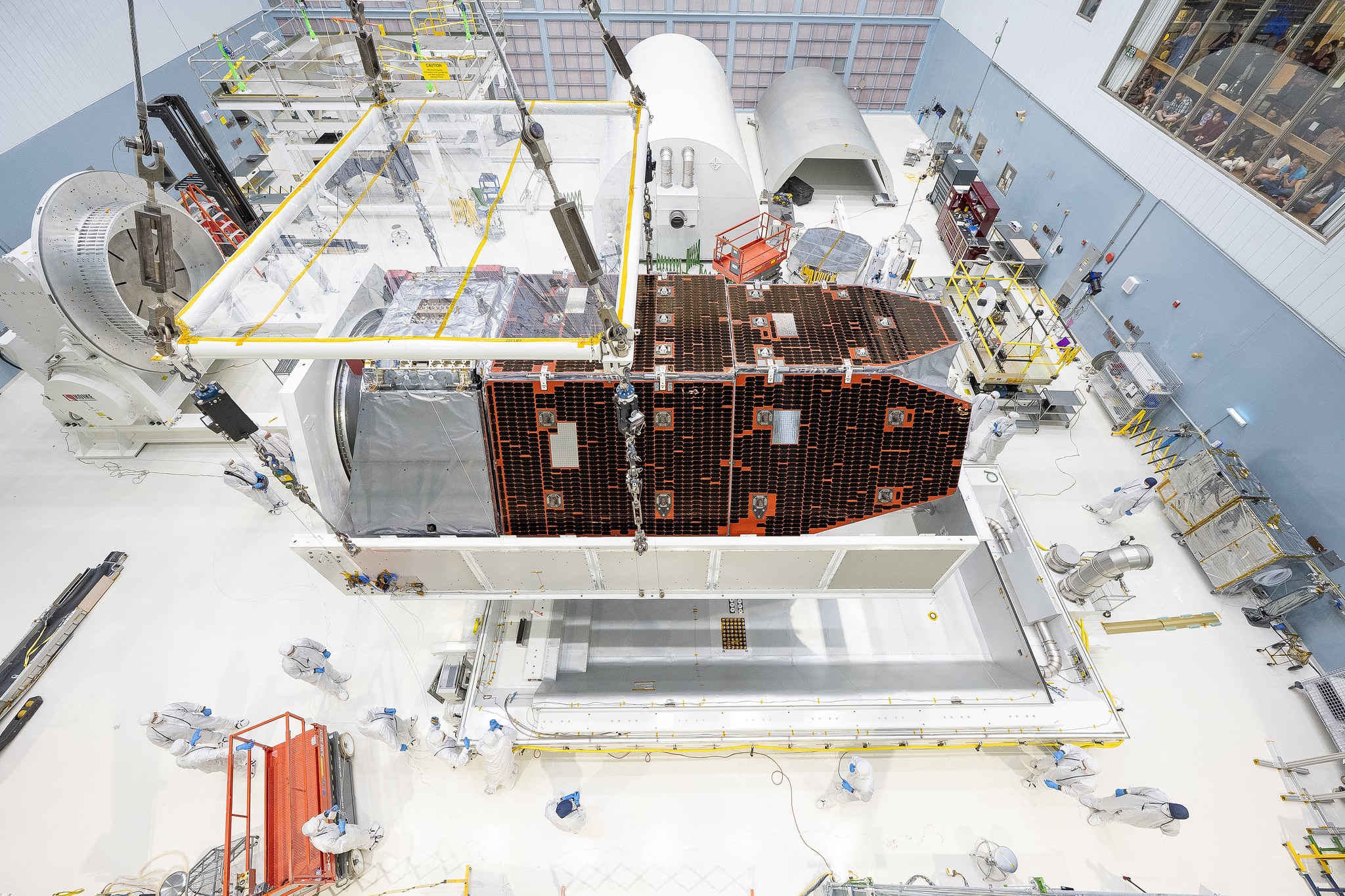
Its first correction used 18 kg instead of the budgeted 200 kg
The August 31 mid-course correction was executed with more than 99% accuracy. NASA had allocated 441 pounds, or 200 kg, of propellant for the manoeuvre; Roman used about 40 pounds, or 18 kg. NASA estimates that saving alone could support roughly four extra years. (Credit: NASA)
- 4/6
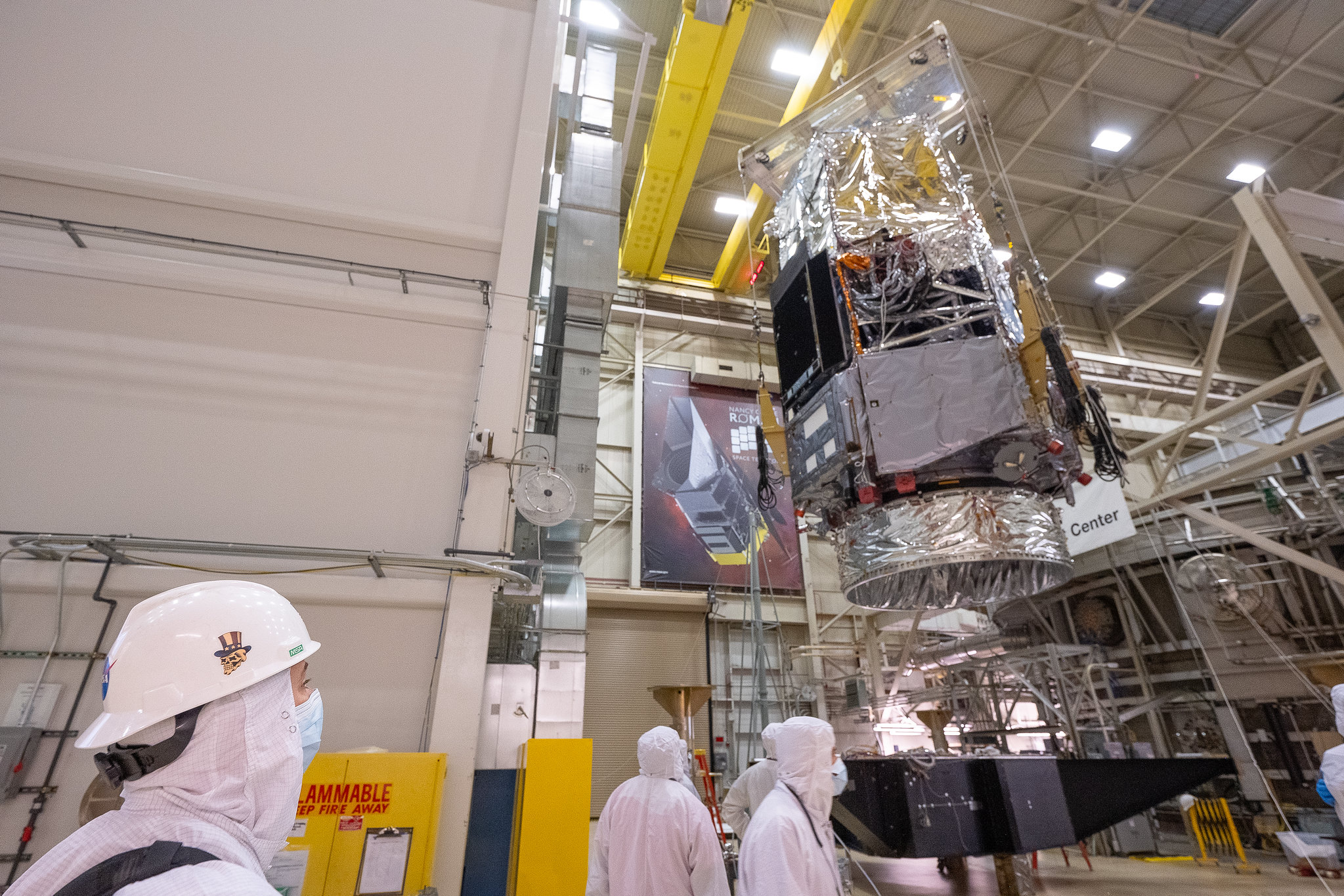
Roman launched 1,744 kg below the conservative mass limit
Engineers based the fuel plan on a maximum spacecraft mass of 9,800 kg, but Roman’s actual launch mass was 8,056 kg. The lower mass reduced manoeuvring needs and left room to fill the propellant tanks beyond the original 10-year requirement—potentially adding another four years. (Credit: NASA)
- 5/6
Some of the projected saving still depends on future manoeuvres
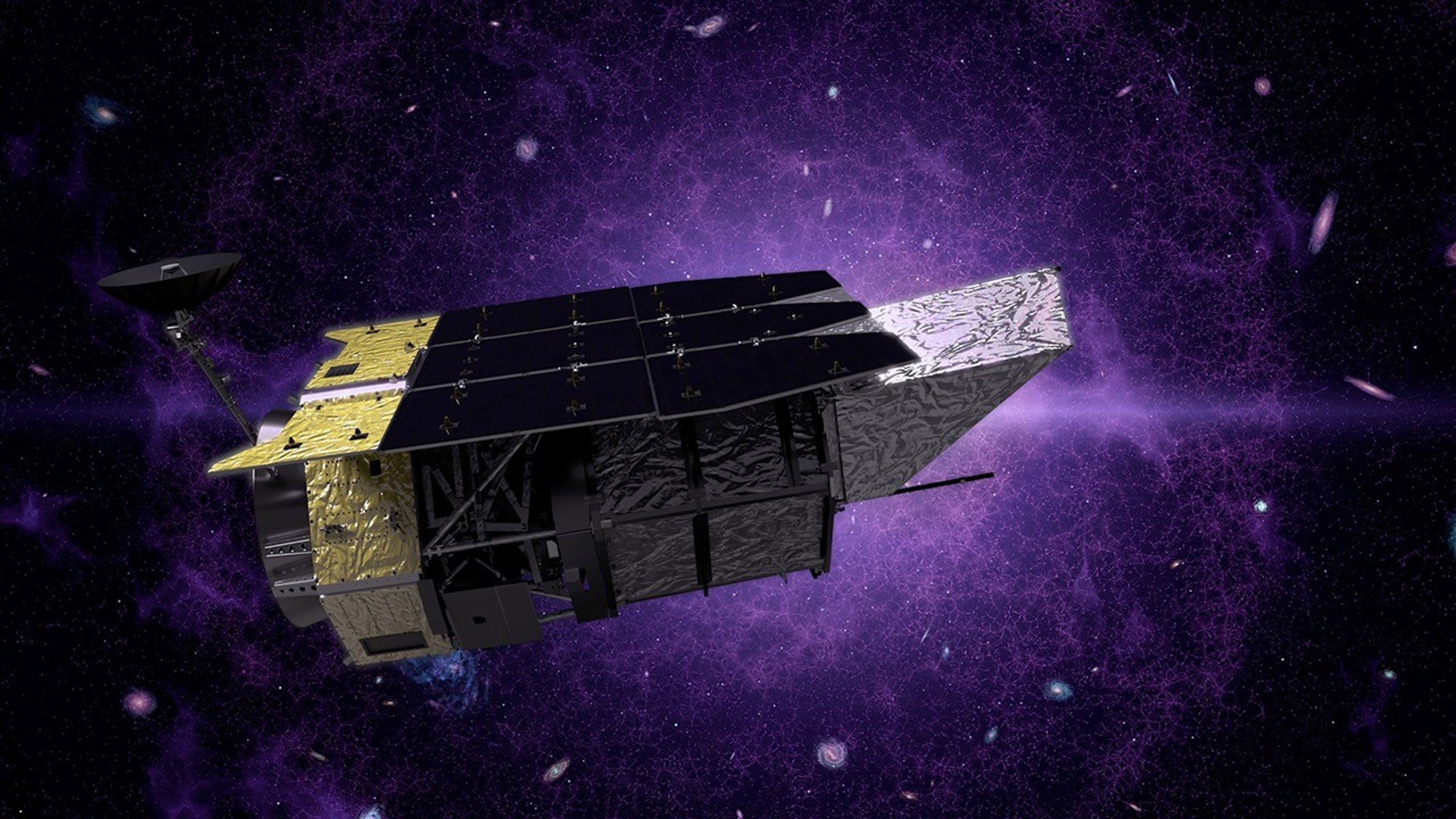
NASA expects Roman’s second course correction later in September to be very small because the first was so accurate. The 22-year projection also anticipates savings during that burn and orbital insertion. At L2, station-keeping burns will be needed roughly every 28 days. (Credit: NASA)
- 6/6
Extra years could expand surveys of planets and the universe
Roman will conduct wide infrared surveys to investigate dark energy, dark matter, exoplanets and galaxy evolution. If the observatory remains healthy and the fuel projection holds, a longer operating period would give astronomers more time to repeat surveys and track changes in the sky. (Credit: NASA)