
81 years after Hiroshima: Scientists discover a never-before-seen metal forged by the atomic blast
When the atomic bomb exploded over Hiroshima on August 6, 1945, temperatures near the fireball soared to several thousand degrees Celsius, instantly vaporising or melting concrete, steel, glass and soil.
- Jul 31, 2026,
- Updated Jul 31, 2026 7:35 AM IST
More than eight decades after the atomic bomb devastated Hiroshima, scientists have found an unexpected relic of the explosion — not a weapon or a historical artifact, but a metal never before seen on Earth.
Hidden inside microscopic particles scattered by the 1945 blast, the newly identified material appears to have formed in the split second when extreme heat, immense pressure and rapid cooling transformed ordinary building materials into something entirely new.
The discovery offers a rare window into how matter behaves under conditions almost impossible to recreate on Earth. While it does not alter the history of Hiroshima's human tragedy, it reveals that one of history's most destructive events also produced an extraordinary material that could reshape scientists' understanding of metallurgy and materials science.
A material born in extreme conditions
When the atomic bomb exploded over Hiroshima on August 6, 1945, temperatures near the fireball soared to several thousand degrees Celsius, instantly vaporising or melting concrete, steel, glass and soil. As the blast expanded, the molten material cooled within moments, trapping atoms in arrangements rarely, if ever, seen under normal conditions.
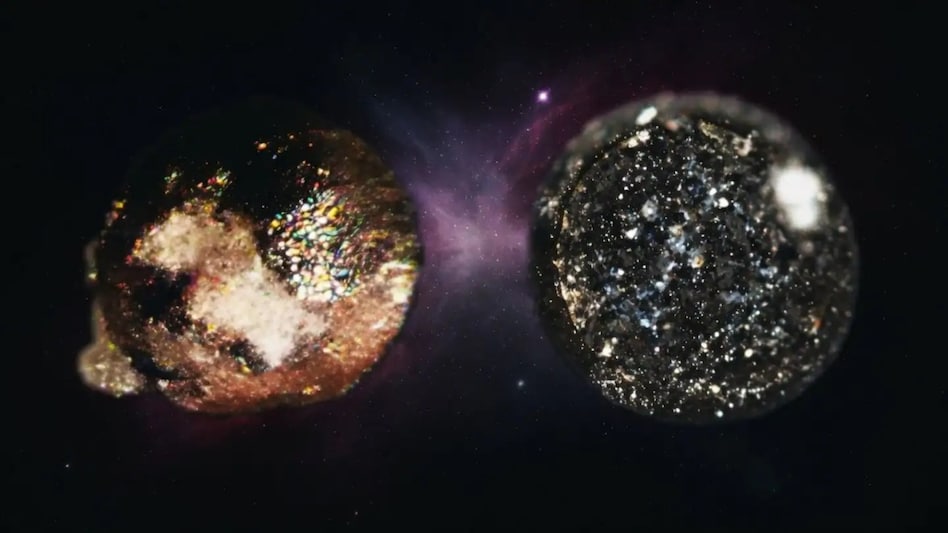
Researchers studying tiny fallout particles — known as "hiroshimaites" — recovered from Hiroshima Bay discovered one such anomaly. Inside these microscopic grains, they identified a previously unknown metallic alloy made up primarily of iron, chromium, nickel, manganese, molybdenum, silicon and aluminium.
Instead of separating into different minerals as they normally would, the elements solidified into a single, stable cubic crystal structure that has never been documented in nature.
Why the discovery matters
Scientists say the significance lies not in the bomb itself but in the unique conditions it created. Under conventional manufacturing methods, alloys containing so many elements typically separate into multiple phases as they cool. The Hiroshima blast, however, appears to have cooled the molten material so rapidly that the atoms became locked into an entirely new arrangement before they could reorganise.
The finding provides valuable insights into how complex materials form under extreme heat, pressure and shock. Such knowledge could improve research in metallurgy, high-performance engineering and even planetary science, where meteorite impacts expose materials to similarly violent conditions.
Tiny particles preserving history
The unusual alloy was discovered inside microscopic spherical debris collected from sediments in Hiroshima Bay. These particles, often smaller than a grain of sand, were created when the explosion vaporised parts of the city before the material condensed and solidified while falling back to the ground.
Using advanced electron microscopy and crystallographic analysis, researchers mapped the atomic structure of the particles and confirmed that the metallic phase differed from anything previously catalogued.
The study also highlights the growing importance of nuclear forensics — a field that examines materials created during nuclear explosions to better understand the physical and chemical conditions under which they formed.
Not the first surprising material from a nuclear blast
The Hiroshima alloy joins a small but growing list of unusual materials discovered in the aftermath of nuclear detonations.
In recent years, scientists analysing debris from the Trinity test — the world's first nuclear explosion in New Mexico — identified a previously unknown quasicrystal, followed by the discovery of an entirely new clathrate crystal structure. Both findings challenged long-held assumptions about how matter behaves under extreme conditions.
The newly identified Hiroshima alloy adds another chapter to that story, suggesting that nuclear explosions can create atomic structures that neither nature nor conventional industrial processes have produced.
More than eight decades after the atomic bomb devastated Hiroshima, scientists have found an unexpected relic of the explosion — not a weapon or a historical artifact, but a metal never before seen on Earth.
Hidden inside microscopic particles scattered by the 1945 blast, the newly identified material appears to have formed in the split second when extreme heat, immense pressure and rapid cooling transformed ordinary building materials into something entirely new.
The discovery offers a rare window into how matter behaves under conditions almost impossible to recreate on Earth. While it does not alter the history of Hiroshima's human tragedy, it reveals that one of history's most destructive events also produced an extraordinary material that could reshape scientists' understanding of metallurgy and materials science.
A material born in extreme conditions
When the atomic bomb exploded over Hiroshima on August 6, 1945, temperatures near the fireball soared to several thousand degrees Celsius, instantly vaporising or melting concrete, steel, glass and soil. As the blast expanded, the molten material cooled within moments, trapping atoms in arrangements rarely, if ever, seen under normal conditions.
Researchers studying tiny fallout particles — known as "hiroshimaites" — recovered from Hiroshima Bay discovered one such anomaly. Inside these microscopic grains, they identified a previously unknown metallic alloy made up primarily of iron, chromium, nickel, manganese, molybdenum, silicon and aluminium.
Instead of separating into different minerals as they normally would, the elements solidified into a single, stable cubic crystal structure that has never been documented in nature.
Why the discovery matters
Scientists say the significance lies not in the bomb itself but in the unique conditions it created. Under conventional manufacturing methods, alloys containing so many elements typically separate into multiple phases as they cool. The Hiroshima blast, however, appears to have cooled the molten material so rapidly that the atoms became locked into an entirely new arrangement before they could reorganise.
The finding provides valuable insights into how complex materials form under extreme heat, pressure and shock. Such knowledge could improve research in metallurgy, high-performance engineering and even planetary science, where meteorite impacts expose materials to similarly violent conditions.
Tiny particles preserving history
The unusual alloy was discovered inside microscopic spherical debris collected from sediments in Hiroshima Bay. These particles, often smaller than a grain of sand, were created when the explosion vaporised parts of the city before the material condensed and solidified while falling back to the ground.
Using advanced electron microscopy and crystallographic analysis, researchers mapped the atomic structure of the particles and confirmed that the metallic phase differed from anything previously catalogued.
The study also highlights the growing importance of nuclear forensics — a field that examines materials created during nuclear explosions to better understand the physical and chemical conditions under which they formed.
Not the first surprising material from a nuclear blast
The Hiroshima alloy joins a small but growing list of unusual materials discovered in the aftermath of nuclear detonations.
In recent years, scientists analysing debris from the Trinity test — the world's first nuclear explosion in New Mexico — identified a previously unknown quasicrystal, followed by the discovery of an entirely new clathrate crystal structure. Both findings challenged long-held assumptions about how matter behaves under extreme conditions.
The newly identified Hiroshima alloy adds another chapter to that story, suggesting that nuclear explosions can create atomic structures that neither nature nor conventional industrial processes have produced.