
Asia’s ‘Water Tower’ under climate stress: What a ‘wobbling’ Tibetan Plateau means for India
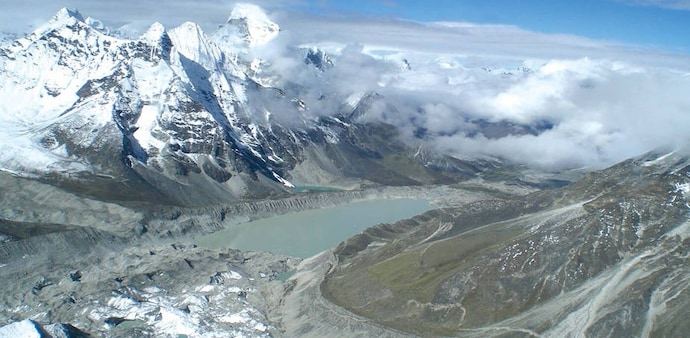
Rising temperatures are accelerating glacier melt. Initially, this can increase the amount of water flowing into downstream rivers. But that benefit can be deceptive: as glaciers lose mass, their ability to provide a dependable supply during dry periods diminishes.
- Aug 30, 2026,
- Updated Aug 30, 2026 1:29 PM IST
For decades, the Tibetan Plateau has functioned as Asia’s giant natural reservoir, storing water in glaciers, snow and soils before feeding some of the continent’s most important rivers. A new study suggests that this system may be entering a less predictable phase — and climate change could make the shift more pronounced.
Researchers examined changes in soil moisture across the Tibetan Plateau from 2000 to 2024 and used an entropy-based approach to measure how organised or chaotic the region’s hydrological system has become. They found that the plateau’s recent wetting initially made the system more ordered and resilient. But climate models point to a possible reversal as warming intensifies.
The finding published in Nature Communications is significant because the Tibetan Plateau and surrounding high mountains form what scientists call the “Asian Water Tower” — a vast high-altitude water store that supplies freshwater to billions of people through major river systems. The region feeds rivers including the Indus, Ganges-Brahmaputra, Mekong, Yangtze and Yellow River.
System looks healthier but more fragile
One of the study’s most important findings is that more water does not necessarily mean greater long-term water security.
Between 2000 and 2024, the Tibetan Plateau experienced a broad wetting trend. That increase in soil moisture reduced entropy, essentially indicating a more organised hydrological system and stronger buffering capacity.
But the researchers say this apparent stability may not last.
Climate projections indicate that continued warming could reverse the trend. Entropy is projected to rise, signalling greater spatial disorder and increasing differences in how water is distributed across the plateau. Some simulations show behaviour resembling a transition towards a new regime.
In other words, the concern is not simply that the plateau will become wetter or drier. It is that its water cycle could become less predictable.
Why glaciers are central to the problem
The Tibetan Plateau’s water system depends on a delicate interaction between glaciers, snow, soil moisture, rainfall and runoff.
Rising temperatures are accelerating glacier melt. Initially, this can increase the amount of water flowing into downstream rivers. But that benefit can be deceptive: as glaciers lose mass, their ability to provide a dependable supply during dry periods diminishes.
Recent research in Nature Communications has found that although glacier and snowmelt can currently help alleviate water shortages in downstream areas, future meltwater is likely to become increasingly concentrated during the monsoon season, when rainfall is already abundant. Dry-season availability could decline, weakening the plateau’s natural ability to buffer water shortages.
This creates a potential paradox: more melting can mean more water in the short term, but less reliable water in the long term.
What does it mean for India?
India sits directly downstream of several rivers originating on or around the Tibetan Plateau, making changes in the region particularly important.
The Indus, Ganga and Brahmaputra systems depend heavily on water generated in the Himalayas and Tibetan Plateau. Changes in snow accumulation, glacier melt, rainfall and soil moisture can therefore affect everything from river flows and agriculture to hydropower and flood risk.
The study’s lead author, Xiaosong Chen of Beijing Normal University, told the South China Morning Post said India would be affected by these changes, although the precise impacts require further research.
The risk is also asymmetric. A destabilising water cycle could produce both extremes — periods of excessive runoff and flooding followed by periods of inadequate water availability.
That matters in a region where millions depend on predictable seasonal river flows.
Floods could become part of the warning
The study does not establish that any individual flood is caused by the projected instability. But the research highlights the broader vulnerability of the Himalayan region to extreme hydrological events.
The researchers warn that increasing soil water and intensified glacier melting could contribute to greater geological-disaster risks as the century progresses.
Scientists are therefore increasingly looking beyond the question of whether the Himalayan region is simply “losing water”. The bigger question is whether the Asian Water Tower is losing its ability to regulate water reliably.
Bigger climate warning
The Tibetan Plateau is warming rapidly, and its response is complicated by its enormous elevation and interconnected cryosphere, atmosphere and hydrological systems.
Research has found significant warming across parts of the Tibetan Plateau, with recent years producing exceptionally high temperatures. Other studies have shown that warming-induced snow and glacier melt, combined with changes in terrestrial water storage, are altering the plateau’s ability to regulate moisture across the region.
For India and the rest of South and East Asia, that could be the more consequential warning: the continent’s giant natural reservoir may still contain enormous amounts of water — but its ability to deliver that water at the right time and in the right place could increasingly come under strain.
For decades, the Tibetan Plateau has functioned as Asia’s giant natural reservoir, storing water in glaciers, snow and soils before feeding some of the continent’s most important rivers. A new study suggests that this system may be entering a less predictable phase — and climate change could make the shift more pronounced.
Researchers examined changes in soil moisture across the Tibetan Plateau from 2000 to 2024 and used an entropy-based approach to measure how organised or chaotic the region’s hydrological system has become. They found that the plateau’s recent wetting initially made the system more ordered and resilient. But climate models point to a possible reversal as warming intensifies.
The finding published in Nature Communications is significant because the Tibetan Plateau and surrounding high mountains form what scientists call the “Asian Water Tower” — a vast high-altitude water store that supplies freshwater to billions of people through major river systems. The region feeds rivers including the Indus, Ganges-Brahmaputra, Mekong, Yangtze and Yellow River.
System looks healthier but more fragile
One of the study’s most important findings is that more water does not necessarily mean greater long-term water security.
Between 2000 and 2024, the Tibetan Plateau experienced a broad wetting trend. That increase in soil moisture reduced entropy, essentially indicating a more organised hydrological system and stronger buffering capacity.
But the researchers say this apparent stability may not last.
Climate projections indicate that continued warming could reverse the trend. Entropy is projected to rise, signalling greater spatial disorder and increasing differences in how water is distributed across the plateau. Some simulations show behaviour resembling a transition towards a new regime.
In other words, the concern is not simply that the plateau will become wetter or drier. It is that its water cycle could become less predictable.
Why glaciers are central to the problem
The Tibetan Plateau’s water system depends on a delicate interaction between glaciers, snow, soil moisture, rainfall and runoff.
Rising temperatures are accelerating glacier melt. Initially, this can increase the amount of water flowing into downstream rivers. But that benefit can be deceptive: as glaciers lose mass, their ability to provide a dependable supply during dry periods diminishes.
Recent research in Nature Communications has found that although glacier and snowmelt can currently help alleviate water shortages in downstream areas, future meltwater is likely to become increasingly concentrated during the monsoon season, when rainfall is already abundant. Dry-season availability could decline, weakening the plateau’s natural ability to buffer water shortages.
This creates a potential paradox: more melting can mean more water in the short term, but less reliable water in the long term.
What does it mean for India?
India sits directly downstream of several rivers originating on or around the Tibetan Plateau, making changes in the region particularly important.
The Indus, Ganga and Brahmaputra systems depend heavily on water generated in the Himalayas and Tibetan Plateau. Changes in snow accumulation, glacier melt, rainfall and soil moisture can therefore affect everything from river flows and agriculture to hydropower and flood risk.
The study’s lead author, Xiaosong Chen of Beijing Normal University, told the South China Morning Post said India would be affected by these changes, although the precise impacts require further research.
The risk is also asymmetric. A destabilising water cycle could produce both extremes — periods of excessive runoff and flooding followed by periods of inadequate water availability.
That matters in a region where millions depend on predictable seasonal river flows.
Floods could become part of the warning
The study does not establish that any individual flood is caused by the projected instability. But the research highlights the broader vulnerability of the Himalayan region to extreme hydrological events.
The researchers warn that increasing soil water and intensified glacier melting could contribute to greater geological-disaster risks as the century progresses.
Scientists are therefore increasingly looking beyond the question of whether the Himalayan region is simply “losing water”. The bigger question is whether the Asian Water Tower is losing its ability to regulate water reliably.
Bigger climate warning
The Tibetan Plateau is warming rapidly, and its response is complicated by its enormous elevation and interconnected cryosphere, atmosphere and hydrological systems.
Research has found significant warming across parts of the Tibetan Plateau, with recent years producing exceptionally high temperatures. Other studies have shown that warming-induced snow and glacier melt, combined with changes in terrestrial water storage, are altering the plateau’s ability to regulate moisture across the region.
For India and the rest of South and East Asia, that could be the more consequential warning: the continent’s giant natural reservoir may still contain enormous amounts of water — but its ability to deliver that water at the right time and in the right place could increasingly come under strain.