
Australia is facing a new internet threat & the reason lies beneath the sea
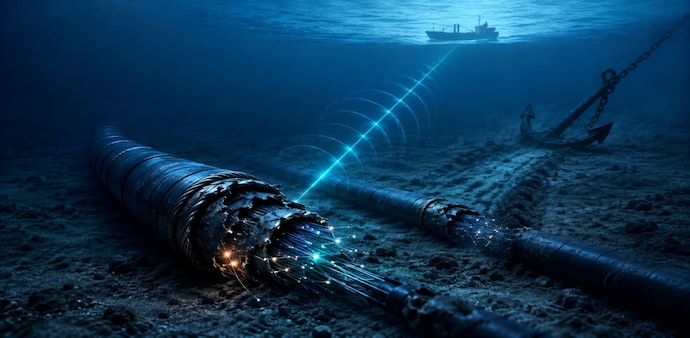
Australia depends heavily on undersea cables for its internet connection with other countries
- Aug 21, 2026,
- Updated Aug 21, 2026 5:00 AM IST
Two undersea internet cables off Perth have been damaged inside a protected cable zone, raising concerns about the safety of infrastructure that carries more than 95% of Australia’s international internet traffic, according to a report by The Conversation
Experts say laser-based technology could help detect ships and seabed activity near these cables and may prevent future damage.
SubCo chief executive Bevan Slattery announced earlier this week that two cables had developed faults over the weekend. He called it a “concerning development” because “submarine cables are the digital lifeblood of our nation”.
Slattery also called for the federal police to investigate the damage urgently.
The damaged cables are the Indigo West and Indigo Central systems. They connect Perth with Sydney, Jakarta and Singapore and are part of the wider network of undersea cables that connects Australia to the rest of the world.
Don't Miss: Sugar price surge: Govt allows 1 million tonne duty free imports ahead of festive season
Why the cables matter
Australia depends heavily on undersea cables for its internet connection with other countries. There are just 22 international submarine cables connected to Australia or currently being built.
These cables carry more than 95% of Australia’s international internet traffic. Satellites can help connect remote areas, but they cannot currently carry the huge amount of data handled by undersea fibre-optic cables.
Each cable contains several strands of optical fibre. These glass fibres are about an eighth of a millimetre wide and can carry more than 20 terabits of data per second.
What caused the damage?
The damage happened inside the Perth Submarine Cable Protection Zone, which was created to protect undersea cables. However, the protected area stretches more than 100 kilometres offshore, while the cables lie on the seabed, making them difficult to monitor.
Slattery described the faults as “shunt faults”. This happens when the electrical part of a subsea cable is damaged, which can reduce its performance or stop it from working.
The cables use optical amplifiers to boost signals every 50 to 100 kilometres. These amplifiers need electricity, which travels through metal wires placed alongside the optical fibres.
There are several possible causes of shunt faults. While there are growing concerns about deliberate damage, most subsea cable faults are accidental. Ship anchors and fishing nets dragging across the seabed are among the common causes.
The exact cause of the Perth cable damage is not yet known.
Slattery said we “will not know the root cause” of the fault “until the cable is recovered during repair”.
Must Read: The Cheapest AI in the World Is Indian. It Is Also the Weakest
How can lasers help?
Researchers are looking at a technology called distributed acoustic sensing, or DAS, which uses lasers to monitor vibrations along fibre-optic cables.
In simple terms, the technology sends light through the fibre and studies the small changes in the light that comes back. These changes can help detect activity around the cable.
The technology can identify things such as ships moving nearby, disturbances on the seabed and other physical activity around the cable.
DAS can also be used to study the soil and rocks around the fibre and monitor earthquakes and tsunamis.
Slattery said that if the technology had been installed on the damaged cables, it would have been possible to identify the vessel responsible for the fault almost instantly.
The technology is already installed on nearby cables that were not damaged. Slattery said, “we can confirm no seabed activity around or near” those other cables.
Making Australia’s network safer
Researchers are also studying whether the same fibre can carry internet data while being used for monitoring.
Their work has shown that distributed acoustic sensing and high-speed data can operate through the same fibre. This could allow existing cables to carry internet traffic while also acting as sensors.
Researchers are also exploring optical microcomb technology, which could make the sensing systems smaller, better and potentially cheaper.
For Australia, where internet connectivity depends on a relatively small number of undersea cables, such technology could provide an extra layer of protection and help make the country’s communications network safer and more resilient.
Two undersea internet cables off Perth have been damaged inside a protected cable zone, raising concerns about the safety of infrastructure that carries more than 95% of Australia’s international internet traffic, according to a report by The Conversation
Experts say laser-based technology could help detect ships and seabed activity near these cables and may prevent future damage.
SubCo chief executive Bevan Slattery announced earlier this week that two cables had developed faults over the weekend. He called it a “concerning development” because “submarine cables are the digital lifeblood of our nation”.
Slattery also called for the federal police to investigate the damage urgently.
The damaged cables are the Indigo West and Indigo Central systems. They connect Perth with Sydney, Jakarta and Singapore and are part of the wider network of undersea cables that connects Australia to the rest of the world.
Don't Miss: Sugar price surge: Govt allows 1 million tonne duty free imports ahead of festive season
Why the cables matter
Australia depends heavily on undersea cables for its internet connection with other countries. There are just 22 international submarine cables connected to Australia or currently being built.
These cables carry more than 95% of Australia’s international internet traffic. Satellites can help connect remote areas, but they cannot currently carry the huge amount of data handled by undersea fibre-optic cables.
Each cable contains several strands of optical fibre. These glass fibres are about an eighth of a millimetre wide and can carry more than 20 terabits of data per second.
What caused the damage?
The damage happened inside the Perth Submarine Cable Protection Zone, which was created to protect undersea cables. However, the protected area stretches more than 100 kilometres offshore, while the cables lie on the seabed, making them difficult to monitor.
Slattery described the faults as “shunt faults”. This happens when the electrical part of a subsea cable is damaged, which can reduce its performance or stop it from working.
The cables use optical amplifiers to boost signals every 50 to 100 kilometres. These amplifiers need electricity, which travels through metal wires placed alongside the optical fibres.
There are several possible causes of shunt faults. While there are growing concerns about deliberate damage, most subsea cable faults are accidental. Ship anchors and fishing nets dragging across the seabed are among the common causes.
The exact cause of the Perth cable damage is not yet known.
Slattery said we “will not know the root cause” of the fault “until the cable is recovered during repair”.
Must Read: The Cheapest AI in the World Is Indian. It Is Also the Weakest
How can lasers help?
Researchers are looking at a technology called distributed acoustic sensing, or DAS, which uses lasers to monitor vibrations along fibre-optic cables.
In simple terms, the technology sends light through the fibre and studies the small changes in the light that comes back. These changes can help detect activity around the cable.
The technology can identify things such as ships moving nearby, disturbances on the seabed and other physical activity around the cable.
DAS can also be used to study the soil and rocks around the fibre and monitor earthquakes and tsunamis.
Slattery said that if the technology had been installed on the damaged cables, it would have been possible to identify the vessel responsible for the fault almost instantly.
The technology is already installed on nearby cables that were not damaged. Slattery said, “we can confirm no seabed activity around or near” those other cables.
Making Australia’s network safer
Researchers are also studying whether the same fibre can carry internet data while being used for monitoring.
Their work has shown that distributed acoustic sensing and high-speed data can operate through the same fibre. This could allow existing cables to carry internet traffic while also acting as sensors.
Researchers are also exploring optical microcomb technology, which could make the sensing systems smaller, better and potentially cheaper.
For Australia, where internet connectivity depends on a relatively small number of undersea cables, such technology could provide an extra layer of protection and help make the country’s communications network safer and more resilient.