
How a scientist’s plan to create better honey bees accidentally unleashed the ‘killer bees’ across two continents
A 1957 experiment in Brazil was meant to create better honey bees, but the escape of 26 queen bees led to the spread of Africanized honey bees across two continents.
- Jul 29, 2026,
- Updated Jul 29, 2026 8:45 AM IST
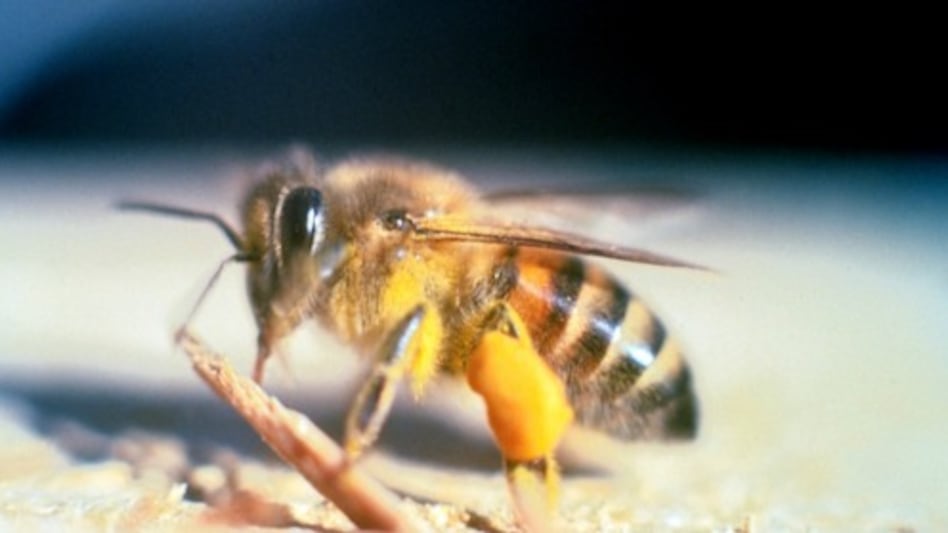
A small mistake inside a Brazilian research facility in 1957 set off one of the most unusual biological journeys in history. Twenty-six African queen honey bees escaped from an experimental apiary near Rio Claro, Brazil, eventually giving rise to Africanized honey bees — the insects popularly known as “killer bees” — that spread across an entire hemisphere and reached the United States decades later, according to a report by The Economic Times.
Today, the University of Florida’s Institute of Food and Agricultural Sciences (UF/IFAS) lists Africanized honey bees among America’s “Top 5 Most Wanted Invasive Insects.” But their story did not begin as an ecological threat. It began with a scientific experiment aimed at helping Brazilian farmers produce more honey.
A scientist’s plan to create a better honey bee
In the 1950s, Brazilian geneticist Warwick Estevam Kerr believed European honey bees, introduced to the Americas centuries earlier, were not well suited to Brazil’s tropical climate. The bees struggled in high temperatures, produced less honey and were more vulnerable to local conditions.
Kerr believed African honey bees (Apis mellifera scutellata), which had evolved in similar tropical environments, could provide a solution. They were more productive, more resilient and better adapted to heat.
Don't Miss: Emirates lets passengers pay with crypto for flight bookings. Here's everything you need to know
His idea was to combine the strengths of both species — the productivity and toughness of African bees with the calmer nature of European honey bees.
In 1956, Kerr was asked to import African queen bees from South Africa for an agricultural research project near Rio Claro, São Paulo. He brought in 63 queens from South Africa and Tanzania, hoping to develop a hybrid bee that could improve honey production for Brazilian beekeepers.
The 1957 mistake that changed the future of bees
The experiment was designed to remain under control. Kerr’s research hives were fitted with queen excluders — wire barriers that allowed worker bees to move while preventing the larger queen bees from leaving.
But in October 1957, a visiting beekeeper removed the barriers, mistakenly believing they had been placed there by accident.
The result changed the course of beekeeping history.
Twenty-six African queen bees escaped along with swarms of European worker bees and began forming colonies in Brazil’s forests.
Scientists initially believed African traits would disappear through crossbreeding. Instead, the opposite happened. The hybrid bees kept many African characteristics, including their ability to survive in tropical climates and their highly defensive behaviour.
The swarm that travelled across a continent
The escaped bees did not remain in Brazil. Africanized honey bees spread rapidly through South America, Central America and Mexico before entering the United States.
According to the US Department of Agriculture (USDA) and The Apiary Project, the bees expanded at an estimated speed of 100 to 300 miles (160 to 480 kilometres) per year, making them one of the fastest-spreading invasive insects in the Americas.
Their success came from their biology. Africanized colonies swarm more often than European honey bees, produce drones throughout the year and establish new colonies quickly.
Within a few decades, the bees crossed an entire hemisphere. They reached Southern Texas in 1990, Arizona in 1993 and California in 1995.
Why these bees became a concern
The biggest concern was not only their aggressive reputation but also their impact on agriculture and commercial beekeeping.
Scientists warned that Africanized honey bees could affect honey production and crop pollination because their colonies can be harder for beekeepers to manage. They may swarm more frequently, abandon nests more often and show stronger defensive behaviour.
Commercial beekeeping contributes hundreds of millions of dollars to honey production, while pollination supports billions of dollars in US agriculture. According to The Apiary Project, Africanized honey bees have also been linked to approximately 1,000 human deaths across two continents.
Are ‘killer bees’ really deadlier?
Despite their frightening nickname, researchers say the public image of “killer bees” is often exaggerated.
Africanized honey bees are not more dangerous because their venom is stronger. The risk comes from their behaviour — especially the number of bees that may attack together and the intensity with which they defend their colonies.
The scientist behind the controversial experiment
For Warwick Estevam Kerr, the escaped bees were only one part of a remarkable career.
A pioneering Brazilian geneticist, Kerr gained international recognition for his honey bee research after training under evolutionary biologist Theodosius Dobzhansky at Columbia University. His goal was to develop bees that could better survive Brazil’s tropical conditions and support local beekeepers.
But Kerr was also known for his political views. A self-described socialist, he became involved in activism during Brazil’s military dictatorship. After the armed forces seized power in 1964, his political beliefs and outspoken nature brought him into conflict with the government.
The accidental escape of 26 queen bees changed global perceptions of honey bees forever. What began as a scientific effort to help farmers became one of the most debated examples of how a small human mistake can reshape ecosystems.
A small mistake inside a Brazilian research facility in 1957 set off one of the most unusual biological journeys in history. Twenty-six African queen honey bees escaped from an experimental apiary near Rio Claro, Brazil, eventually giving rise to Africanized honey bees — the insects popularly known as “killer bees” — that spread across an entire hemisphere and reached the United States decades later, according to a report by The Economic Times.
Today, the University of Florida’s Institute of Food and Agricultural Sciences (UF/IFAS) lists Africanized honey bees among America’s “Top 5 Most Wanted Invasive Insects.” But their story did not begin as an ecological threat. It began with a scientific experiment aimed at helping Brazilian farmers produce more honey.
A scientist’s plan to create a better honey bee
In the 1950s, Brazilian geneticist Warwick Estevam Kerr believed European honey bees, introduced to the Americas centuries earlier, were not well suited to Brazil’s tropical climate. The bees struggled in high temperatures, produced less honey and were more vulnerable to local conditions.
Kerr believed African honey bees (Apis mellifera scutellata), which had evolved in similar tropical environments, could provide a solution. They were more productive, more resilient and better adapted to heat.
Don't Miss: Emirates lets passengers pay with crypto for flight bookings. Here's everything you need to know
His idea was to combine the strengths of both species — the productivity and toughness of African bees with the calmer nature of European honey bees.
In 1956, Kerr was asked to import African queen bees from South Africa for an agricultural research project near Rio Claro, São Paulo. He brought in 63 queens from South Africa and Tanzania, hoping to develop a hybrid bee that could improve honey production for Brazilian beekeepers.
The 1957 mistake that changed the future of bees
The experiment was designed to remain under control. Kerr’s research hives were fitted with queen excluders — wire barriers that allowed worker bees to move while preventing the larger queen bees from leaving.
But in October 1957, a visiting beekeeper removed the barriers, mistakenly believing they had been placed there by accident.
The result changed the course of beekeeping history.
Twenty-six African queen bees escaped along with swarms of European worker bees and began forming colonies in Brazil’s forests.
Scientists initially believed African traits would disappear through crossbreeding. Instead, the opposite happened. The hybrid bees kept many African characteristics, including their ability to survive in tropical climates and their highly defensive behaviour.
The swarm that travelled across a continent
The escaped bees did not remain in Brazil. Africanized honey bees spread rapidly through South America, Central America and Mexico before entering the United States.
According to the US Department of Agriculture (USDA) and The Apiary Project, the bees expanded at an estimated speed of 100 to 300 miles (160 to 480 kilometres) per year, making them one of the fastest-spreading invasive insects in the Americas.
Their success came from their biology. Africanized colonies swarm more often than European honey bees, produce drones throughout the year and establish new colonies quickly.
Within a few decades, the bees crossed an entire hemisphere. They reached Southern Texas in 1990, Arizona in 1993 and California in 1995.
Why these bees became a concern
The biggest concern was not only their aggressive reputation but also their impact on agriculture and commercial beekeeping.
Scientists warned that Africanized honey bees could affect honey production and crop pollination because their colonies can be harder for beekeepers to manage. They may swarm more frequently, abandon nests more often and show stronger defensive behaviour.
Commercial beekeeping contributes hundreds of millions of dollars to honey production, while pollination supports billions of dollars in US agriculture. According to The Apiary Project, Africanized honey bees have also been linked to approximately 1,000 human deaths across two continents.
Are ‘killer bees’ really deadlier?
Despite their frightening nickname, researchers say the public image of “killer bees” is often exaggerated.
Africanized honey bees are not more dangerous because their venom is stronger. The risk comes from their behaviour — especially the number of bees that may attack together and the intensity with which they defend their colonies.
The scientist behind the controversial experiment
For Warwick Estevam Kerr, the escaped bees were only one part of a remarkable career.
A pioneering Brazilian geneticist, Kerr gained international recognition for his honey bee research after training under evolutionary biologist Theodosius Dobzhansky at Columbia University. His goal was to develop bees that could better survive Brazil’s tropical conditions and support local beekeepers.
But Kerr was also known for his political views. A self-described socialist, he became involved in activism during Brazil’s military dictatorship. After the armed forces seized power in 1964, his political beliefs and outspoken nature brought him into conflict with the government.
The accidental escape of 26 queen bees changed global perceptions of honey bees forever. What began as a scientific effort to help farmers became one of the most debated examples of how a small human mistake can reshape ecosystems.