
Lava unveils Rs 16,999 Blaze Duo 3, bringing dual screens to India’s budget segment
The Blaze Duo 3 is positioned as India’s first dual-display smartphone in this segment, combining a full-sized AMOLED front panel with a secondary screen on the rear, a feature usually reserved for far more expensive devices.
- Jan 19, 2026,
- Updated Jan 19, 2026 1:41 PM IST
Lava International is pushing deeper into the premium-budget smartphone space with the launch of the Blaze Duo 3, betting that a dual-screen design can help it stand out in one of the world’s most competitive handset markets.
Priced at Rs 16,999, the Blaze Duo 3 is positioned as India’s first dual-display smartphone in this segment, combining a full-sized AMOLED front panel with a compact secondary screen on the rear, a feature usually reserved for far more expensive devices.
A second screen for everyday tasks
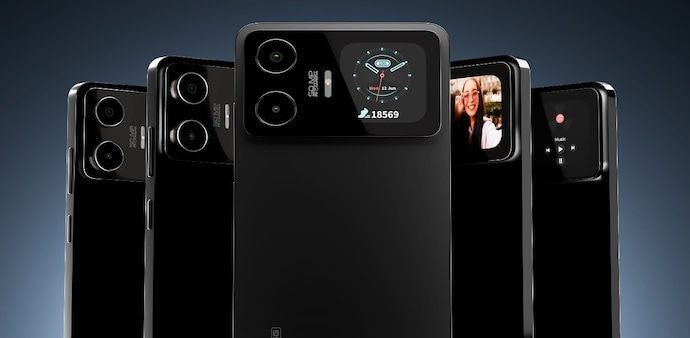
The defining feature of the Blaze Duo 3 is its 1.6-inch AMOLED rear display, embedded next to the camera module. The secondary screen lets users check notifications, control music, view animations and even preview selfies using the rear camera, without unlocking the phone or switching on the main display.
On the front, the phone has a 6.67-inch FHD+ AMOLED panel with a punch-hole camera cutout and a 120Hz refresh rate, putting it on par with several mid-range competitors focused on gaming and video consumption.
The design is slim at 7.55mm and comes in two finishes, Moonlight Black and Imperial Gold, aimed squarely at younger buyers looking for a more distinctive aesthetic.
Dimensity power and fast charging
Powering the Blaze Duo 3 is MediaTek’s Dimensity 7060 chipset, clocked at up to 2.6GHz. Lava has paired the processor with 6GB of LPDDR5 RAM, expandable to 12GB via virtual memory, and 128GB of UFS 3.1 storage, a combination that should comfortably handle everyday multitasking and casual gaming.
The phone packs a 5,000mAh battery with 33W fast charging, a now-standard specification in this price bracket, and one that should deliver a full day of usage for most users.
On the camera front, Lava has opted for a 50-megapixel AI rear sensor using Sony’s IMX752 sensor, along with an 8-megapixel front camera for video calls and selfies. The rear display doubles as a framing tool for higher-quality selfies using the main camera.
Clean Android and local service pitch
The Blaze Duo 3 runs Android 15 with what Lava describes as a “clean” software experience, free of bloatware, ads and unwanted notifications. The company has promised one major Android upgrade to Android 16 and two years of security updates.
“Blaze Duo 3 will feature a dual-screen display at an accessible price point, catering to young Lava patrons,” said Sumit Singh, Head of Product at Lava International. “The product has been conceptualised with a strong focus on design, convenience and purpose.”
Leaning into its “Made in India” positioning, Lava is also offering its Free Service@Home programme nationwide, under which technicians visit customers for repairs and support.
A risky bet
India’s sub-Rs 20,000 smartphone segment is dominated by Chinese brands such as Xiaomi, Realme, iQOO and Motorola, all of which compete aggressively on specifications and pricing. Lava’s dual-screen approach is an attempt to break that spec-sheet monotony with a novel feature.
The Blaze Duo 3 goes on sale in India from January 19, 2026.
Lava International is pushing deeper into the premium-budget smartphone space with the launch of the Blaze Duo 3, betting that a dual-screen design can help it stand out in one of the world’s most competitive handset markets.
Priced at Rs 16,999, the Blaze Duo 3 is positioned as India’s first dual-display smartphone in this segment, combining a full-sized AMOLED front panel with a compact secondary screen on the rear, a feature usually reserved for far more expensive devices.
A second screen for everyday tasks
The defining feature of the Blaze Duo 3 is its 1.6-inch AMOLED rear display, embedded next to the camera module. The secondary screen lets users check notifications, control music, view animations and even preview selfies using the rear camera, without unlocking the phone or switching on the main display.
On the front, the phone has a 6.67-inch FHD+ AMOLED panel with a punch-hole camera cutout and a 120Hz refresh rate, putting it on par with several mid-range competitors focused on gaming and video consumption.
The design is slim at 7.55mm and comes in two finishes, Moonlight Black and Imperial Gold, aimed squarely at younger buyers looking for a more distinctive aesthetic.
Dimensity power and fast charging
Powering the Blaze Duo 3 is MediaTek’s Dimensity 7060 chipset, clocked at up to 2.6GHz. Lava has paired the processor with 6GB of LPDDR5 RAM, expandable to 12GB via virtual memory, and 128GB of UFS 3.1 storage, a combination that should comfortably handle everyday multitasking and casual gaming.
The phone packs a 5,000mAh battery with 33W fast charging, a now-standard specification in this price bracket, and one that should deliver a full day of usage for most users.
On the camera front, Lava has opted for a 50-megapixel AI rear sensor using Sony’s IMX752 sensor, along with an 8-megapixel front camera for video calls and selfies. The rear display doubles as a framing tool for higher-quality selfies using the main camera.
Clean Android and local service pitch
The Blaze Duo 3 runs Android 15 with what Lava describes as a “clean” software experience, free of bloatware, ads and unwanted notifications. The company has promised one major Android upgrade to Android 16 and two years of security updates.
“Blaze Duo 3 will feature a dual-screen display at an accessible price point, catering to young Lava patrons,” said Sumit Singh, Head of Product at Lava International. “The product has been conceptualised with a strong focus on design, convenience and purpose.”
Leaning into its “Made in India” positioning, Lava is also offering its Free Service@Home programme nationwide, under which technicians visit customers for repairs and support.
A risky bet
India’s sub-Rs 20,000 smartphone segment is dominated by Chinese brands such as Xiaomi, Realme, iQOO and Motorola, all of which compete aggressively on specifications and pricing. Lava’s dual-screen approach is an attempt to break that spec-sheet monotony with a novel feature.
The Blaze Duo 3 goes on sale in India from January 19, 2026.