
Union Budget 2026: Focus on passenger infra, safety upgrades -- Travel and mobility sector's wishlist from Sitharaman
Union Budget 2026: A closer look at Budget 2026 expectations from the travel and mobility sector
- Jan 28, 2026,
- Updated Jan 28, 2026 6:56 PM IST
As Finance Minister Nirmala Sitharaman prepares to present the Union Budget 2026-27, expectations from the travel and mobility sector are moving beyond traditional infrastructure spending. While highways, railways, and urban transport continue to remain critical, industry leaders believe the next phase of growth must focus on passenger experience, integration, and operational efficiency.
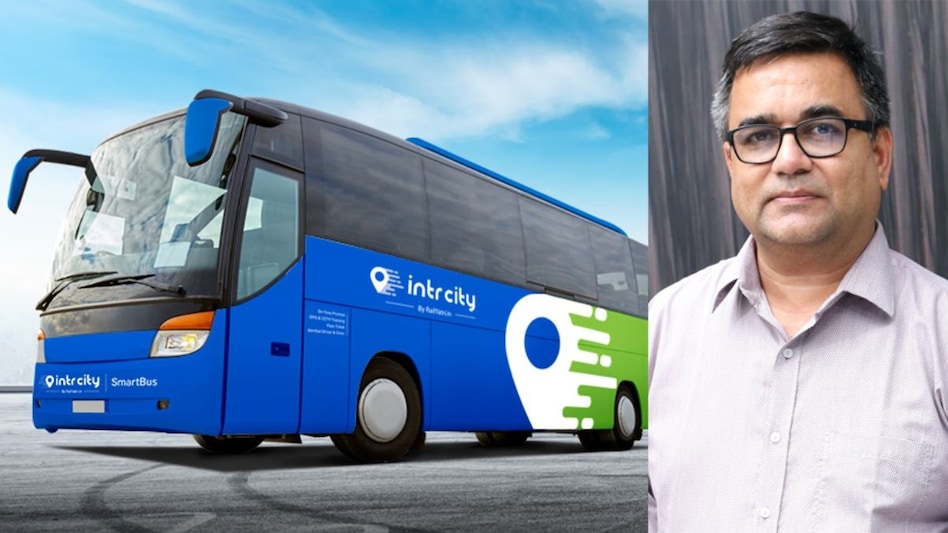
India’s intercity mobility ecosystem, particularly bus travel, is undergoing a visible transformation. According to Manish Rathi, Co-founder & CEO, IntrCity SmartBus, changing consumer behaviour is reshaping the sector.
“As we look toward the 2026 Union Budget, India’s intercity mobility ecosystem is at an inflection point. Over the past year, the industry has seen growing passenger preference for organized, reliable and experience-led bus travel, especially on medium and long-distance routes. While continued investment in highways remains critical, the next phase of growth must focus on passenger infrastructure and operational efficiency,” he says.
Rathi highlights that future growth will depend on passenger infrastructure and efficiency, not just road expansion. One of the key expectations from Budget 2026 is the development of the need for integrated hubs with safe boarding zones, enhanced security, clean restrooms and quality food facilities.
"Industry-wide, there is a strong consensus on the need for modern, airport-style bus terminals along key national corridors- integrated hubs designed with safe and controlled boarding zones, enhanced security measures, clean restrooms, and quality food facilities,” Rathi notes.
He adds that with the right fiscal incentives and public-private collaboration, Budget 2026 can accelerate the shift toward a sustainable, organised and future-ready intercity mobility ecosystem.
Similar expectations are echoed from the rail sector. Rathi points to strong execution momentum in Indian Railways over the past year.
“Progress across safety upgrades, capacity enhancement, infrastructure modernisation and passenger-focused improvements reinforces confidence that large-scale transport investments can be delivered efficiently,” he says.
Looking ahead, the industry sees integration as the next big opportunity. Linking trains, intercity buses and urban transit through shared hubs and digital systems can make journeys more predictable and convenient for passengers.
“The next phase of railway growth should prioritise seamless multimodal connectivity, where trains, intercity buses and urban transit systems work together to enable predictable, end-to-end journeys,” he adds.
As Finance Minister Nirmala Sitharaman prepares to present the Union Budget 2026-27, expectations from the travel and mobility sector are moving beyond traditional infrastructure spending. While highways, railways, and urban transport continue to remain critical, industry leaders believe the next phase of growth must focus on passenger experience, integration, and operational efficiency.
India’s intercity mobility ecosystem, particularly bus travel, is undergoing a visible transformation. According to Manish Rathi, Co-founder & CEO, IntrCity SmartBus, changing consumer behaviour is reshaping the sector.
“As we look toward the 2026 Union Budget, India’s intercity mobility ecosystem is at an inflection point. Over the past year, the industry has seen growing passenger preference for organized, reliable and experience-led bus travel, especially on medium and long-distance routes. While continued investment in highways remains critical, the next phase of growth must focus on passenger infrastructure and operational efficiency,” he says.
Rathi highlights that future growth will depend on passenger infrastructure and efficiency, not just road expansion. One of the key expectations from Budget 2026 is the development of the need for integrated hubs with safe boarding zones, enhanced security, clean restrooms and quality food facilities.
"Industry-wide, there is a strong consensus on the need for modern, airport-style bus terminals along key national corridors- integrated hubs designed with safe and controlled boarding zones, enhanced security measures, clean restrooms, and quality food facilities,” Rathi notes.
He adds that with the right fiscal incentives and public-private collaboration, Budget 2026 can accelerate the shift toward a sustainable, organised and future-ready intercity mobility ecosystem.
Similar expectations are echoed from the rail sector. Rathi points to strong execution momentum in Indian Railways over the past year.
“Progress across safety upgrades, capacity enhancement, infrastructure modernisation and passenger-focused improvements reinforces confidence that large-scale transport investments can be delivered efficiently,” he says.
Looking ahead, the industry sees integration as the next big opportunity. Linking trains, intercity buses and urban transit through shared hubs and digital systems can make journeys more predictable and convenient for passengers.
“The next phase of railway growth should prioritise seamless multimodal connectivity, where trains, intercity buses and urban transit systems work together to enable predictable, end-to-end journeys,” he adds.