
Budget 2026: What is Union Budget? What it funds, how it’s made, and why it matters
At its core, the Union Budget is the country’s financial blueprint, a legal, economic and policy instrument that determines how public money flows through the system
- Jan 22, 2026,
- Updated Feb 1, 2026 11:45 AM IST
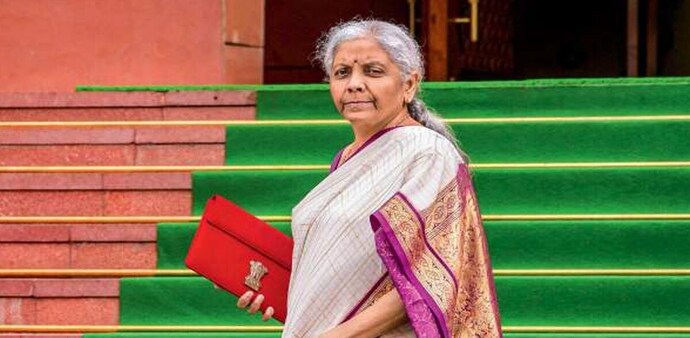
Budget 2026 | Union Finance Minister Nirmala Sitharaman’s presented her ninth consecutive Budget in the Parliament on February 1 2026. The Finance Minister emphasised that the government has consistently chosen reform over rhetoric and addressed global uncertainty.
Why the Union Budget matters
The Union Budget is one of the most consequential exercises in India’s governance cycle. It lays out financial goals, sectoral priorities and the government’s economic strategy for the year ahead.
It determines:
-
How resources are allocated across sectors
-
Which industries receive policy and financial support
-
Where public investment is directed
-
How welfare and development priorities are funded
The Budget also acts as a signal to investors, both domestic and foreign, indicating which sectors are likely to see government backing and regulatory support. In effect, it reflects the direction in which the economy is headed.
Direct impact on citizens
The Budget shapes everyday life through its impact on:
-
Direct and indirect taxes
-
Income tax slabs and rates
-
Deductions and exemptions
-
Tax calculation methods
These provisions directly influence household finances, consumption decisions and savings planning for millions of Indians.
How the Union Budget is made
The Budget process begins constitutionally with the President.
The President’s constitutional role
Under Article 87, the President addresses a joint sitting of the Lok Sabha and Rajya Sabha at:
-
The start of the first session after a general election
-
The beginning of the first session every year
This address outlines the government’s policies, priorities, achievements and plans for the year ahead. While delivered by the President, it is prepared by the Union Cabinet.
A “Motion of Thanks” follows in both Houses, where members debate and vote on the address, formally acknowledging the government’s roadmap.
The President’s role is constitutionally central, the office stands at the apex of both the executive and the legislature. Importantly, the President’s prior recommendation is required for Money Bills, including the Budget, making this step essential to its presentation.
With the new Parliament complex, this joint sitting now takes place in the new chamber.
Rituals and traditions of the Budget
Over the years, the Budget process has also evolved its own symbolic traditions.
Dahi-cheeni
Under Droupadi Murmu, the custom of dahi-cheeni (curd and sugar) has gained renewed prominence. Before presenting the Budget, Finance Minister Nirmala Sitharaman meets the President at Rashtrapati Bhavan, where dahi-cheeni is offered as a cultural symbol of good luck and blessings for a successful Budget presentation.
The halwa ceremony
Before Budget documents are printed and officials enter the confidential “lock-in” period, the finance minister participates in the traditional halwa ceremony, marking the formal sealing of Budget preparations.
The bahi-khata
The colonial-era briefcase is now history. Sitharaman introduced the bahi-khata, a red, folded cloth ledger, as the symbolic carrier of Budget papers, blending tradition with institutional continuity.
Interim Budgets and election years
In general election years, the Budget process can be split. The outgoing government presents an Interim Budget, while the incoming government presents the full Union Budget. This was last seen in 2024–25, ahead of the 18th Lok Sabha elections held between April and June.
Budget 2026 | Union Finance Minister Nirmala Sitharaman’s presented her ninth consecutive Budget in the Parliament on February 1 2026. The Finance Minister emphasised that the government has consistently chosen reform over rhetoric and addressed global uncertainty.
Why the Union Budget matters
The Union Budget is one of the most consequential exercises in India’s governance cycle. It lays out financial goals, sectoral priorities and the government’s economic strategy for the year ahead.
It determines:
-
How resources are allocated across sectors
-
Which industries receive policy and financial support
-
Where public investment is directed
-
How welfare and development priorities are funded
The Budget also acts as a signal to investors, both domestic and foreign, indicating which sectors are likely to see government backing and regulatory support. In effect, it reflects the direction in which the economy is headed.
Direct impact on citizens
The Budget shapes everyday life through its impact on:
-
Direct and indirect taxes
-
Income tax slabs and rates
-
Deductions and exemptions
-
Tax calculation methods
These provisions directly influence household finances, consumption decisions and savings planning for millions of Indians.
How the Union Budget is made
The Budget process begins constitutionally with the President.
The President’s constitutional role
Under Article 87, the President addresses a joint sitting of the Lok Sabha and Rajya Sabha at:
-
The start of the first session after a general election
-
The beginning of the first session every year
This address outlines the government’s policies, priorities, achievements and plans for the year ahead. While delivered by the President, it is prepared by the Union Cabinet.
A “Motion of Thanks” follows in both Houses, where members debate and vote on the address, formally acknowledging the government’s roadmap.
The President’s role is constitutionally central, the office stands at the apex of both the executive and the legislature. Importantly, the President’s prior recommendation is required for Money Bills, including the Budget, making this step essential to its presentation.
With the new Parliament complex, this joint sitting now takes place in the new chamber.
Rituals and traditions of the Budget
Over the years, the Budget process has also evolved its own symbolic traditions.
Dahi-cheeni
Under Droupadi Murmu, the custom of dahi-cheeni (curd and sugar) has gained renewed prominence. Before presenting the Budget, Finance Minister Nirmala Sitharaman meets the President at Rashtrapati Bhavan, where dahi-cheeni is offered as a cultural symbol of good luck and blessings for a successful Budget presentation.
The halwa ceremony
Before Budget documents are printed and officials enter the confidential “lock-in” period, the finance minister participates in the traditional halwa ceremony, marking the formal sealing of Budget preparations.
The bahi-khata
The colonial-era briefcase is now history. Sitharaman introduced the bahi-khata, a red, folded cloth ledger, as the symbolic carrier of Budget papers, blending tradition with institutional continuity.
Interim Budgets and election years
In general election years, the Budget process can be split. The outgoing government presents an Interim Budget, while the incoming government presents the full Union Budget. This was last seen in 2024–25, ahead of the 18th Lok Sabha elections held between April and June.