
Healthcare industry seeks ₹1 lakh crore financing window, tax breaks in Budget 2027-28
NATHEALTH also proposes a ₹5,000 crore MedTech innovation fund, wider health insurance coverage and incentives to address healthcare workforce shortages.
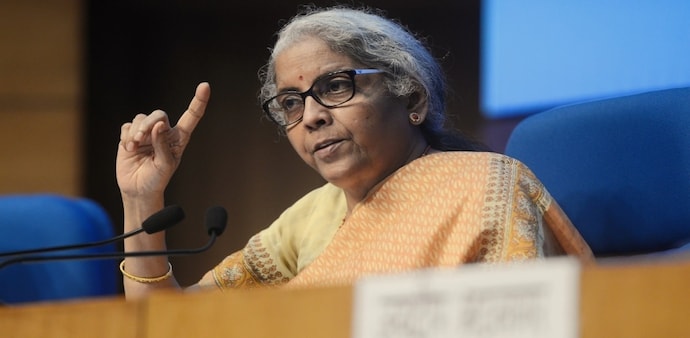
- Nov 28, 2026,
- Updated Nov 28, 2026 3:37 PM IST
The healthcare industry has urged the government to set up a dedicated ₹1 lakh crore financing window for healthcare infrastructure, provide tax incentives for preventive health screenings and ensure GST neutrality for the sector as part of its recommendations for the Union Budget 2027-28.
The 12-point agenda, submitted by NATHEALTH, the Healthcare Federation of India, on November 25, seeks to address the high cost of capital for healthcare providers, improve access to quality care beyond metropolitan cities and attract greater private investment into the sector.
The proposals come against the backdrop of rising public healthcare expenditure and the continuing dependence of Indian households on out-of-pocket spending. According to the latest National Health Accounts estimates for 2023-24, total health expenditure stood at ₹9.52 lakh crore, equivalent to 3.29% of GDP. Government health expenditure stood at ₹4.14 lakh crore, or 1.43% of GDP, while households continued to bear 42.7% of total health expenditure through out-of-pocket payments.
The proposed Healthcare Infrastructure and Resilience Window would combine long-term debt, credit enhancement and selective viability-gap funding to support investments in hospitals and other healthcare infrastructure. The industry body has called for financing conditions linked to quality, accreditation, transparency and access to healthcare services.
"The sector has the capability and the willingness to invest, and government has the vision and the reach," said Dr Sangita Reddy, President of NATHEALTH and Joint Managing Director of Apollo Hospitals Group.
Among the other recommendations is an annual tax deduction of up to ₹10,000 for eligible preventive health screenings. The industry body has also proposed co-funded programmes targeting non-communicable diseases (NCDs), with outcomes measured in terms of diagnosis, treatment and follow-up rather than the number of tests conducted.
On digital healthcare, it has called for time-bound incentives to help smaller healthcare providers adopt interoperable digital health records, consent-based data exchange, cybersecurity systems and integrated workflows. An NHCX-based claims-discounting solution has also been proposed to improve payment flows across the healthcare ecosystem.
The recommendations also seek to widen health insurance coverage through a standardised, actuarially priced base insurance product for the 'missing middle', along with pilot programmes for outpatient and chronic care coverage.
Workforce availability, particularly outside major cities, is another area highlighted in the proposals. The industry body wants eligible hospitals, diagnostic centres and home-care providers to be recognised as supervised training and assessment centres, with funding linked to training, competency, placement and retention outcomes. It has also sought time-bound incentives for critical healthcare professionals in districts facing workforce shortages, along with an expansion of Diplomate of National Board (DNB) training and specialist rotations through hospital networks.
The emphasis on workforce development comes as India continues to expand its medical education capacity. Government data released in December 2025 showed that the number of medical colleges had increased from 387 in 2014 to 818, while the number of undergraduate medical seats had risen from 51,348 to 1,28,875.
Push for domestic MedTech and healthcare exports
Seeking greater government support for innovation and domestic manufacturing, the industry body has proposed a ₹5,000 crore HealthTech and MedTech Translational Platform. The proposed platform would provide competitive grants, challenge-based funding and co-investment for clinical validation, regulatory readiness, evidence generation and commercial scale-up.
It has also called for a ₹750 crore annual market development fund to promote 'Heal in India' as a healthcare services export initiative. The proposed fund would support international payer partnerships, visa facilitation and an integrated healthcare experience for international patients. Furthermore, the recommendations seek export credit support, certification assistance and facilitation of regulatory approvals in priority markets, particularly for eligible micro, small and medium enterprises (MSMEs).
Reddy also called for operationalising the Medical Value Travel hubs announced in the previous Union Budget to improve India's medical tourism infrastructure and facilitate the movement of international patients.
Himanshu Baid, Senior Vice President of NATHEALTH and Managing Director of Poly Medicure, said India had the manufacturing base and clinical capabilities needed to expand its presence in global healthcare markets.
"That ambition needs a policy environment in which investors, innovators and providers can plan for the long term with confidence," he said.
Varun Khanna, Vice President of NATHEALTH and Managing Director and Group CEO of Aster DM Quality Care, said investments in healthcare infrastructure, particularly in underserved and emerging regions, would improve access to medical services.
"When the high cost of capital eases, the benefit does not stay with providers alone. It translates into more affordable care and better value for every rupee a patient spends," he said.
The industry body's proposals seek to link government support to measurable commitments on service delivery in underserved regions, quality standards, patient safety, price transparency, financial accountability and health outcomes.