
26-year-old heart transplant survivor’s insurance denies vital drug, cost jumps from $180 to $1,000; viral posts bring Mark Cuban to her rescue
The story was shared on social media, where Warris Bokhari, CEO and co-founder of AI startup Claimable, and Mark Cuban were tagged.
- Aug 19, 2026,
- Updated Aug 19, 2026 8:30 AM IST
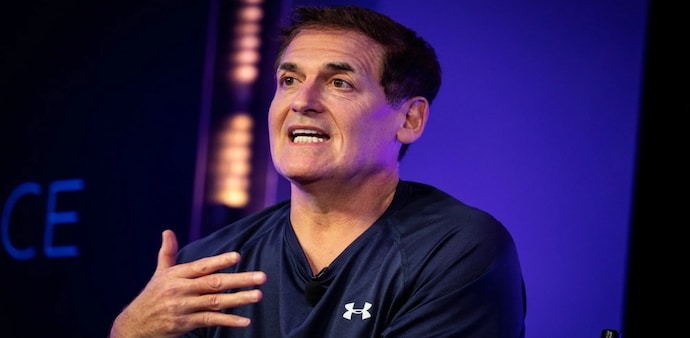
A 26-year-old heart transplant survivor was struggling to afford a medicine she needs to protect her transplanted heart after her insurance company stopped covering it. Her story spread on social media and eventually caught the attention of billionaire Mark Cuban, whose pharmacy helped bring down the cost of the drug.
Payton Herres had a heart transplant when she was a preteen. A year after the surgery, she started taking everolimus, a generic version of Novartis’ anti-rejection drug Zortress, off-label.
Last year, her insurance provider, Elevance Health, told her it would no longer cover the drug.
From $180 to $1,000 for the same medicine
With no clear way forward, Herres shared her situation on Facebook.
“I didn't know what else to do,” she told MarketWatch.
Her post was shared thousands of times. Her insurance coverage was restored the next day, but there was a catch: the price had jumped sharply.
According to a report by Yahoo Finance, Herres had earlier paid $180 for a 90-day supply. After the coverage was restored, she was charged $1,000 for the same 90-day supply.
“I call that ghost approval. Technically, you approved it,” Herres told MarketWatch. “But I still can't realistically get the med because you [made] it financially impossible to get.”
Her story later went viral again after The Independent published a report about Mary Cutter.
Cutter’s 24-year-old son, her only child, died in 2012. His heart was donated to Herres. Cutter offered to pay for Herres’ medicine so she could continue taking it.
The story was shared on social media, where Warris Bokhari, CEO and co-founder of AI startup Claimable, and Mark Cuban were tagged.
Don't Miss: 'We must address friction points. Need predictable taxation': Sergio Gor lays out US asks for India
Mark Cuban responds
Cuban responded to one of Herres’ posts on LinkedIn.
“This is beyond incredible,” Cuban wrote. “Approve and pay for the heart transplant. Deny the generic rejection medicine.”
Cuban’s pharmacy then stepped in and began supplying Herres with the medicine for about $300 for 90 days.
A nonprofit linked to Bokhari’s startup is paying the cost.
Insurance denials affect more patients
Herres’ experience comes as more patients are facing problems getting medicines and medical care approved by insurance companies.
A recent study by healthcare consulting firm IQVIA found that 70% of commercially insured patients were initially denied coverage for at least one newly prescribed branded medicine in 2024.
Nearly a quarter of patients were still unable to get approval for any new prescriptions after a year.
The issue is not limited to medicines.
A Commonwealth Fund study found that 21% of US working-age adults with private insurance said they or a family member had been denied medical care recommended by a doctor.
Among those who faced a denial, nearly 70% said it cost them or their households more money.
Why can insurance companies deny claims?
There can be several reasons for a denial. These include billing mistakes, administrative problems and treatments that an insurer says are not medically necessary.
Claims can also be denied when treatment is provided by an out-of-network doctor or hospital.
In Herres’ case, Elevance Health told MarketWatch that the denials “did not fully account for Ms. Herres' treatment history with everolimus.”
The company also said the drug is considered a specialty medicine and costs more.
Must Read: Google to shift Pixel production to India by 2027 to reduce China dependency: All details
What can patients do after a denial?
Patients have the right to appeal an insurance denial. They can ask their insurance company to review the decision.
In some cases, they can also ask for an external review by a third party.
Before appealing, patients should find out why the claim was rejected and collect documents showing what their insurance policy covers.
If the appeal does not work, patients can file a complaint with their state insurance commissioner.
Keeping some money aside for medical expenses can also help when an insurance company refuses to pay. Medical bills are a major financial burden for many Americans, and emergency savings can help cover costs while patients work through the insurance process.
For Herres, however, savings alone may not have been enough to deal with a medicine that could cost $1,000 every 90 days.
A 26-year-old heart transplant survivor was struggling to afford a medicine she needs to protect her transplanted heart after her insurance company stopped covering it. Her story spread on social media and eventually caught the attention of billionaire Mark Cuban, whose pharmacy helped bring down the cost of the drug.
Payton Herres had a heart transplant when she was a preteen. A year after the surgery, she started taking everolimus, a generic version of Novartis’ anti-rejection drug Zortress, off-label.
Last year, her insurance provider, Elevance Health, told her it would no longer cover the drug.
From $180 to $1,000 for the same medicine
With no clear way forward, Herres shared her situation on Facebook.
“I didn't know what else to do,” she told MarketWatch.
Her post was shared thousands of times. Her insurance coverage was restored the next day, but there was a catch: the price had jumped sharply.
According to a report by Yahoo Finance, Herres had earlier paid $180 for a 90-day supply. After the coverage was restored, she was charged $1,000 for the same 90-day supply.
“I call that ghost approval. Technically, you approved it,” Herres told MarketWatch. “But I still can't realistically get the med because you [made] it financially impossible to get.”
Her story later went viral again after The Independent published a report about Mary Cutter.
Cutter’s 24-year-old son, her only child, died in 2012. His heart was donated to Herres. Cutter offered to pay for Herres’ medicine so she could continue taking it.
The story was shared on social media, where Warris Bokhari, CEO and co-founder of AI startup Claimable, and Mark Cuban were tagged.
Don't Miss: 'We must address friction points. Need predictable taxation': Sergio Gor lays out US asks for India
Mark Cuban responds
Cuban responded to one of Herres’ posts on LinkedIn.
“This is beyond incredible,” Cuban wrote. “Approve and pay for the heart transplant. Deny the generic rejection medicine.”
Cuban’s pharmacy then stepped in and began supplying Herres with the medicine for about $300 for 90 days.
A nonprofit linked to Bokhari’s startup is paying the cost.
Insurance denials affect more patients
Herres’ experience comes as more patients are facing problems getting medicines and medical care approved by insurance companies.
A recent study by healthcare consulting firm IQVIA found that 70% of commercially insured patients were initially denied coverage for at least one newly prescribed branded medicine in 2024.
Nearly a quarter of patients were still unable to get approval for any new prescriptions after a year.
The issue is not limited to medicines.
A Commonwealth Fund study found that 21% of US working-age adults with private insurance said they or a family member had been denied medical care recommended by a doctor.
Among those who faced a denial, nearly 70% said it cost them or their households more money.
Why can insurance companies deny claims?
There can be several reasons for a denial. These include billing mistakes, administrative problems and treatments that an insurer says are not medically necessary.
Claims can also be denied when treatment is provided by an out-of-network doctor or hospital.
In Herres’ case, Elevance Health told MarketWatch that the denials “did not fully account for Ms. Herres' treatment history with everolimus.”
The company also said the drug is considered a specialty medicine and costs more.
Must Read: Google to shift Pixel production to India by 2027 to reduce China dependency: All details
What can patients do after a denial?
Patients have the right to appeal an insurance denial. They can ask their insurance company to review the decision.
In some cases, they can also ask for an external review by a third party.
Before appealing, patients should find out why the claim was rejected and collect documents showing what their insurance policy covers.
If the appeal does not work, patients can file a complaint with their state insurance commissioner.
Keeping some money aside for medical expenses can also help when an insurance company refuses to pay. Medical bills are a major financial burden for many Americans, and emergency savings can help cover costs while patients work through the insurance process.
For Herres, however, savings alone may not have been enough to deal with a medicine that could cost $1,000 every 90 days.