
58 dead, 70,000 at sit-in, trucks stranded: Pakistan denies blocking essentials to PoK as unrest widens
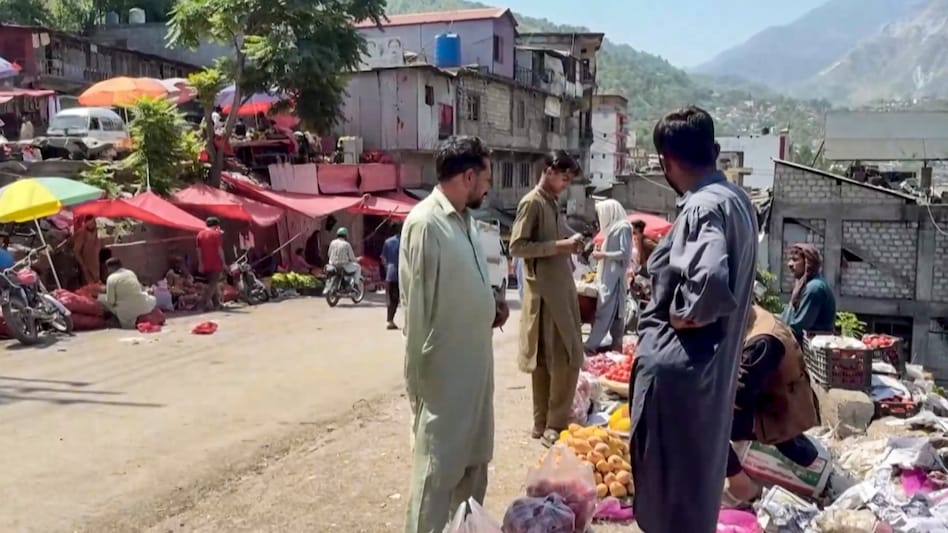
Markets, pharmacies and petrol pumps have remained closed or operated for limited hours in several areas, including Muzaffarabad, Poonch and Rawalakot
- Jun 25, 2026,
- Updated Jun 25, 2026 8:36 AM IST
Residents across Pakistan-occupied Kashmir are reporting shortages of food, medicines and fuel as protests against the regional government continue. Activists and opposition figures claim at least 58 people have been killed, although independently confirmed tolls reported by AFP and Reuters remain lower.
AFP has reported medicine and food shortages in Muzaffarabad, while BBC Urdu cited residents who alleged that groceries, medicines and fuel were being stopped at checkpoints. Dawn, quoting an unnamed senior official, reported that authorities had adopted a strategy that included disrupting food supplies reaching protesters in Rawalakot.
Pakistani authorities have denied imposing a blockade and maintain that essential supplies are moving normally.
Authorities later banned the organisation under anti-terror laws, filed cases against its leaders and deployed additional security forces. The move intensified protests and led to a territory-wide shutdown.
Residents report shortages
Markets, pharmacies and petrol pumps have remained closed or operated for limited hours in several areas, including Muzaffarabad, Poonch and Rawalakot.
Muhammad Masqeen, a 64-year-old resident of Muzaffarabad, said he had been unable to find medicines.
“I have been searching for medicine everywhere, but I cannot find it. Even big stores are closed,” he said.
Another resident, Sabar Hussain, said food stocks were running low after days of disruption.
“For eight days, we have been going through very difficult times. Markets are closed, and there is very little to eat except vegetables,” he said.
Residents have also alleged that vehicles carrying groceries, fuel and medicines were stopped at checkpoints linking the region with Pakistan. Authorities have denied blocking essential supplies and said deliveries were continuing.
However, road closures, the shutdown and restrictions on movement have disrupted commercial supply chains, leaving shops with limited stock and forcing some residents to buy fuel on the black market.
Government faces pressure
The regional government has accused JAAC supporters of violence and says the crackdown is aimed at restoring order. Protest leaders maintain that their movement is focused on political representation and local rights.
The shutdown has also affected daily-wage workers, transport operators and small businesses.
“Since June 9, I have not earned a single rupee,” said Ikhlaq Ahmed, a labourer in Muzaffarabad.
Medical stores and some grocery shops have begun opening for limited periods, but fuel stations and several businesses remain shut.
Protesters camped near Rawalakot are expected to announce their next course of action, raising the possibility of further demonstrations or a march towards Muzaffarabad.
The continuing standoff has left residents caught between the protest shutdown and government restrictions, with no immediate settlement in sight.
(With inputs from Shounak sanyal)
Residents across Pakistan-occupied Kashmir are reporting shortages of food, medicines and fuel as protests against the regional government continue. Activists and opposition figures claim at least 58 people have been killed, although independently confirmed tolls reported by AFP and Reuters remain lower.
AFP has reported medicine and food shortages in Muzaffarabad, while BBC Urdu cited residents who alleged that groceries, medicines and fuel were being stopped at checkpoints. Dawn, quoting an unnamed senior official, reported that authorities had adopted a strategy that included disrupting food supplies reaching protesters in Rawalakot.
Pakistani authorities have denied imposing a blockade and maintain that essential supplies are moving normally.
Authorities later banned the organisation under anti-terror laws, filed cases against its leaders and deployed additional security forces. The move intensified protests and led to a territory-wide shutdown.
Residents report shortages
Markets, pharmacies and petrol pumps have remained closed or operated for limited hours in several areas, including Muzaffarabad, Poonch and Rawalakot.
Muhammad Masqeen, a 64-year-old resident of Muzaffarabad, said he had been unable to find medicines.
“I have been searching for medicine everywhere, but I cannot find it. Even big stores are closed,” he said.
Another resident, Sabar Hussain, said food stocks were running low after days of disruption.
“For eight days, we have been going through very difficult times. Markets are closed, and there is very little to eat except vegetables,” he said.
Residents have also alleged that vehicles carrying groceries, fuel and medicines were stopped at checkpoints linking the region with Pakistan. Authorities have denied blocking essential supplies and said deliveries were continuing.
However, road closures, the shutdown and restrictions on movement have disrupted commercial supply chains, leaving shops with limited stock and forcing some residents to buy fuel on the black market.
Government faces pressure
The regional government has accused JAAC supporters of violence and says the crackdown is aimed at restoring order. Protest leaders maintain that their movement is focused on political representation and local rights.
The shutdown has also affected daily-wage workers, transport operators and small businesses.
“Since June 9, I have not earned a single rupee,” said Ikhlaq Ahmed, a labourer in Muzaffarabad.
Medical stores and some grocery shops have begun opening for limited periods, but fuel stations and several businesses remain shut.
Protesters camped near Rawalakot are expected to announce their next course of action, raising the possibility of further demonstrations or a march towards Muzaffarabad.
The continuing standoff has left residents caught between the protest shutdown and government restrictions, with no immediate settlement in sight.
(With inputs from Shounak sanyal)