
'Bibi, you better be careful': Trump warns Netanyahu as tensions with Iran flare up
The warning followed a tense 24-hour period that began when Israel struck targets linked to Hezbollah in Beirut on Sunday. Iran responded with a missile barrage against Israel, raising fears of a broader regional war
- Jun 9, 2026,
- Updated Jun 9, 2026 9:31 AM IST
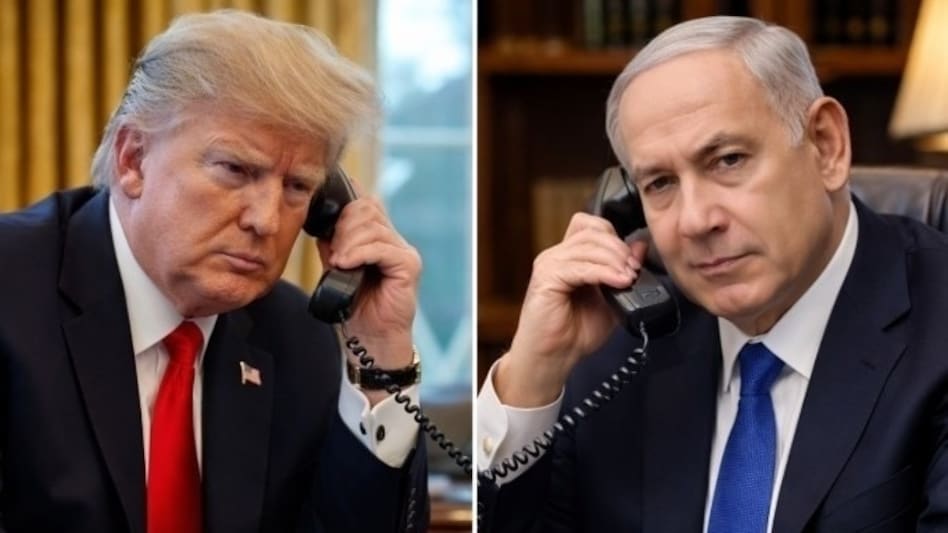
In the middle of a rapidly escalating exchange of strikes between Israel and Iran, US President Donald Trump picked up the phone and delivered a blunt message to Israeli Prime Minister Benjamin Netanyahu.
"I said, 'Bibi, you better be careful, or you will be on your own very soon,'" Trump told Axios, making clear that his patience with Israeli military action that could derail diplomatic efforts with Tehran was running thin.
How the escalation unfolded
The warning followed a tense 24-hour period that began when Israel struck targets linked to Hezbollah in Beirut on Sunday. Iran responded with a missile barrage against Israel, raising fears of a broader regional war. Trump, who has spent months pursuing a diplomatic agreement with Iran, urged Netanyahu not to retaliate further, arguing that a breakthrough in negotiations could be reached within days.
Netanyahu informed the White House that Israel would proceed regardless, with limited strikes. Israel subsequently targeted facilities inside Iran. Tehran responded with another wave of missiles. The US military did not participate in the strikes but assisted Israel in intercepting the incoming Iranian missiles, according to US defence officials.
As the situation deteriorated, Trump held another call with Netanyahu and pressed him to stand down before a larger wave of Israeli attacks could be launched. Israeli officials said Netanyahu ultimately agreed to halt further strikes on the condition that Iran refrained from additional attacks.
Trump also said several regional governments had contacted him, urging restraint, and that Iranian officials had signalled through intermediaries that they were prepared to stop if Israel did the same.
Netanyahu's case for the campaign
In a televised address on Monday, Netanyahu defended Israel's military conduct, saying a preemptive strike against Iran a year ago had prevented Tehran from acquiring nuclear weapons. He reiterated that Israel would never allow Iran to obtain a nuclear bomb.
Netanyahu also said Hezbollah had been preparing a large-scale assault on northern Israel involving thousands of fighters and a massive missile barrage, and that Israel had foiled the plan, killed Hezbollah leader Hassan Nasrallah, and continued dismantling the group's military infrastructure, including underground facilities in southern Lebanon.
He argued that Iran and Hezbollah are now weaker than at any point in recent memory, while Israel has emerged stronger. But he warned that the conflict is not over, accusing both Iran and Hezbollah of attempting to establish a new equation by launching attacks from Iranian and Lebanese territory.
Netanyahu said Israel was holding its fire because Iranian attacks had ceased following Israeli operations, but warned that any renewed aggression from Tehran would be met with an "overwhelming force" response. He said he had conveyed the same position directly to Trump and vowed that Israel would continue acting with determination to restore security along its northern border.
In the middle of a rapidly escalating exchange of strikes between Israel and Iran, US President Donald Trump picked up the phone and delivered a blunt message to Israeli Prime Minister Benjamin Netanyahu.
"I said, 'Bibi, you better be careful, or you will be on your own very soon,'" Trump told Axios, making clear that his patience with Israeli military action that could derail diplomatic efforts with Tehran was running thin.
How the escalation unfolded
The warning followed a tense 24-hour period that began when Israel struck targets linked to Hezbollah in Beirut on Sunday. Iran responded with a missile barrage against Israel, raising fears of a broader regional war. Trump, who has spent months pursuing a diplomatic agreement with Iran, urged Netanyahu not to retaliate further, arguing that a breakthrough in negotiations could be reached within days.
Netanyahu informed the White House that Israel would proceed regardless, with limited strikes. Israel subsequently targeted facilities inside Iran. Tehran responded with another wave of missiles. The US military did not participate in the strikes but assisted Israel in intercepting the incoming Iranian missiles, according to US defence officials.
As the situation deteriorated, Trump held another call with Netanyahu and pressed him to stand down before a larger wave of Israeli attacks could be launched. Israeli officials said Netanyahu ultimately agreed to halt further strikes on the condition that Iran refrained from additional attacks.
Trump also said several regional governments had contacted him, urging restraint, and that Iranian officials had signalled through intermediaries that they were prepared to stop if Israel did the same.
Netanyahu's case for the campaign
In a televised address on Monday, Netanyahu defended Israel's military conduct, saying a preemptive strike against Iran a year ago had prevented Tehran from acquiring nuclear weapons. He reiterated that Israel would never allow Iran to obtain a nuclear bomb.
Netanyahu also said Hezbollah had been preparing a large-scale assault on northern Israel involving thousands of fighters and a massive missile barrage, and that Israel had foiled the plan, killed Hezbollah leader Hassan Nasrallah, and continued dismantling the group's military infrastructure, including underground facilities in southern Lebanon.
He argued that Iran and Hezbollah are now weaker than at any point in recent memory, while Israel has emerged stronger. But he warned that the conflict is not over, accusing both Iran and Hezbollah of attempting to establish a new equation by launching attacks from Iranian and Lebanese territory.
Netanyahu said Israel was holding its fire because Iranian attacks had ceased following Israeli operations, but warned that any renewed aggression from Tehran would be met with an "overwhelming force" response. He said he had conveyed the same position directly to Trump and vowed that Israel would continue acting with determination to restore security along its northern border.