
Darkness at 9 pm: Pakistan shuts markets, slashes allocations amid severe fuel & gas crisis
Traders and local business owners have voiced immediate concern over the early closing hours, warning that shortened operating windows will further squeeze commercial revenues during an already sluggish economic environment.
- Sep 18, 2026,
- Updated Sep 18, 2026 8:54 PM IST
Quiet descended on Islamabad’s bustling commercial avenues well before the usual midnight rush, as shopkeepers pulled down metal shutters under the shadow of new government mandates.
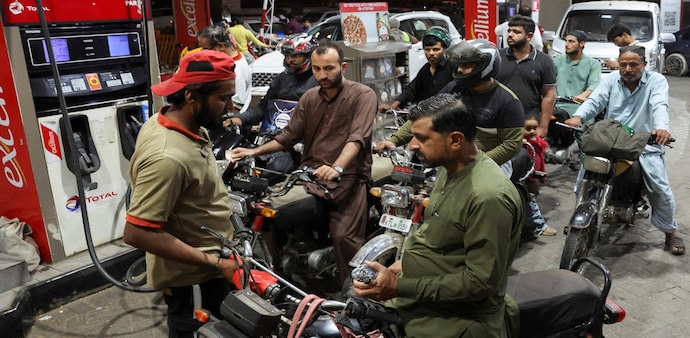
Facing a severe energy emergency driven by escalating geopolitical conflict in West Asia and soaring global petroleum costs, Pakistan has rolled out sweeping, lockdown-like austerity measures designed to stem fuel and natural gas consumption nationwide.
Under the newly issued directive, commercial markets, shopping centers, and bazaars across the country must cease operation by 9:00 PM, while marriage halls face a 10:00 PM closing limit and restaurants are forced to wrap up dine-in services by 11:00 PM.
The sweeping restrictions — exempting only essential entities such as pharmacies, medical laboratories, and emergency services — mirror peak pandemic-era lockdowns and reflect the severity of the liquidity and supply pressures bearing down on the state.
The drastic intervention follows a sharp upward revision in domestic fuel prices earlier this week, which saw petrol climb by PKR 4.10 per litre to PKR 384.34 (Rs 132.75), while high-speed diesel surged by PKR 6.41 per litre to reach PKR 415.83 (Rs 143.62). The price spikes, fueled by international crude volatility amid conflict between the United States and Iran, have placed immense strain on both state reserves and ordinary citizens.
To curb administrative consumption, the federal government ordered an immediate 50% reduction in fuel allocations for non-essential state vehicles. In addition, official foreign travel for ministers and civil servants has been suspended for three months, non-employee administrative expenditure has been trimmed by 5%, and official state banquets have been prohibited except for visiting foreign dignitaries.
Federal agencies have been instructed to transition internal meetings to virtual platforms and freeze all purchases of new government vehicles.
While the government launched a targeted relief scheme to cushion low-income motorists, public frustration continues to grow over complex registration hurdles and administrative bottlenecks.
Traders and local business owners have voiced immediate concern over the early closing hours, warning that shortened operating windows will further squeeze commercial revenues during an already sluggish economic environment. Political pressure is also mounting, with opposition groups threatening nationwide demonstrations unless the government finds a way to alleviate the burden of record-high energy prices.
Quiet descended on Islamabad’s bustling commercial avenues well before the usual midnight rush, as shopkeepers pulled down metal shutters under the shadow of new government mandates.
Facing a severe energy emergency driven by escalating geopolitical conflict in West Asia and soaring global petroleum costs, Pakistan has rolled out sweeping, lockdown-like austerity measures designed to stem fuel and natural gas consumption nationwide.
Under the newly issued directive, commercial markets, shopping centers, and bazaars across the country must cease operation by 9:00 PM, while marriage halls face a 10:00 PM closing limit and restaurants are forced to wrap up dine-in services by 11:00 PM.
The sweeping restrictions — exempting only essential entities such as pharmacies, medical laboratories, and emergency services — mirror peak pandemic-era lockdowns and reflect the severity of the liquidity and supply pressures bearing down on the state.
The drastic intervention follows a sharp upward revision in domestic fuel prices earlier this week, which saw petrol climb by PKR 4.10 per litre to PKR 384.34 (Rs 132.75), while high-speed diesel surged by PKR 6.41 per litre to reach PKR 415.83 (Rs 143.62). The price spikes, fueled by international crude volatility amid conflict between the United States and Iran, have placed immense strain on both state reserves and ordinary citizens.
To curb administrative consumption, the federal government ordered an immediate 50% reduction in fuel allocations for non-essential state vehicles. In addition, official foreign travel for ministers and civil servants has been suspended for three months, non-employee administrative expenditure has been trimmed by 5%, and official state banquets have been prohibited except for visiting foreign dignitaries.
Federal agencies have been instructed to transition internal meetings to virtual platforms and freeze all purchases of new government vehicles.
While the government launched a targeted relief scheme to cushion low-income motorists, public frustration continues to grow over complex registration hurdles and administrative bottlenecks.
Traders and local business owners have voiced immediate concern over the early closing hours, warning that shortened operating windows will further squeeze commercial revenues during an already sluggish economic environment. Political pressure is also mounting, with opposition groups threatening nationwide demonstrations unless the government finds a way to alleviate the burden of record-high energy prices.