
End of the line for Cybertruck: Musk confirms major manufacturing shift at Texas gigafactory
The decision underscores a broader transformation within Tesla as the EV giant recalibrates its core focus toward autonomous mobility. The Cybertruck, first unveiled as a radical polygon-styled concept in late 2019, entered limited consumer production in 2023 following multiple engineering delays.
- Nov 6, 2026,
- Updated Nov 6, 2026 1:36 PM IST
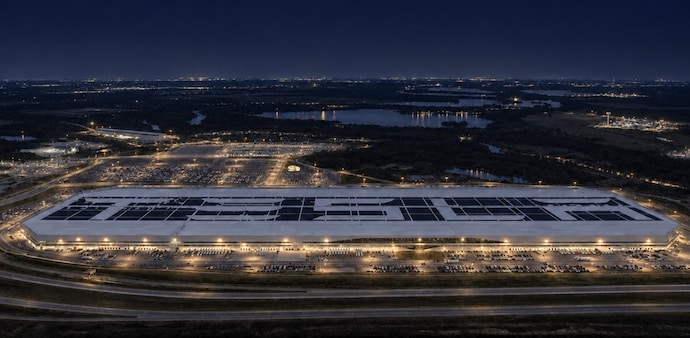
In a decisive strategic pivot, Tesla will end production of its flagship Cybertruck at Gigafactory Texas around mid-2027, clearing manufacturing capacity to accelerate mass assembly of its purpose-built autonomous Cybercab.
Chief Executive (CEO) Elon Musk announced the manufacturing transition on social media platform X (formally twitter), outlining a clear reallocation of resources at the Austin facility.
"Tesla will be winding down production of the Cybertruck at Gigafactory Texas around the middle of next year to make room for increased Cybercab production," Musk highlighted.
He did not clarify whether Cybertruck production will relocate to an alternate facility or be phased out entirely.
Shift in manufacturing priorities
The decision underscores a broader transformation within Tesla as the EV giant recalibrates its core focus toward autonomous mobility. The Cybertruck, first unveiled as a radical polygon-styled concept in late 2019, entered limited consumer production in 2023 following multiple engineering delays.
Designed to challenge legacy Detroit automakers in the lucrative pickup segment, the stainless-steel vehicle struggled to maintain long-term demand momentum amid high price points, production quality issues, and several safety-related recalls.
Conversely, the Cybercab has emerged as the centerpiece of Tesla’s long-term business model. Designed explicitly for driverless operation without conventional manual controls like steering wheels or pedals, the vehicle is slated to anchor Tesla's planned public robotaxi network.
By converting existing assembly lines at its flagship Texas plant, Tesla aims to meet aggressive output targets for public Cybercab sales despite ongoing regulatory scrutiny and federal safety probes surrounding autonomous tech.
The manufacturing phaseout in Austin marks the end of an ambitious chapter for the Cybertruck and signals a definitive shift toward an AI-driven, autonomous fleet model.