
Escalating Houthi-Saudi clashes trigger fresh US travel warning across West Asia
The emergency advisories follow a series of long-range ballistic missile and drone salvos launched by Iran-backed Houthi forces in Yemen targeting key Saudi infrastructure, including the capital city of Riyadh.
- Sep 20, 2026,
- Updated Sep 20, 2026 8:37 AM IST
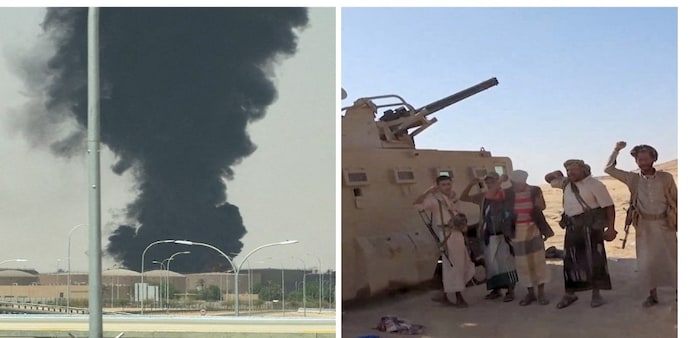
Sirens sounding across major Saudi Arabian cities, plumes of smoke over Riyadh's main transit corridors, and a sharp uptick in cross-border missile launches have prompted a sweeping security alert from American diplomats.
The United States State Department and the US Embassy in Israel issued concurrent travel warnings, urging American citizens traveling to or residing in the West Asia region to exercise extreme vigilance as regional hostilities rapidly broaden.
The emergency advisories follow a series of long-range ballistic missile and drone salvos launched by Iran-backed Houthi forces in Yemen targeting key Saudi infrastructure, including the capital city of Riyadh.
In a security bulletin issued by the US Embassy in Jerusalem, officials warned that the security environment across the region remains unpredictable and could deteriorate without notice.
"Due to tensions in the Middle East, the security environment remains complex with the potential for unforeseen escalation," the embassy stated. "Americans currently in the Middle East should exercise heightened vigilance and be aware of potential flight cancellations, airspace closures, and travel disruptions."
The advisory specifically highlighted the Houthi movement’s history of targeting civilian transportation hubs, noting that "Iranian-supported Houthis have engaged in hostilities against Saudi Arabia, including civilian airports."
Saudi military authorities reported that their air defense forces intercepted a ballistic missile fired toward Riyadh at dawn. Houthi military representatives claimed responsibility for launching coordinated strikes using cruise missiles, ballistic projectiles, and combat drones against "sensitive sites" in the Saudi capital and oil storage installations in Yanbu.
The diplomatic missions cautioned that American assets, commercial operations, and government facilities worldwide could face heightened collateral risks from regional proxies.
"US diplomatic facilities, including outside the Middle East, have been targeted," the State Department advisory noted. "Iran and groups supportive of Iran may target other US interests overseas or at locations associated with the United States and Americans throughout the world, including US businesses and other institutions."
Despite the security alert, US diplomatic operations in the region — including the primary embassy facilities in Jerusalem and the Tel Aviv branch office — remain operational. However, government personnel in Saudi Arabia face tightened movement restrictions, including strict prohibitions on traveling near the Yemeni border.
The United States maintains a Level 3 "Reconsider Travel" advisory for both Saudi Arabia and Israel, while Yemen remains under a Level 4 "Do Not Travel" designation. US authorities continue to advise travelers across the region to monitor commercial flight statuses directly with carriers and maintain contingency exit plans.
Sirens sounding across major Saudi Arabian cities, plumes of smoke over Riyadh's main transit corridors, and a sharp uptick in cross-border missile launches have prompted a sweeping security alert from American diplomats.
The United States State Department and the US Embassy in Israel issued concurrent travel warnings, urging American citizens traveling to or residing in the West Asia region to exercise extreme vigilance as regional hostilities rapidly broaden.
The emergency advisories follow a series of long-range ballistic missile and drone salvos launched by Iran-backed Houthi forces in Yemen targeting key Saudi infrastructure, including the capital city of Riyadh.
In a security bulletin issued by the US Embassy in Jerusalem, officials warned that the security environment across the region remains unpredictable and could deteriorate without notice.
"Due to tensions in the Middle East, the security environment remains complex with the potential for unforeseen escalation," the embassy stated. "Americans currently in the Middle East should exercise heightened vigilance and be aware of potential flight cancellations, airspace closures, and travel disruptions."
The advisory specifically highlighted the Houthi movement’s history of targeting civilian transportation hubs, noting that "Iranian-supported Houthis have engaged in hostilities against Saudi Arabia, including civilian airports."
Saudi military authorities reported that their air defense forces intercepted a ballistic missile fired toward Riyadh at dawn. Houthi military representatives claimed responsibility for launching coordinated strikes using cruise missiles, ballistic projectiles, and combat drones against "sensitive sites" in the Saudi capital and oil storage installations in Yanbu.
The diplomatic missions cautioned that American assets, commercial operations, and government facilities worldwide could face heightened collateral risks from regional proxies.
"US diplomatic facilities, including outside the Middle East, have been targeted," the State Department advisory noted. "Iran and groups supportive of Iran may target other US interests overseas or at locations associated with the United States and Americans throughout the world, including US businesses and other institutions."
Despite the security alert, US diplomatic operations in the region — including the primary embassy facilities in Jerusalem and the Tel Aviv branch office — remain operational. However, government personnel in Saudi Arabia face tightened movement restrictions, including strict prohibitions on traveling near the Yemeni border.
The United States maintains a Level 3 "Reconsider Travel" advisory for both Saudi Arabia and Israel, while Yemen remains under a Level 4 "Do Not Travel" designation. US authorities continue to advise travelers across the region to monitor commercial flight statuses directly with carriers and maintain contingency exit plans.