
Hiroshima & Nagasaki Day 2026: What happened in August 1945 and why it still matters
With thousands of nuclear warheads still existing worldwide, Hiroshima and Nagasaki continue to serve as stark reminders of the destructive power of nuclear weapons and the importance of preventing their use again.
- Aug 6, 2026,
- Updated Aug 6, 2026 5:28 PM IST
Every year on August 6 and August 9, the world pauses to remember the atomic bombings of the Japanese cities of Hiroshima and Nagasaki — the only two instances in history where nuclear weapons have been used in war.
More than eight decades later, the bombings continue to shape global debates on nuclear weapons, international security, and the humanitarian consequences of war. They also serve as a solemn reminder of the devastating human cost of nuclear conflict.
What happened on Hiroshima Day?
On the morning of August 6, 1945, during the final weeks of World War II, the United States dropped an atomic bomb nicknamed "Little Boy" on Hiroshima.
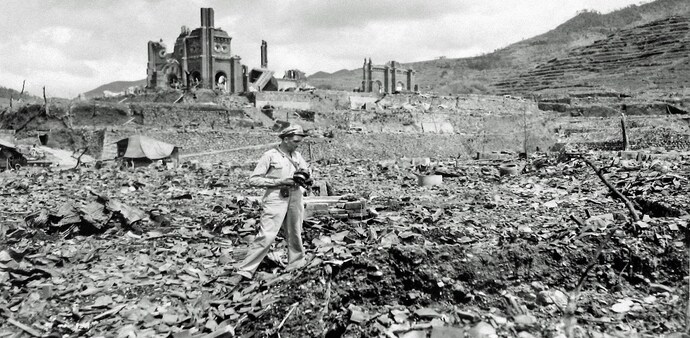
The bomb detonated about 600 metres above the city, unleashing a massive blast, intense heat, and deadly radiation. Entire neighbourhoods were flattened within seconds.
An estimated 70,000 to 80,000 people died instantly, with tens of thousands more succumbing in the following months and years due to severe burns, injuries, and radiation-related illnesses.
What happened on Nagasaki Day?
Three days later, on August 9, 1945, the United States dropped a second atomic bomb, called "Fat Man," on Nagasaki.
Although the city's hilly terrain reduced some of the blast's impact compared with Hiroshima, the explosion still caused catastrophic destruction.
Around 40,000 people were killed immediately, with the death toll rising significantly over time because of injuries and radiation exposure.
Why were the bombs dropped?
The United States argued that using atomic bombs would force Japan to surrender quickly and avoid a prolonged invasion that could have resulted in even greater casualties on both sides.
Japan announced its surrender on August 15, 1945, effectively bringing World War II to an end. The formal surrender was signed on September 2, 1945.
Historians continue to debate whether the bombings were militarily necessary or whether Japan was already close to surrender. The issue remains one of the most discussed and contested decisions in modern military history.
How many people died?
The exact number of victims is difficult to determine, but historical estimates suggest:
- Hiroshima: Around 140,000 deaths by the end of 1945.
- Nagasaki: Around 70,000 deaths by the end of 1945.
Many survivors later developed cancers, leukemia, cataracts, and other long-term health conditions linked to radiation exposure.
Who are the Hibakusha?
The survivors of the atomic bombings are known as Hibakusha, a Japanese term meaning "bomb-affected people."
For decades, many Hibakusha have shared their experiences around the world, advocating for nuclear disarmament and warning future generations about the humanitarian consequences of nuclear war.
Their testimonies remain among the most powerful firsthand accounts of the effects of nuclear weapons.
Hiroshima and Nagasaki are commemorated each year with:
- August 6: Hiroshima holds a Peace Memorial Ceremony, including a minute of silence at 8:15 a.m., the exact time the bomb exploded.
- August 9: Nagasaki observes a similar memorial at 11:02 a.m., when the second bomb detonated.
The ceremonies feature survivors, government leaders, diplomats, and peace activists who call for a world free of nuclear weapons. Thousands of paper cranes — symbols of peace inspired by the story of Sadako Sasaki — are also offered in remembrance.
Why do Hiroshima and Nagasaki still matter today?
The anniversaries are more than historical observances. They remain central to discussions on:
- Nuclear weapons and global disarmament
- Arms control and non-proliferation
- Civilian protection during armed conflict
- The humanitarian impact of modern warfare
With thousands of nuclear warheads still existing worldwide, Hiroshima and Nagasaki continue to serve as stark reminders of the destructive power of nuclear weapons and the importance of preventing their use again.
Hiroshima Day and Nagasaki Day commemorate two of the most consequential events of the 20th century. Beyond marking the end of World War II, they stand as enduring symbols of the human cost of nuclear warfare and reinforce the global call for peace, dialogue, and nuclear risk reduction.
Every year on August 6 and August 9, the world pauses to remember the atomic bombings of the Japanese cities of Hiroshima and Nagasaki — the only two instances in history where nuclear weapons have been used in war.
More than eight decades later, the bombings continue to shape global debates on nuclear weapons, international security, and the humanitarian consequences of war. They also serve as a solemn reminder of the devastating human cost of nuclear conflict.
What happened on Hiroshima Day?
On the morning of August 6, 1945, during the final weeks of World War II, the United States dropped an atomic bomb nicknamed "Little Boy" on Hiroshima.
The bomb detonated about 600 metres above the city, unleashing a massive blast, intense heat, and deadly radiation. Entire neighbourhoods were flattened within seconds.
An estimated 70,000 to 80,000 people died instantly, with tens of thousands more succumbing in the following months and years due to severe burns, injuries, and radiation-related illnesses.
What happened on Nagasaki Day?
Three days later, on August 9, 1945, the United States dropped a second atomic bomb, called "Fat Man," on Nagasaki.
Although the city's hilly terrain reduced some of the blast's impact compared with Hiroshima, the explosion still caused catastrophic destruction.
Around 40,000 people were killed immediately, with the death toll rising significantly over time because of injuries and radiation exposure.
Why were the bombs dropped?
The United States argued that using atomic bombs would force Japan to surrender quickly and avoid a prolonged invasion that could have resulted in even greater casualties on both sides.
Japan announced its surrender on August 15, 1945, effectively bringing World War II to an end. The formal surrender was signed on September 2, 1945.
Historians continue to debate whether the bombings were militarily necessary or whether Japan was already close to surrender. The issue remains one of the most discussed and contested decisions in modern military history.
How many people died?
The exact number of victims is difficult to determine, but historical estimates suggest:
- Hiroshima: Around 140,000 deaths by the end of 1945.
- Nagasaki: Around 70,000 deaths by the end of 1945.
Many survivors later developed cancers, leukemia, cataracts, and other long-term health conditions linked to radiation exposure.
Who are the Hibakusha?
The survivors of the atomic bombings are known as Hibakusha, a Japanese term meaning "bomb-affected people."
For decades, many Hibakusha have shared their experiences around the world, advocating for nuclear disarmament and warning future generations about the humanitarian consequences of nuclear war.
Their testimonies remain among the most powerful firsthand accounts of the effects of nuclear weapons.
Hiroshima and Nagasaki are commemorated each year with:
- August 6: Hiroshima holds a Peace Memorial Ceremony, including a minute of silence at 8:15 a.m., the exact time the bomb exploded.
- August 9: Nagasaki observes a similar memorial at 11:02 a.m., when the second bomb detonated.
The ceremonies feature survivors, government leaders, diplomats, and peace activists who call for a world free of nuclear weapons. Thousands of paper cranes — symbols of peace inspired by the story of Sadako Sasaki — are also offered in remembrance.
Why do Hiroshima and Nagasaki still matter today?
The anniversaries are more than historical observances. They remain central to discussions on:
- Nuclear weapons and global disarmament
- Arms control and non-proliferation
- Civilian protection during armed conflict
- The humanitarian impact of modern warfare
With thousands of nuclear warheads still existing worldwide, Hiroshima and Nagasaki continue to serve as stark reminders of the destructive power of nuclear weapons and the importance of preventing their use again.
Hiroshima Day and Nagasaki Day commemorate two of the most consequential events of the 20th century. Beyond marking the end of World War II, they stand as enduring symbols of the human cost of nuclear warfare and reinforce the global call for peace, dialogue, and nuclear risk reduction.