
Iran offers to reopen Strait of Hormuz in 2 days, resume nuclear talks with US
Tehran made it clear the proposal would move forward only if Washington accepted its demands, including lifting the blockade of Iranian ports
- Nov 2, 2026,
- Updated Nov 2, 2026 6:36 PM IST
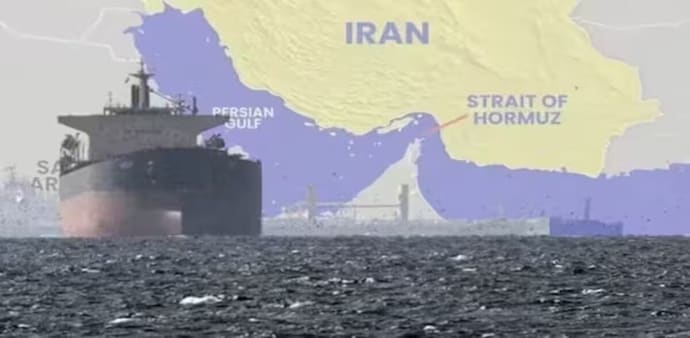
Iran has announced a two-day plan to reopen the Strait of Hormuz and resume nuclear negotiations with the United States, the Associated Press (AP) reported on Monday.
However, Tehran made it clear the proposal would move forward only if Washington accepted its demands, including lifting the blockade of Iranian ports.
The announcement comes amid concerns over renewed fighting in West Asia.
Iran's top diplomat said on Sunday that he hoped the United States would choose "diplomacy over other paths."
Iranian Foreign Ministry spokesperson Esmail Baghaei said the proposal would continue to serve as the basis for negotiations with Washington through mediators, despite the shorter implementation timeline. "This once again demonstrates Iran's good-faith approach," Baghaei said.
Iran had earlier said the Strait of Hormuz could be reopened within a week if the United States accepted seven conditions, including lifting its blockade of Iranian ports.
Under the revised proposal, the process could be completed within two days, although the underlying conditions remain unchanged.
Tehran has said that vessels passing through the reopened strait would have to follow a route agreed upon by Iran and Oman and travel under Iranian supervision.
Separately, Iranian officials have demanded that Washington lift sanctions on Iranian oil sales and agree to a ceasefire that also includes Lebanon.
Iranian leaders had previously refused US peace proposals, highlighting the difficulties involved in reaching an agreement between the two countries.
Also, just on Sunday, Iranian officials had rejected nuclear negotiations and demanded acceptance of their conditions for ending the war.
"The window for negotiations with our adversaries is now closed because they have nothing new to offer," Ali Nikzad, deputy speaker of Iran's parliament, said on Sunday.
Nikzad accused the adversaries of repeatedly breaking commitments and attacking Iran's nuclear facilities. He said that renewed military action would trigger an "immediate, effective response without geographical limits."
Foreign Minister Abbas Araghchi, however, said consultations with Qatari mediators were progressing without a final agreement.