
Iran war to end? Trump says, 'We’ll be leaving very soon,' signals US exit in 2–3 weeks
US-Israel-Iran war:The White House said Trump would address the nation at 9 pm on Wednesday (6.30 am Thursday IST), where he is expected to provide an update on the situation
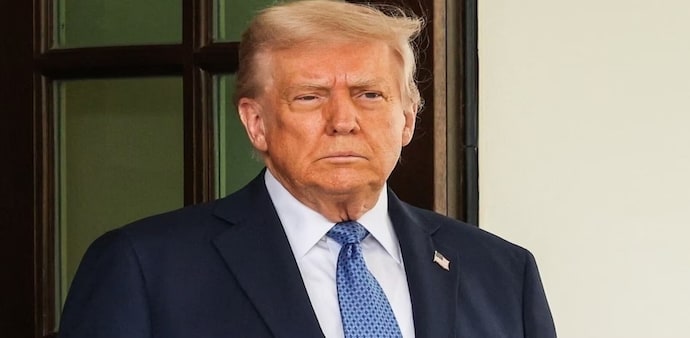
- Apr 1, 2026,
- Updated Apr 1, 2026 7:39 AM IST
US President Donald Trump said Washington could wind down its military campaign against Iran within weeks, offering the clearest signal yet of a possible end to the month-long conflict that has unsettled the Middle East and global energy markets.
Speaking at the White House, Trump said, "We'll be leaving very soon," adding that the withdrawal could happen "within two weeks, maybe two weeks, maybe three," according to Reuters.
No deal needed to end the conflict
Trump indicated that a formal agreement with Tehran was not a prerequisite for ending the operation.
"Iran doesn't have to make a deal, no," he said, adding, "No, they don't have to make a deal with me."
Instead, he tied the end of the campaign to the weakening of Iran’s capabilities, saying the US would leave once Iran had been "put into the stone ages" and could no longer rapidly develop a nuclear weapon. "Then we'll leave," Trump said.
Address to nation expected
The White House said Trump would address the nation at 9 pm on Wednesday (6.30 am Thursday IST), where he is expected to provide an update on the situation.
Washington has previously warned that military action could be escalated if Iran refuses to accept a proposed ceasefire framework. The proposal includes commitments by Iran to abandon nuclear weapons ambitions, halt uranium enrichment and allow full reopening of the Strait of Hormuz.
Mixed signals on diplomacy
At the same time, US Defense Secretary Pete Hegseth said Trump remains open to a deal to end the conflict, which has spread across the region, disrupted energy supplies and raised concerns over a wider economic fallout.
On the Iranian side, Foreign Minister Abbas Araghchi said Tehran is receiving direct messages from the US but does not consider them formal negotiations.
Speaking to Al Jazeera, Araghchi said communications have taken place with US special envoy Steve Witkoff, though often indirectly.
Threats and escalation risks remain
The development comes amid rising tensions on multiple fronts.
Iran’s Revolutionary Guards have threatened to target major US technology and industrial companies from April 1 in response to strikes on Iranian territory. State media reports said 18 companies, including Microsoft, Google, Apple, Intel, IBM, Tesla and Boeing, were named as potential targets.
(With inputs from Reuters)
US President Donald Trump said Washington could wind down its military campaign against Iran within weeks, offering the clearest signal yet of a possible end to the month-long conflict that has unsettled the Middle East and global energy markets.
Speaking at the White House, Trump said, "We'll be leaving very soon," adding that the withdrawal could happen "within two weeks, maybe two weeks, maybe three," according to Reuters.
No deal needed to end the conflict
Trump indicated that a formal agreement with Tehran was not a prerequisite for ending the operation.
"Iran doesn't have to make a deal, no," he said, adding, "No, they don't have to make a deal with me."
Instead, he tied the end of the campaign to the weakening of Iran’s capabilities, saying the US would leave once Iran had been "put into the stone ages" and could no longer rapidly develop a nuclear weapon. "Then we'll leave," Trump said.
Address to nation expected
The White House said Trump would address the nation at 9 pm on Wednesday (6.30 am Thursday IST), where he is expected to provide an update on the situation.
Washington has previously warned that military action could be escalated if Iran refuses to accept a proposed ceasefire framework. The proposal includes commitments by Iran to abandon nuclear weapons ambitions, halt uranium enrichment and allow full reopening of the Strait of Hormuz.
Mixed signals on diplomacy
At the same time, US Defense Secretary Pete Hegseth said Trump remains open to a deal to end the conflict, which has spread across the region, disrupted energy supplies and raised concerns over a wider economic fallout.
On the Iranian side, Foreign Minister Abbas Araghchi said Tehran is receiving direct messages from the US but does not consider them formal negotiations.
Speaking to Al Jazeera, Araghchi said communications have taken place with US special envoy Steve Witkoff, though often indirectly.
Threats and escalation risks remain
The development comes amid rising tensions on multiple fronts.
Iran’s Revolutionary Guards have threatened to target major US technology and industrial companies from April 1 in response to strikes on Iranian territory. State media reports said 18 companies, including Microsoft, Google, Apple, Intel, IBM, Tesla and Boeing, were named as potential targets.
(With inputs from Reuters)