
National emergency: Trump bans foreign equipment to protect power infrastructure. Here's why
The directive targets foreign actors accused of exploiting vulnerabilities within the US bulk-power system — the foundational network that fuels advanced manufacturing, defense facilities, artificial intelligence clusters, and emergency services nationwide.
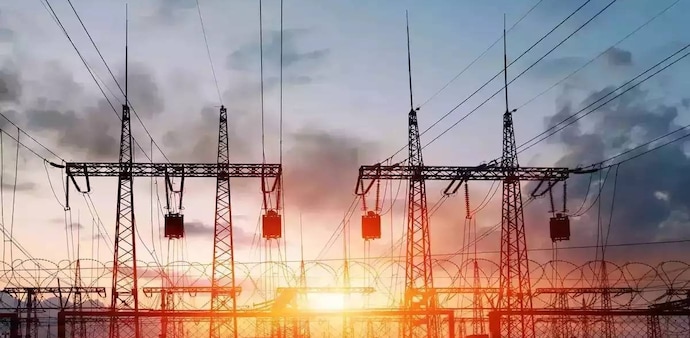
- Aug 28, 2026,
- Updated Aug 28, 2026 7:21 AM IST
Behind the flip of a light switch or the steady hum of a data center sits thousands of miles of high-voltage transmission equipment — much of it quietly running on components and digital software sourced from abroad.
On August 26, 2026, President Donald J Trump moved to sever those foreign supply chains, invoking emergency executive powers to block foreign-produced bulk-power equipment that could expose the nation’s electrical grid to sabotage or catastrophic cyberattacks.
Under the order, the administration declared a national emergency under both the International Emergency Economic Powers Act and the National Emergencies Act. The directive targets foreign actors accused of exploiting vulnerabilities within the US bulk-power system — the foundational network that fuels advanced manufacturing, defense facilities, artificial intelligence clusters, and emergency services nationwide.
What is blocked and What is exempt
The executive action sets a strict boundary around bulk-power equipment while carving out municipal systems to prevent immediate localised disruptions.
- Prohibited Tech: The order bars the purchase, installation, or transfer of foreign-produced bulk-power equipment and integrated digital software that pose undue operational or cyber risks.
- Core Vulnerabilities Targeted: Restrictions focus on equipment transactions involving foreign nationals that could enable unauthorized system access, physical disruption, or broader threats to critical infrastructure.
- Local Exemptions: The order explicitly excludes facilities designated solely for local electric distribution, ensuring everyday residential power utilities operate without emergency interruption.
Enforcement powers
Beyond placing a dynamic hold on future hardware purchases, the executive order grants broad authority to the Department of Energy to police equipment already active inside American sub-stations and control centers.
The Secretary of Energy, consulting alongside key Cabinet officials, is authorised to establish strict operational conditions on the continued use of existing foreign components.
Implementation rules must balance national security priorities against grid stability, safety, parts availability, and continuity of service. Furthermore, energy officials are tasked with identifying lingering supply chain risks and submitting direct mitigation strategies to the Assistant to the President for National Security Affairs.
The bulk-power decree follows a series of executive measures executed by the administration throughout 2025 and 2026 to fortify domestic supply chains against foreign dependence.
Behind the flip of a light switch or the steady hum of a data center sits thousands of miles of high-voltage transmission equipment — much of it quietly running on components and digital software sourced from abroad.
On August 26, 2026, President Donald J Trump moved to sever those foreign supply chains, invoking emergency executive powers to block foreign-produced bulk-power equipment that could expose the nation’s electrical grid to sabotage or catastrophic cyberattacks.
Under the order, the administration declared a national emergency under both the International Emergency Economic Powers Act and the National Emergencies Act. The directive targets foreign actors accused of exploiting vulnerabilities within the US bulk-power system — the foundational network that fuels advanced manufacturing, defense facilities, artificial intelligence clusters, and emergency services nationwide.
What is blocked and What is exempt
The executive action sets a strict boundary around bulk-power equipment while carving out municipal systems to prevent immediate localised disruptions.
- Prohibited Tech: The order bars the purchase, installation, or transfer of foreign-produced bulk-power equipment and integrated digital software that pose undue operational or cyber risks.
- Core Vulnerabilities Targeted: Restrictions focus on equipment transactions involving foreign nationals that could enable unauthorized system access, physical disruption, or broader threats to critical infrastructure.
- Local Exemptions: The order explicitly excludes facilities designated solely for local electric distribution, ensuring everyday residential power utilities operate without emergency interruption.
Enforcement powers
Beyond placing a dynamic hold on future hardware purchases, the executive order grants broad authority to the Department of Energy to police equipment already active inside American sub-stations and control centers.
The Secretary of Energy, consulting alongside key Cabinet officials, is authorised to establish strict operational conditions on the continued use of existing foreign components.
Implementation rules must balance national security priorities against grid stability, safety, parts availability, and continuity of service. Furthermore, energy officials are tasked with identifying lingering supply chain risks and submitting direct mitigation strategies to the Assistant to the President for National Security Affairs.
The bulk-power decree follows a series of executive measures executed by the administration throughout 2025 and 2026 to fortify domestic supply chains against foreign dependence.