
Polar bear numbers down 27% since 2016: Extinction fears are driving luxury tourism to this Canadian town
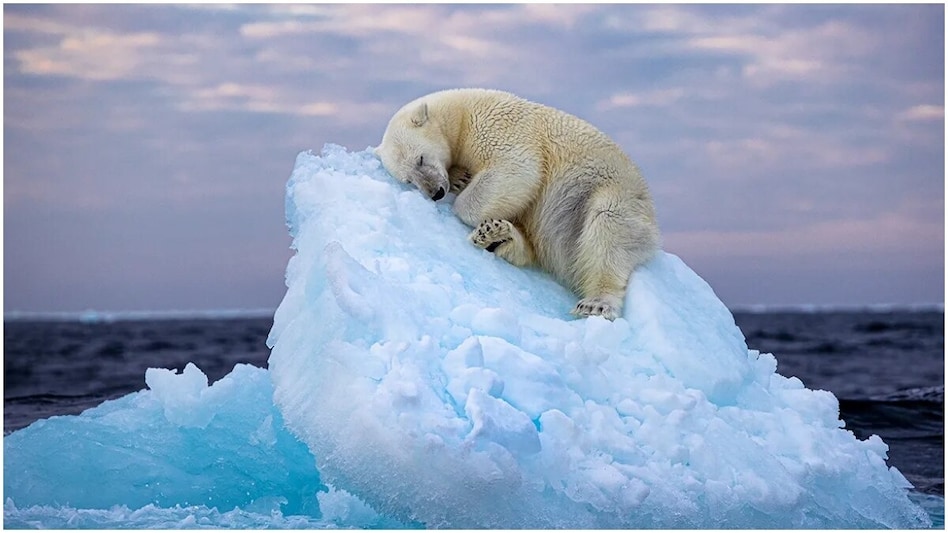
Churchill sits along one of the few routes where large numbers of polar bears congregate each winter, waiting for the sea ice to freeze before heading out to hunt
- Jun 12, 2026,
- Updated Jun 12, 2026 7:50 AM IST
A town of 900 people on the edge of Hudson Bay in Manitoba once watched its economy collapse in slow motion. The military left. The port faded. The radar stations went dark. Churchill, Canada, was running out of reasons to exist until it found one wandering across the tundra.
From abandoned outpost to polar bear capital
Churchill sits along one of the few routes where large numbers of polar bears congregate each winter, waiting for the sea ice to freeze before heading out to hunt. Locals saw the opportunity and took it. Specially built tundra vehicles began ferrying tourists directly into the bears' natural habitat, and Churchill gradually earned its reputation as the polar bear capital of the world, a destination that draws wildlife enthusiasts from across the globe.
Today, tourists visiting to see the bears spend between $3,000 and $8,000 per trip. Luxury Arctic safari packages can run as high as $25,000 per person. Some operators offer overnight stays in lodges or modified vehicles positioned within the bears' territory. The industry generates millions of dollars for Churchill's local economy every year.
The problem with the success story
The bears that saved Churchill are in trouble. Scientists studying Hudson Bay report that sea ice, the surface polar bears depend on for hunting seals, is forming later and melting earlier each year. Bears are spending longer periods on land without adequate food, affecting their health, reproductive rates, and long-term survival.
Researchers at the University of Manitoba found that polar bear numbers in the Churchill region declined by more than 27% between 2016 and 2021. Compared to the 1980s, the population has nearly halved. Conservation experts warn that if climate change continues unchecked, the outlook for polar bears in this region could become critical by 2050.
The rush to see what may not last
Tour operators have responded to this reality with a marketing strategy that is as candid as it is uncomfortable: last chance tourism. The pitch is direct; these animals may not be visible in their natural habitat much longer, so the time to see them is now.
It is working. Visitor numbers are climbing, and prices with them. The very uncertainty around the polar bear's future is, for now, the most powerful draw Churchill has. Irony aside, the pattern is not unique to Churchill; natural sites and wildlife around the world facing climate-driven decline have become subject to the same calculation, drawing tourists who want to witness something before it disappears.
A town of 900 people on the edge of Hudson Bay in Manitoba once watched its economy collapse in slow motion. The military left. The port faded. The radar stations went dark. Churchill, Canada, was running out of reasons to exist until it found one wandering across the tundra.
From abandoned outpost to polar bear capital
Churchill sits along one of the few routes where large numbers of polar bears congregate each winter, waiting for the sea ice to freeze before heading out to hunt. Locals saw the opportunity and took it. Specially built tundra vehicles began ferrying tourists directly into the bears' natural habitat, and Churchill gradually earned its reputation as the polar bear capital of the world, a destination that draws wildlife enthusiasts from across the globe.
Today, tourists visiting to see the bears spend between $3,000 and $8,000 per trip. Luxury Arctic safari packages can run as high as $25,000 per person. Some operators offer overnight stays in lodges or modified vehicles positioned within the bears' territory. The industry generates millions of dollars for Churchill's local economy every year.
The problem with the success story
The bears that saved Churchill are in trouble. Scientists studying Hudson Bay report that sea ice, the surface polar bears depend on for hunting seals, is forming later and melting earlier each year. Bears are spending longer periods on land without adequate food, affecting their health, reproductive rates, and long-term survival.
Researchers at the University of Manitoba found that polar bear numbers in the Churchill region declined by more than 27% between 2016 and 2021. Compared to the 1980s, the population has nearly halved. Conservation experts warn that if climate change continues unchecked, the outlook for polar bears in this region could become critical by 2050.
The rush to see what may not last
Tour operators have responded to this reality with a marketing strategy that is as candid as it is uncomfortable: last chance tourism. The pitch is direct; these animals may not be visible in their natural habitat much longer, so the time to see them is now.
It is working. Visitor numbers are climbing, and prices with them. The very uncertainty around the polar bear's future is, for now, the most powerful draw Churchill has. Irony aside, the pattern is not unique to Churchill; natural sites and wildlife around the world facing climate-driven decline have become subject to the same calculation, drawing tourists who want to witness something before it disappears.