
'Prosperous Iran or obliterated Iran': Trump's 4-point letter to Khamenei lays out final nuclear deal terms
The letter, delivered through Oman's mediation channel, represents the most detailed public articulation yet of what Washington is offering and what it demands in return
- Aug 24, 2026,
- Updated Aug 24, 2026 8:01 AM IST
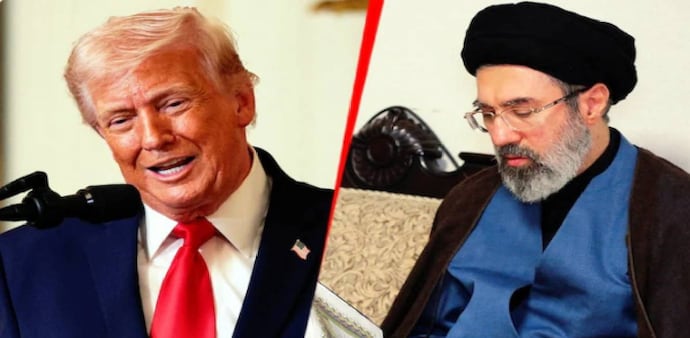
Donald Trump has sent a direct letter to Iran's new Supreme Leader laying out the terms of a nuclear deal, and framing the choice facing Tehran in characteristically blunt terms. Either Iran accepts and gains prosperity, normalised relations and security guarantees, or it refuses and faces what Trump described as the most severe economic and military pressure in history.
The letter, delivered through Oman's mediation channel, represents the most detailed public articulation yet of what Washington is offering, and what it demands in return.
The four-point framework
Trump's proposal centres on four core commitments from Iran.
First, a complete halt to uranium enrichment and the dismantlement of Iran's nuclear weapons programme, with full transparency and international verification. The administration has been consistent on this point throughout the conflict: no enrichment, no exceptions.
Second, an end to what Washington describes as Iran's support for proxy forces and terrorist organisations across the Middle East, including Hezbollah in Lebanon and the Houthis in Yemen.
Third, a permanent renunciation of nuclear weapons development, not a temporary suspension, but an irreversible commitment backed by a verifiable mechanism.
Fourth, a halt to the transfer of ballistic missiles and related technology to third parties, a longstanding American demand that has featured in every iteration of US-Iran nuclear diplomacy.
What the US is offering in return
In exchange for meeting those conditions, Trump's letter outlines a significant package of benefits for Iran.
The proposal includes the lifting of all US sanctions that have crippled the Iranian economy, the restoration of full diplomatic and commercial relations with the United States and the international community, and explicit security guarantees, a commitment that Washington would not seek regime change or support efforts to destabilise the Islamic Republic. Trump also indicated the US would support Iran's access to civilian nuclear technology for energy purposes, provided enrichment activities are permanently halted.
The military context
The letter arrives after months of sustained US and Israeli strikes on Iranian military infrastructure, naval assets and missile production facilities. Trump has repeatedly claimed that Iran's military has been "largely destroyed," a characterisation Tehran rejects, and that the country's economy is under severe strain from the combination of the conflict and the naval blockade of its ports.
The tone of the letter reflects that context. Trump described two clear futures for Iran: one defined by prosperity and reintegration into the international community, and one defined by continued isolation and military pressure. He did not set a specific deadline but made clear that the window for a negotiated outcome was not unlimited.
Tehran's response
Iran has not publicly responded to the letter. Iranian officials have previously insisted that any negotiations must be preceded by a full halt to US military operations and the lifting of the naval blockade, conditions Washington has declined to meet before a deal is signed.
Oman, which has served as the primary back-channel between Washington and Tehran throughout the conflict, confirmed it had facilitated the delivery of the correspondence.
Donald Trump has sent a direct letter to Iran's new Supreme Leader laying out the terms of a nuclear deal, and framing the choice facing Tehran in characteristically blunt terms. Either Iran accepts and gains prosperity, normalised relations and security guarantees, or it refuses and faces what Trump described as the most severe economic and military pressure in history.
The letter, delivered through Oman's mediation channel, represents the most detailed public articulation yet of what Washington is offering, and what it demands in return.
The four-point framework
Trump's proposal centres on four core commitments from Iran.
First, a complete halt to uranium enrichment and the dismantlement of Iran's nuclear weapons programme, with full transparency and international verification. The administration has been consistent on this point throughout the conflict: no enrichment, no exceptions.
Second, an end to what Washington describes as Iran's support for proxy forces and terrorist organisations across the Middle East, including Hezbollah in Lebanon and the Houthis in Yemen.
Third, a permanent renunciation of nuclear weapons development, not a temporary suspension, but an irreversible commitment backed by a verifiable mechanism.
Fourth, a halt to the transfer of ballistic missiles and related technology to third parties, a longstanding American demand that has featured in every iteration of US-Iran nuclear diplomacy.
What the US is offering in return
In exchange for meeting those conditions, Trump's letter outlines a significant package of benefits for Iran.
The proposal includes the lifting of all US sanctions that have crippled the Iranian economy, the restoration of full diplomatic and commercial relations with the United States and the international community, and explicit security guarantees, a commitment that Washington would not seek regime change or support efforts to destabilise the Islamic Republic. Trump also indicated the US would support Iran's access to civilian nuclear technology for energy purposes, provided enrichment activities are permanently halted.
The military context
The letter arrives after months of sustained US and Israeli strikes on Iranian military infrastructure, naval assets and missile production facilities. Trump has repeatedly claimed that Iran's military has been "largely destroyed," a characterisation Tehran rejects, and that the country's economy is under severe strain from the combination of the conflict and the naval blockade of its ports.
The tone of the letter reflects that context. Trump described two clear futures for Iran: one defined by prosperity and reintegration into the international community, and one defined by continued isolation and military pressure. He did not set a specific deadline but made clear that the window for a negotiated outcome was not unlimited.
Tehran's response
Iran has not publicly responded to the letter. Iranian officials have previously insisted that any negotiations must be preceded by a full halt to US military operations and the lifting of the naval blockade, conditions Washington has declined to meet before a deal is signed.
Oman, which has served as the primary back-channel between Washington and Tehran throughout the conflict, confirmed it had facilitated the delivery of the correspondence.